6 Best Decorative Stone Pavers For Fire Pit Perimeters
Upgrade your backyard oasis with our top 6 decorative stone pavers for fire pit perimeters. Explore these durable, stylish options and start your patio project.
The flicker of a fire pit at dusk transforms a simple backyard into a sanctuary that echoes the quiet intensity of a lakeside campfire. Selecting the right perimeter material is as much about heat resilience and structural integrity as it is about anchoring the aesthetic of a waterfront or garden retreat. Investing in high-quality stone pavers ensures that this gathering space remains a safe, functional, and visually striking centerpiece for years to come.
Disclosure: As an Amazon Associate, this site earns from qualifying purchases. Thank you!
Bluestone Pavers: The Classic, Durable Choice
Bluestone is the definitive choice for those who prioritize a refined, sophisticated aesthetic. Its dense, natural composition offers excellent heat resistance, making it an ideal candidate for high-temperature zones like fire pit perimeters. The subtle blue-gray tones provide a cool contrast to the orange glow of embers, grounding the design in a timeless, professional look.
When opting for bluestone, look for “thermal” finishes to ensure a consistent, slip-resistant surface. This feature is particularly valuable if the fire pit is situated near water, where damp feet might otherwise create a hazard. While this stone requires periodic sealing to maintain its depth of color, the long-term durability far outweighs the minor maintenance requirements.
Choose bluestone if the goal is a permanent, high-end landscape that blends seamlessly with modern or colonial architectural styles. It is the premier selection for anyone who values longevity and a low-maintenance, polished finish. For those seeking a rustic, chaotic aesthetic, look toward other options, as bluestone leans heavily toward the formal side of design.
Travertine Pavers: Best for Poolside Fire Pits
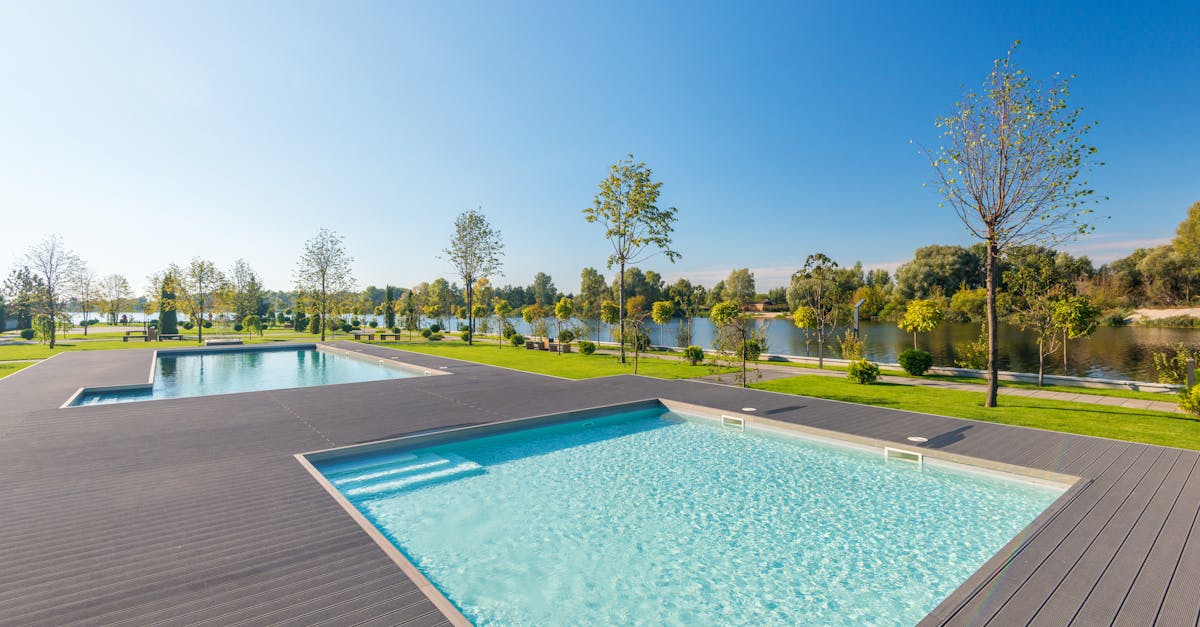
Travertine is widely recognized as the gold standard for areas surrounding water features, primarily due to its unique porosity. It remains remarkably cool to the touch even under direct midday sun, providing a comfortable surface for bare feet. This thermal regulation makes it the most logical selection for fire pits located on pool decks or near coastal docks.
The natural beauty of travertine lies in its earthy, Mediterranean palette, which lightens the appearance of a heavy fire pit structure. Because these pavers are inherently porous, they effectively drain moisture, preventing slick surfaces during sudden rains. Always ensure the pavers are installed on a proper sub-base to prevent cracking during freeze-thaw cycles in harsher climates.
If the fire pit design centers on a resort-style backyard, travertine is the undisputed winner. It bridges the gap between luxury pool design and functional fire safety with unmatched elegance. It is not recommended for environments prone to heavy staining, as the natural pits in the stone can trap debris if not properly filled during installation.
Fieldstone: The Ultimate Rustic, Natural Look
Fieldstone captures the untamed essence of a mountain shoreline or a dense forest floor. These stones are gathered rather than manufactured, resulting in an organic, irregular shape that creates a highly textural perimeter. Each piece is a unique specimen, lending an authentic, artisan quality to the fire pit area.
Working with fieldstone requires a higher level of installation skill, as the irregular shapes demand careful placement to ensure a level, stable surface. The gaps between these stones are often filled with mortar or decorative gravel, which enhances the rustic charm. This material choice is best suited for fire pits nestled into naturalized landscapes rather than formal, geometric patios.
Select fieldstone if the objective is to create a space that feels like an extension of the surrounding wilderness. It is an excellent choice for a rugged, timeless aesthetic that matures beautifully with age. Those who prefer clean, sharp lines and minimal installation effort should consider pre-cut manufactured alternatives instead.
Clay Brick Pavers: Timeless and Fire-Resistant
Clay brick is a tried-and-true material that has stood the test of time for fire-related applications. Its chemical composition makes it naturally heat-resistant, meaning it can handle the intense proximity of a wood-burning fire without cracking or discoloring. The warm, nostalgic aesthetic of red clay provides a classic look that fits virtually any residential setting.
Beyond its performance, brick offers excellent versatility in pattern design, from herringbone to basket-weave layouts. This allows for personalization without sacrificing structural integrity. Because brick is smaller than large stone slabs, it is also easier to manage for intricate circular fire pit perimeters.
Clay brick is the ideal choice for those who want a reliable, cost-effective solution with a classic architectural appeal. It excels in environments where simplicity and proven performance are the top priorities. If a sleek, contemporary, or monochromatic look is desired, the traditional warmth of clay may not align with the vision.
Belgard Weston Stone: Best All-in-One Kit
For those who value efficiency and precision, Belgard Weston Stone provides an engineered, modular solution that eliminates the guesswork. These kits are specifically designed for fire pits, featuring stones that fit together with mechanical precision. The result is a clean, professional finish that requires no stone cutting or complex masonry skills.
These pavers are manufactured for consistent quality, ensuring that every edge aligns perfectly and the heat-resistant concrete remains durable. They offer the look of natural stacked stone with the reliability of a modern, manufactured product. This makes them a favorite for homeowners who want a high-end outcome without the variable nature of natural materials.
Opt for these kits if the primary goal is a swift, reliable installation that looks like the work of a professional mason. It is the most stress-free option for those who want to ensure the fire pit is structurally sound from day one. Enthusiasts of raw, unrefined, or recycled materials will likely find the engineered uniformity of these kits too sterile for their tastes.
Flagstone Pavers: Top Pick for Irregular Designs
Flagstone is defined by its wide, flat surface and earthy color variations, ranging from deep rust to soft tan. It is frequently chosen for circular or curved fire pit perimeters because the natural edges can be easily manipulated to fit non-linear shapes. The resulting look is fluid and organic, making it a perfect transition element in a garden design.
Unlike uniform bricks, flagstone creates an interplay of light and shadow, highlighting the natural fissures of the earth. When installing, it is vital to select stones of a consistent thickness to prevent tripping hazards. Once properly laid on a bed of crushed stone, flagstone provides a robust, heavy-duty perimeter that is virtually indestructible.
Flagstone is the superior choice for custom-shaped fire pits that prioritize artistic, free-form geometry. It offers a premium look that feels bespoke and deeply rooted in the landscape. Avoid this material if the goal is a low-budget project, as the labor required to fit the stones properly reflects in both time and cost.
Choosing Pavers: Style, Safety, and Climate
Selecting the right material requires balancing visual appeal with physical reality. In cold climates, choose pavers with low water absorption rates to prevent frost damage, which can cause stones to heave or crack over time. In hot, dry climates, focus on surface temperature to ensure the perimeter remains comfortable for those seated nearby.
- Heat Resistance: Always verify the material can withstand direct heat exposure without fracturing.
- Permeability: Consider how water drains around the fire pit to prevent puddling.
- Texture: Prioritize slip-resistant surfaces if the fire pit is located near a pool or lakefront.
Do not overlook the base material beneath the pavers, as it is the foundation of long-term success. A properly compacted layer of crushed stone and sand is mandatory for drainage and stability, regardless of which stone you select. A beautiful paver selection is only as good as the ground it sits upon.
Fire Pit Safety: What Makes a Stone Fire-Safe?
True fire safety revolves around the material’s ability to endure high, direct heat without combusting or exploding. While most stone is non-combustible, some porous rocks can trap moisture, which turns to steam when heated and causes the stone to shatter. Always look for fire-rated masonry or dense natural stones that lack internal trapped moisture.
Maintain a minimum clearance of at least 36 to 48 inches between the fire and any combustible landscape elements. Even when using fire-safe stone, the intense heat can damage nearby wooden decking or synthetic materials. Positioning the fire pit on a wide perimeter of stone or concrete provides the necessary buffer zone to protect both the surrounding structures and the users.
Avoid using stones taken directly from a riverbed, as these are notoriously high in moisture and prone to cracking under heat. Stick to materials explicitly marketed for masonry or patio construction to guarantee safety. When in doubt, incorporate a metal fire ring insert to act as an additional heat barrier between the flame and the stone.
DIY Installation Tips for Your Paver Perimeter
A successful installation starts with a thorough excavation, typically reaching 6 to 8 inches deep to accommodate both the base and the stones. Compacting the sub-base is the most critical step in the process; skip this, and the perimeter will shift and become uneven within a single season. Using a plate compactor ensures that the foundation is rock-solid and level.
When laying the stones, use a rubber mallet to tap them into the sand bed, ensuring a snug, flush fit. If using irregular stones, lay them out in a dry run to check the aesthetic before locking them into place. A consistent, tight fit reduces the risk of weeds emerging between the pavers later on.
Once the stones are set, sweep polymeric sand into the joints. This specialized sand hardens when exposed to water, locking the pavers together and preventing movement or vegetation growth. This simple final step significantly extends the life and clean appearance of the fire pit perimeter.
Maintaining Your Fire Pit Pavers for Longevity
Regular cleaning is the most effective way to prevent permanent staining from ash, soot, or spilled food. A simple stiff-bristled brush and a mild soap-and-water solution will clear away most surface debris. For tougher soot spots, avoid harsh chemicals that might etch the stone and instead use a specialized masonry cleaner.
If the pavers are porous, such as sandstone or certain fieldstones, consider applying a high-quality masonry sealer once every two to three years. This prevents grease and liquid from penetrating the stone, making subsequent cleanings much easier. Check the mortar or sand joints annually to ensure no sections have washed away, and refill as necessary.
By addressing small shifts or stains immediately, the fire pit remains a pristine focal point. A proactive maintenance schedule protects the initial investment and keeps the space inviting for every season. Consistent care is the difference between a project that degrades over time and one that gains character with age.
Selecting the right fire pit perimeter is a foundational step in crafting a space that serves as both a functional retreat and a visual landmark for your home. By matching the durability of the material with your local climate and design preferences, you ensure a safe and long-lasting outdoor experience. With the right foundation and a bit of upkeep, the fire pit becomes the heartbeat of your property, providing warmth and comfort throughout the seasons.