
6 Best Solar Powered Accent Lights For Patio Walkways
Illuminate your outdoor space with our top 6 picks for the best solar powered accent lights for patio walkways. Shop our expert guide to brighten your path today.
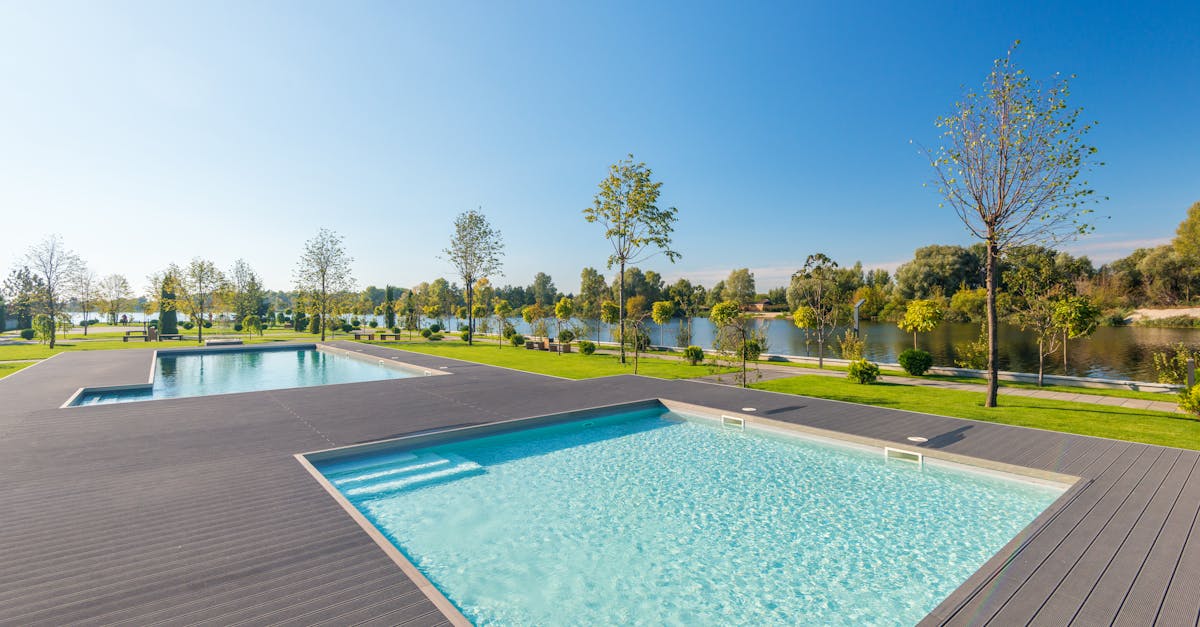
Walking back to the patio after a sunset swim or a late-night lakeside gathering requires a clear, safe path to avoid unexpected trips or stumbles. Solar-powered accent lights transform these dark corridors into inviting, illuminated transitions that define the perimeter of any aquatic or garden space. Choosing the right set ensures reliable visibility without the need for complex wiring or high energy bills.
Disclosure: As an Amazon Associate, this site earns from qualifying purchases. Thank you!
Ring Solar Pathlight: Best Smart Home Integration
The Ring Solar Pathlight serves as the definitive choice for those already invested in a connected home ecosystem. By syncing seamlessly with a Ring Bridge, these lights provide automated scheduling and remote brightness adjustments that traditional solar options simply cannot match. It functions as part of a larger security perimeter, triggering motion alerts that double as a safety feature for dark yard corners.
This model performs best for users who prioritize convenience and integration over cost. While the upfront investment is higher than standard landscape lighting, the ability to link lights together ensures that when one detects motion, the entire pathway illuminates. If the goal is a cohesive smart security setup, this remains the gold standard.
GIGALUMI Solar Pathway Lights: Top Budget-Friendly Pick
For expansive walkways or long garden borders where quantity matters more than high-tech features, GIGALUMI lights provide an efficient, low-cost solution. These units rely on a straightforward design that focuses on consistent, ambient illumination rather than specialized functionality. They are effectively “set and forget” devices, making them ideal for covering large distances without breaking the budget.
These lights are best suited for mild climates where harsh, extreme weather is not a regular concern. Because of their lightweight construction, they offer great value for seasonal use or temporary decorative layouts. If the priority is achieving a warm, welcoming look on a modest budget, these lights are the clear choice.
Hampton Bay Solar LED Path Light: Most Durable Build
When the walkway borders a busy pool deck or a high-traffic lakefront access point, durability becomes the primary requirement. Hampton Bay LED Path Lights feature robust metal housings and reinforced stakes that withstand the bumps, kicks, and moisture inherent in active outdoor spaces. These lights prioritize longevity, resisting rust and corrosion even when exposed to splashing water or coastal humidity.
Investing in these lights makes sense for those tired of replacing fragile plastic fixtures every season. While they command a premium price, the build quality provides peace of mind in high-traffic zones. If the environment is unforgiving or the traffic is heavy, this is the most reliable hardware option available.
Beau Jardin Solar Lights: Best for Decorative Patterns
The Beau Jardin series leans into the aesthetic side of landscape design by casting intricate, flower-shaped patterns onto the ground. These lights serve as both a safety guide and a decorative centerpiece, elevating the visual appeal of a patio path. They are designed for homeowners who view their garden as an extension of the living space and want the lighting to act as a design element.
These lights work best in areas with flat, even surfaces where the pattern can fully project without distortion. They provide adequate visibility for navigation while prioritizing mood lighting. For those looking to add a touch of personality and artistic flair to their walkways, this choice is unmatched.
URPOWER Solar Lights: Brightest Illumination Option
For walkways that serve as essential transit routes between a house and a dock or pool, brightness is the most critical safety factor. URPOWER lights are engineered to provide a significantly higher lumen output than decorative alternatives, ensuring the path is clearly visible even on the darkest nights. Their focused beam makes them far more effective for hazard avoidance than ambient glow lights.
Choosing these lights indicates a preference for safety and utility over decorative aesthetics. They are highly functional tools for anyone navigating dark outdoor areas during early morning or late evening hours. If the primary concern is preventing slips and ensuring a well-lit path, these are the essential choice.
Sunnest Solar Outdoor Lights: Easiest Installation
Sunnest lights prioritize a stress-free setup process, requiring no tools or technical knowledge for assembly. The modular design allows for near-instant deployment, making them perfect for those who want immediate results without spending an afternoon digging or wiring. They function as a modular system, allowing for quick adjustments as landscape layouts evolve.
These lights are ideal for renters or homeowners who prefer a non-permanent lighting solution. While they may not offer the heavy-duty weather resistance of more expensive metal fixtures, their simplicity makes them accessible to everyone. If the goal is a quick, frustration-free way to brighten a space, this is the most efficient path.
Choosing Solar Lights: What Really Matters Most?
When selecting solar lighting, the most common error involves focusing solely on the light head while ignoring the battery capacity and panel efficiency. A high-quality solar panel is useless if the internal battery cannot hold a charge through a full night, especially in regions with shorter daylight hours. Look for lights that specify “lithium-ion” or “NiMH” batteries for better reliability in varying temperatures.
Consider the following factors before finalizing a purchase: * IP Rating: An IP65 or higher rating is essential for water resistance near pools or rainy climates. * Lumens: Higher lumens provide better safety, while lower lumens are better for subtle ambiance. * Material: Aluminum or high-grade stainless steel offers better longevity than standard ABS plastic. * Panel Position: Ensure the solar panel can be tilted or is positioned to receive direct, unobstructed sunlight.
Best Placement for Your Solar Walkway Lights
Placement should always follow the natural flow of human traffic, keeping a consistent distance between fixtures to prevent dark gaps. A good rule of thumb is to stagger lights on alternating sides of the path to create a balanced, safe corridor of light. Placing them too close to large shrubs or dense foliage can inadvertently block the light beam and create shadows, which may hide potential hazards.
Always prioritize areas where the ground changes elevation, such as steps or transitions from pavers to grass. Avoid placing lights directly in the splash zone of irrigation systems or pool drains, as constant exposure to minerals and chlorine can degrade even high-quality finishes over time. Proper placement is as much about functionality as it is about aesthetic symmetry.
Keeping Your Solar Lights Bright: Simple Maintenance
Solar lights are low-maintenance, not maintenance-free. Over time, the clear plastic or glass covering the solar panel accumulates dust, pollen, and debris, which significantly reduces the unit’s ability to charge. A quick wipe with a damp cloth every few weeks during peak seasons ensures the panel remains exposed to the maximum amount of UV rays.
Additionally, pay attention to the battery life. Even the best rechargeable batteries will eventually lose their capacity to hold a charge after several years. Replacing these batteries is often a simple, inexpensive way to revive “failing” lights without purchasing an entirely new set. Keeping the area around the base clear of tall grass and weeds also prevents the unit from being accidentally damaged during routine lawn maintenance.
Do Solar Lights Work in Winter? What to Expect
Solar lights face a significant performance dip during winter, primarily due to shorter daylight duration and lower sun angles. While the lights will still function, the shorter charging window inevitably leads to a shorter runtime after dark. If the lights are covered by snow or frost, the charging process stops entirely, which is a common occurrence in colder climates.
To manage expectations, accept that the lights will dim faster during the mid-winter months. In regions with persistent snow cover, it is often best to move the lights to a storage area until spring to protect the integrity of the housing and battery. If year-round illumination is required in a snowy environment, consider pairing solar units with low-voltage wired lighting or ensuring the solar panels are kept manually clear of snow.
Proper solar lighting provides the perfect balance of safety and ambiance for any outdoor environment. By understanding the specific strengths and limitations of different models, you can create a reliable, long-lasting path that enhances the enjoyment of your outdoor space through every season.

