6 Best Anti-Blister Tapes For Long Training Sessions
Stop foot pain in its tracks. Discover the 6 best anti-blister tapes for long training sessions and keep your feet protected on every run. Shop our top picks now.
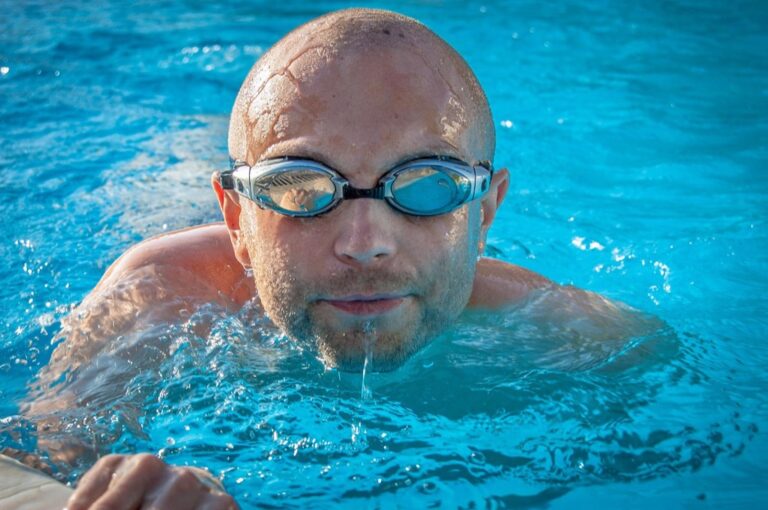
Blisters turn a rewarding long-distance swim or a grueling training session into an exercise in pure misery. When skin integrity fails, the focus shifts immediately from performance to pain management. Equipping yourself with the right protective gear ensures that friction remains a minor inconvenience rather than a session-ending injury.
Disclosure: As an Amazon Associate, this site earns from qualifying purchases. Thank you!
KT Tape Pro Extreme: Best for High-Friction Areas
This synthetic-fiber tape is specifically engineered for high-intensity environments where moisture and movement are constant threats. Its advanced adhesive is designed to stay bonded through heavy perspiration and prolonged water submersion, making it a favorite for endurance athletes.
Choose this product if your training involves repetitive, high-friction movements that typically cause skin breakdown within the first hour. It provides a lightweight, flexible shield that moves with the body, ensuring the tape doesn’t bunch up or peel away when wet.
The fabric is breathable, allowing skin to maintain its condition during multi-hour sessions. For those who need a low-profile barrier that feels like a second skin, KT Tape Pro Extreme is the clear frontrunner.
Leukotape P: The Ultimate in Blister Prevention
Leukotape P is widely regarded as the gold standard for robust, non-elastic protection. It is a rigid, zinc-oxide adhesive tape that locks down sensitive skin areas and prevents any sliding or friction at the source.
When anticipating extreme conditions—such as a long open-water swim where constant kicking or rubbing occurs—this is the gear to use. Because it is rigid, it doesn’t stretch or move, effectively creating a permanent armor over prone areas until removed.
Be aware that the adhesive is extremely strong and requires a light layer of under-wrap if the skin is particularly sensitive. If the goal is absolute, fail-proof prevention, Leukotape P is the superior choice.
RockTape H2O: Designed Specifically for Water
As the name implies, RockTape H2O features a specialized, extra-sticky adhesive formulated to handle the rigors of aquatic environments. It excels where other tapes fail—maintaining a tight bond despite chlorine exposure or saltwater immersion.
This tape is ideal for athletes who alternate between long swims and gym training. Its elasticity mirrors the skin’s own stretch, providing support without restricting range of motion during complex movements.
While it is excellent for joint support, its primary strength lies in its ability to withstand constant dampness. If training sessions regularly exceed two hours in the water, RockTape H2O offers the longevity required for continuous protection.
2nd Skin Blister Pads: Best for Existing Blisters
Unlike adhesive tapes designed for prevention, 2nd Skin pads act as a cooling, gel-based barrier that mimics the properties of real skin. They are essential for managing an active “hot spot” or an already formed blister during a workout.
These pads provide instant relief by cushioning the affected area and protecting it from further mechanical pressure. Because they contain no adhesive on the gel surface, they won’t stick to the wound, making them comfortable to wear inside a boot or against a suit.
Always secure these pads with an additional layer of medical tape or cohesive wrap to keep them in place. They are the most effective way to salvage a training session once skin damage has already begun.
Mueller Moleskin Plus: A Classic, Dependable Pick
Moleskin remains a staple in any serious athlete’s kit because of its simplicity and effectiveness. This thick, adhesive-backed fabric provides a soft, padded buffer that physically separates the skin from the source of friction.
It is particularly useful for protecting bony prominences that are prone to abrasion from fins or footwear. The material is durable, breathable, and easily cut to custom shapes, allowing for tailored coverage on heels, toes, or ankles.
While it may not handle full water submersion as well as synthetic tapes, its reliability on dry land or in minimally wet conditions is unmatched. For athletes who prefer a soft, forgiving texture over rigid tape, Moleskin Plus is the definitive classic.
Nexcare Absolute Waterproof Tape: Budget-Friendly
When looking for a reliable, widely available option that doesn’t sacrifice performance, Nexcare Absolute Waterproof Tape stands out. It is thin, incredibly stretchy, and features a seal that locks out water effectively for the duration of a typical session.
This tape is perfect for those who need a “set it and forget it” solution for minor trouble spots. Its soft fabric backing is gentle on the skin, and it is significantly easier to remove than heavy-duty athletic tapes.
It is best suited for shorter training sessions or as a base layer under more restrictive gear. If you are looking for an accessible, effective product that won’t irritate the skin during regular use, this is a smart addition to any kit.
How to Apply Tape Correctly for a Waterproof Seal
- Prep the area: Ensure the skin is completely clean, dry, and free of oils or lotions before applying any tape.
- Remove hair: For better adhesion and painless removal, shave or trim hair in the area prone to blisters.
- Round the corners: Use scissors to round the edges of your tape strips, as sharp corners tend to catch on gear and peel prematurely.
- Apply tension carefully: Avoid stretching the tape too tightly during application, which can cause skin bunching, but ensure there are no wrinkles.
- Warm the bond: After applying, rub the tape firmly with your palm to activate the heat-sensitive adhesive, creating a tighter seal against the skin.
What to Look For in an Anti-Blister Swim Tape
- Adhesive Strength: Look for “waterproof” or “heavy-duty” ratings to ensure the tape doesn’t turn into a gummy mess when submerged.
- Breathability: The tape should allow moisture to escape, preventing the skin from becoming macerated, or “soggy,” which makes it more susceptible to tearing.
- Elasticity: The level of stretch should match the body part—more stretch is needed for joints, while less is better for protecting stationary bony areas.
- Thinness: Excessive bulk can cause pressure points inside tight-fitting swim shoes or equipment, creating new blisters rather than preventing them.
Tape vs. Moleskin vs. Pads: Which Is for You?
Choosing between these options depends on the state of your skin and the nature of the activity. Tape is generally best for prevention, as it locks onto the skin to stop friction before it starts.
Moleskin is superior for added cushioning over specific bones where pressure is the main issue. Pads are strictly for remediation, serving as a protective shield for skin that has already been compromised or blistered.
Consider carrying a combination kit: tape for the start of the session, and pads for emergency repairs. Being prepared for different stages of skin irritation is the key to maintaining a consistent training schedule.
Safe Removal Tips to Protect Your Skin Post-Swim
- Use oil: Apply baby oil, olive oil, or a dedicated adhesive remover to the edges of the tape to break down the bond safely.
- Work slowly: Peel the tape back toward the center of the application, keeping it parallel to the skin rather than pulling upward.
- Soak if needed: If the tape is particularly stubborn, soaking in warm water can help soften the adhesive further.
- Hydrate: Always moisturize the skin after removal, as even high-quality tapes can strip away natural surface oils during long-duration use.
Selecting the right anti-blister tape is a personal process that rewards those who take the time to test which materials work best with their unique skin type and equipment. By prioritizing preparation and proper application techniques, you can eliminate the distraction of pain and focus entirely on your performance. Keep these tools in your gear bag, and you will find that even the most rigorous training sessions become significantly more manageable.