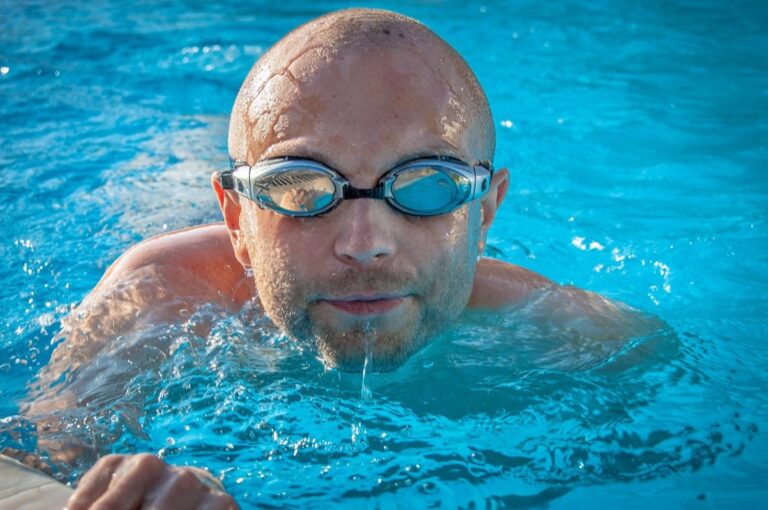
6 Best Hydration Salts For Maintaining Stamina In The Pool
Boost your performance with the 6 best hydration salts for maintaining stamina in the pool. Read our expert guide and choose your perfect electrolyte mix today.
Swimming laps often feels like a refreshing escape, yet the body loses significant fluids even while submerged in cool water. Many swimmers mistake the lack of visible sweat for a lack of exertion, leading to quiet but dangerous dehydration. Selecting the right electrolyte support ensures that stamina remains high from the first length to the final cool-down.
Disclosure: As an Amazon Associate, this site earns from qualifying purchases. Thank you!
Liquid I.V. Hydration Multiplier: Best Overall
Liquid I.V. utilizes Cellular Transport Technology (CTT) to deliver water and nutrients into the bloodstream faster than plain water alone. This formulation relies on an precise ratio of sodium, glucose, and potassium to trigger rapid absorption. It acts as a reliable baseline for the average pool swimmer who needs a balance of energy and hydration.
The high sugar content makes it an excellent choice for those tackling morning sessions on an empty stomach. It provides the necessary quick-burning fuel to prevent that mid-workout wall. If the goal is a comprehensive, all-in-one packet that tastes familiar and works immediately, this remains the gold standard.
However, swimmers monitoring calorie intake should note the carbohydrate count. It is not designed for low-carb lifestyles but excels for those requiring a metabolic boost during strenuous intervals. Stick with this option for moderate to high-intensity training sessions where glycogen replenishment matters as much as hydration.
Skratch Labs Sport Mix: Best for Long Swims
Skratch Labs prioritizes a clean profile by using real fruit for flavor and omitting excessive artificial additives. The electrolyte profile is designed to mimic the actual composition of sweat, ensuring the body replaces exactly what is lost. This makes it a preferred choice for long-distance swimmers who spend hours in the water.
Because the mix is less sweet than many competitors, it avoids the “flavor fatigue” that often occurs during extended endurance sets. Swimmers who find traditional sport drinks sickly sweet will appreciate the subtle, natural profile. It stays light on the stomach, preventing the sluggish feeling that can ruin a long swim.
Choose Skratch Labs if the training blocks exceed 60 minutes and require sustained, steady output. It represents a more sophisticated approach to fluid replacement. For the endurance-focused athlete, this product provides the most consistent, reliable performance over time.
Nuun Sport Tablets: Most Convenient Option
Nuun Sport tablets redefine convenience by allowing for easy, mess-free dosing directly into a water bottle on the pool deck. The effervescent nature of the tablet ensures quick dissolution, even in cold water. It delivers a solid blend of electrolytes without any sugar, making it ideal for shorter or lower-intensity swims.
The design is compact and lightweight, fitting easily into a swim bag pocket or locker. This accessibility encourages consistency, as there are no bulky canisters to haul around. If the primary need is basic electrolyte replenishment without the extra caloric load, these tablets are nearly impossible to beat.
While they lack the carbohydrate-based energy boost of other options, they are perfect for casual laps or warm-weather recovery. Opt for Nuun if the objective is simple hydration and ease of use. It is a no-nonsense tool that keeps the chemistry balanced without complicating the nutrition plan.
LMNT Recharge: Best Salt-Forward Formula
LMNT is formulated for those who lose significant salt through sweat or who follow specific dietary protocols like keto or low-carb. It contains a high concentration of sodium, magnesium, and potassium, stripped of all fillers, sugars, and coloring. This is an aggressive hydration strategy for the heavy sweater.
For swimmers who experience muscle cramping or salt-crust on their goggles after a set, LMNT is often the missing piece. It addresses the electrolyte deficit directly without unnecessary carbohydrates. The bold, salty flavor profile is distinct, signaling to the body that it is receiving serious recovery support.
This is a specialized product that is not intended for the casual dipper. It is best suited for high-intensity athletes who understand their specific sweat-loss profile. If current hydration methods still leave you feeling fatigued or cramped, this potent, salt-forward mix is the necessary intervention.
Precision Hydration 1500: For Elite Swimmers
Precision Hydration moves beyond guessing games by offering different concentrations based on actual sweat testing data. The 1500 variant is designed for athletes with high sodium needs who train in challenging conditions. It ensures the body maintains blood volume and nerve function during maximal exertion.
This product is crafted for the elite swimmer who treats their body like a high-performance machine. It bridges the gap between generic sports nutrition and customized sports science. When the stakes of the competition or training block are high, the reliability of this formulation provides a distinct edge.
Use this if standard electrolyte mixes have failed to resolve dehydration symptoms like headaches or lethargy. It is the most professional-grade option on the market for those who track their metrics closely. For the serious competitor, Precision Hydration is an essential investment in peak output.
GU Hydration Tabs: Best Budget-Friendly Pick
GU Hydration Tabs offer a balanced, effective electrolyte solution at a price point that makes daily use sustainable. They provide the essential minerals required to maintain fluid balance without breaking the bank. The tablets are straightforward, reliable, and provide a light, refreshing taste that does not interfere with the swim.
These are an excellent entry-level choice for swimmers transitioning from plain water to a structured hydration routine. They offer enough benefit to notice a difference in recovery time without requiring a deep dive into nutritional science. It is the practical choice for consistent, everyday training.
If you are looking for a reliable, cost-effective way to improve hydration habits, these tabs are the answer. They perform their function well without unnecessary bells and whistles. For the swimmer who trains often and wants to keep costs down while staying hydrated, GU is the logical pick.
Why Pool Swimmers Get Dehydrated (Yes, Really)
The aquatic environment creates a deceptive sensation regarding fluid loss. Because the body is submerged in cool water, the skin temperature remains low, masking the cooling effect of natural perspiration. The body is still sweating to regulate internal core temperature, but the water quickly evaporates or dissolves the sweat before it can be felt.
Furthermore, the high humidity surrounding indoor pools prevents the typical evaporation of sweat, causing it to build up unnoticed. Swimmers often work for extended periods without feeling the standard signs of thirst that occur on land. By the time a swimmer actually feels thirsty in the pool, they are already significantly behind on their hydration requirements.
Breathing dry air in indoor pool environments also accelerates fluid loss through respiration. Every heavy breath taken during intense sets pulls moisture from the lungs and respiratory tract. This “invisible” loss is a leading cause of performance degradation in long-term swimming regimens.
Key Electrolytes for Peak Swimming Performance
Sodium serves as the primary regulator of fluid balance, helping the body retain the water consumed during training. Without adequate sodium, excess water passes through the system too quickly, leading to frequent urination rather than cellular hydration. It is the most vital mineral for any athlete working in a warm or humid environment.
Potassium and magnesium act in tandem to support muscular function and prevent the spasms often felt after long endurance sets. Potassium assists in nerve signaling, ensuring that muscles receive the command to contract effectively. Magnesium helps the muscles relax after the strain of a stroke, preventing the lingering tension that can lead to soreness.
These minerals must work together to maintain osmotic balance within the cells. A shortage of one often compromises the efficacy of the others. A balanced electrolyte profile ensures that the nervous system remains sharp, which is critical for maintaining proper swim technique when fatigue begins to set in.
Your Pre-, During-, and Post-Swim Hydration Plan
A robust hydration strategy begins at least 60 minutes before hitting the water. Consume 16 to 20 ounces of fluid containing electrolytes to prime the system for the upcoming intensity. Arriving at the pool already hydrated is far more effective than trying to catch up once the training has begun.
During the swim, sip small amounts every 15 to 20 minutes rather than chugging a large volume at once. This constant, rhythmic intake keeps the blood volume stable and prevents stomach sloshing. Keep the bottle right on the pool deck to ensure easy access during rest intervals at the wall.
Post-swim recovery requires replacing the fluids and salts lost during the session. Aim to consume an amount equivalent to the weight lost during the swim, ideally paired with a small amount of protein. This ensures that the recovery process begins immediately, setting the foundation for the next workout.
Are Sugar-Free Electrolyte Mixes Right for You?
Sugar-free electrolyte mixes appeal to those focusing on metabolic efficiency or caloric restriction. These products rely on sodium and minerals alone, omitting the glucose-based energy source. They are perfectly adequate for shorter, lower-intensity swims where glycogen depletion is not a primary concern.
However, endurance swimmers must be cautious with sugar-free options during long sessions. Glucose is a necessary fuel for the brain and muscles; without it, performance may drop even if the muscles are physically hydrated. If the swim lasts longer than an hour, the body will likely need a carbohydrate source alongside its electrolytes.
Evaluate the specific goals of the training block before choosing a formula. If the workout is recovery-based or focused on fat adaptation, sugar-free is an excellent tool. If the goal is maximum speed, endurance, or competition, ensure that carbohydrate needs are met either through the electrolyte mix or another source.
Maintaining hydration is not just about drinking water; it is about managing the complex chemistry that powers every stroke and turn. By selecting the electrolyte mix that aligns with your specific intensity and distance, you can eliminate preventable fatigue and maximize every moment spent in the water. Consistency in your hydration habits will ultimately pay dividends in both your training performance and long-term recovery.