
6 Best Wireless Transmitters For Multi Room Outdoor Audio
Transform your backyard with our top 6 picks for the best wireless transmitters for multi room outdoor audio. Explore our expert reviews and shop your setup today.
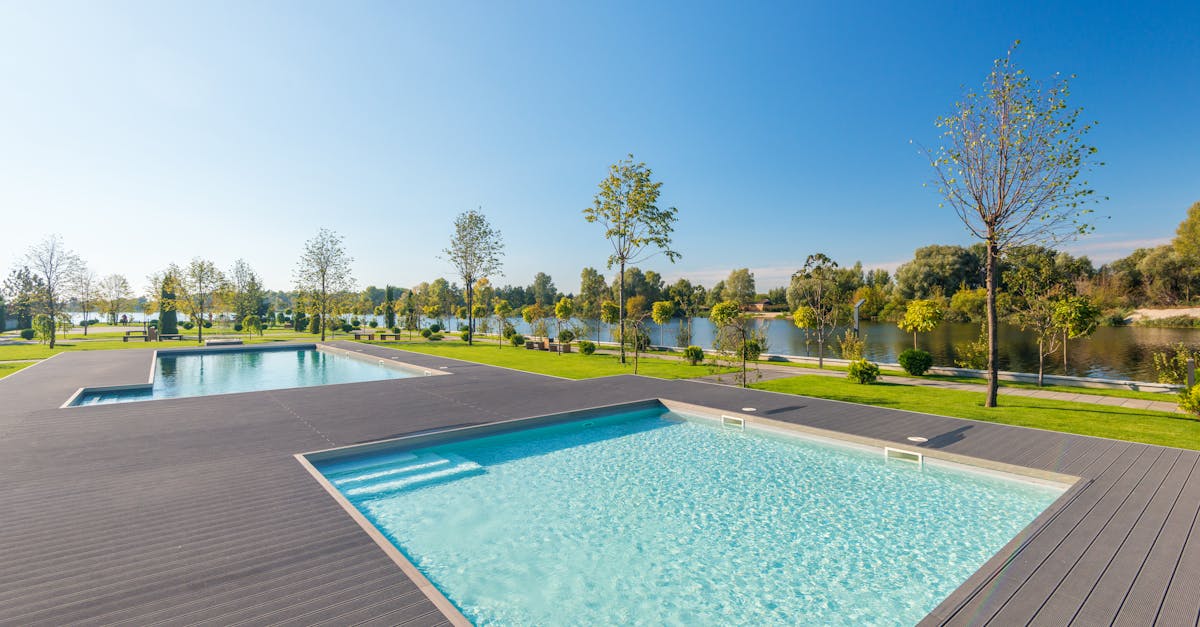
Transforming a poolside patio or lakeside deck into a seamless sonic retreat requires more than just high-quality speakers. A reliable wireless transmitter acts as the heartbeat of an outdoor audio setup, bridging the gap between indoor media players and exposed backyard environments. Selecting the right hardware ensures that music flows uninterrupted, regardless of the humidity or the distance from the home.
Disclosure: As an Amazon Associate, this site earns from qualifying purchases. Thank you!
Sonos Port: Best for Overall System Integration
The Sonos Port stands as the gold standard for those already invested in the Sonos ecosystem. It transforms any existing stereo receiver or powered speaker into a fully functional Sonos zone, allowing for effortless synchronization with other indoor speakers. The brilliance lies in its software stability, which remains unmatched when managing multi-room audio zones across a large property.
Expect the highest level of reliability when streaming services like Spotify, Tidal, or local high-resolution files. Because it utilizes a robust mesh network rather than simple Bluetooth, it avoids the common pitfalls of signal drops near pool equipment or dense landscaping. If an integrated, “set-it-and-forget-it” system is the goal, the Sonos Port is the definitive choice.
OSD Audio WRSK250: Best for Dedicated Outdoor Zones
For those managing specific, isolated outdoor zones—like a gazebo or a fire pit area—the OSD Audio WRSK250 offers a targeted solution. This wireless transmitter/receiver kit is designed to eliminate long, unsightly wire runs through the yard. It excels in environments where running permanent cables across decks or through gardens is either impractical or risky.
The WRSK250 is particularly effective because it operates on a dedicated 2.4GHz frequency designed to penetrate walls and outdoor obstacles. It serves as a bridge for passive outdoor speakers, provided they are connected to an external amplifier. Choose this system when the priority is a clean, cable-free aesthetic in a specific, contained backyard area.
Avantree Oasis Plus: Best for Long-Range Bluetooth
Standard Bluetooth often struggles once the distance exceeds thirty feet, especially when glass doors or metal pool railings act as signal barriers. The Avantree Oasis Plus addresses this limitation by incorporating Class 1 Bluetooth technology and high-gain antennas. It provides a significantly extended range, making it a reliable choice for larger patios where the audio source remains indoors.
Beyond range, it features bypass mode, which allows for simultaneous wireless streaming and wired speaker connections. This flexibility is ideal for users who want to switch between indoor and outdoor audio without unplugging cables. If a user needs a long-range, versatile Bluetooth transmitter that doesn’t require a complex Wi-Fi setup, this is a top-tier recommendation.
Audioengine W3: The Easiest Plug-and-Play Option
The Audioengine W3 is the quintessential solution for anyone intimidated by network settings and app-based configurations. It functions much like a wireless version of a standard RCA cable, transmitting high-quality audio from any device with an output jack. Its simplicity makes it perfect for temporary setups or quick, impromptu gatherings by the pool.
While it lacks the sophisticated multi-room management of a Sonos system, it delivers clean, interference-free sound with zero latency. It is exceptionally portable, allowing for rapid deployment from the porch to the dock. For users who prefer a straightforward, analog-to-wireless connection without the need for Wi-Fi, the W3 is the most efficient path forward.
Bluesound NODE: Top Pick for Hi-Fi Audiophiles
When the quality of the signal matters more than anything else, the Bluesound NODE provides a high-resolution streaming experience that satisfies even the most demanding ears. It supports MQA and high-bitrate streaming formats, ensuring that the nuances of a recording are preserved even when sent wirelessly to an outdoor amplifier. This device is intended for serious audio setups that serve as the focal point of an outdoor entertainment space.
Beyond audio fidelity, the BlueOS platform is exceptionally powerful, rivaling the best smart-home ecosystems. It integrates seamlessly with existing home automation, providing a level of control that feels sophisticated and professional. Invest in the Bluesound NODE if the outdoor audio system is an extension of a high-end indoor hi-fi rack.
SVS SoundPath Adapter: Best for Adding a Subwoofer
Outdoor audio often lacks the low-end impact necessary to counteract the wide-open space of a backyard or lakefront. The SVS SoundPath Wireless Audio Adapter is purpose-built to solve this, specifically for connecting a powered subwoofer wirelessly. By placing the subwoofer in an optimal corner or under a covered deck area, the listener can achieve a balanced, full-range sound profile without burying cables in the ground.
It is a specialized piece of equipment designed to be perfectly synced with the main speakers, preventing the “muddy” sound caused by timing delays. This adapter is a must-have for any outdoor system that feels thin or lacks presence. It is a highly focused tool that does one job exceptionally well.
Choosing a Transmitter: Wi-Fi vs. Bluetooth
The choice between Wi-Fi and Bluetooth comes down to the scale and permanence of the outdoor installation. Wi-Fi systems, such as Sonos or Bluesound, offer superior range and the ability to sync audio across multiple rooms or outdoor zones simultaneously. They rely on the home network, which means they are best suited for permanent, high-quality audio installations where stability is paramount.
Bluetooth systems are far more portable and easier to deploy, but they are limited by range and the physical presence of the transmitter device. Bluetooth is ideal for smaller, seasonal setups where a user might want to move the speakers or use different devices as sources. Consider the frequency of use and the physical layout of the yard before committing to a protocol.
How to Maximize Your Wireless Audio Signal Range
Wireless signals are easily degraded by physical obstructions like stone walls, brick facades, and large water features. To maximize range, position the transmitter as close to the outdoor space as possible, ideally keeping it near a window or door. Elevating the transmitter on a shelf can also improve signal propagation by reducing interference from nearby electronic appliances.
If the range remains insufficient, consider using a Wi-Fi range extender or a dedicated mesh node located near the transition point between indoor and outdoor areas. Avoid placing transmitters inside closed cabinets, as metal and wood act as significant signal dampers. Proper placement is often the difference between a system that skips and one that plays flawlessly.
Tips for Weatherproofing Your Outdoor Audio Gear
Even “weatherproof” electronics benefit from an extra layer of protection against the elements, especially near moisture-heavy areas like pools or lakes. Never expose wireless transmitters directly to rain, salt spray, or sprinkler systems. Utilize protective, ventilated enclosures or place the transmitter inside a nearby shed or porch closet to shield it from harsh UV rays and humidity.
Cable management is just as important as device placement for weatherproofing. Use silicone sealant on any outdoor electrical connections to prevent oxidation from creeping into the ports. Regularly inspect the outdoor areas for signs of corrosion or pest intrusion, as small bugs are frequently attracted to the warmth of electronic components.
Key Factors for Your Outdoor Audio Buying Guide
When selecting your system, prioritize compatibility with your existing devices over the number of features offered. Determine if your goal is a single-zone experience or a multi-zone system that follows you from the kitchen to the pool deck. Always calculate the maximum distance between your source and your speakers, and ensure the chosen technology supports that span.
Finally, consider the ease of use for other guests or family members who may want to play their own music. Systems with intuitive smartphone apps or voice control features are generally more satisfying in a social setting than complex, manually configured transmitters. A successful outdoor audio investment balances technical performance with day-to-day accessibility.
Crafting the perfect soundscape for your time by the water is an investment in the overall atmosphere of your outdoor living space. By matching the transmitter to the specific demands of your property and your listening habits, you ensure a reliable experience that enhances every swim, sunset, or gathering. Focus on stability, placement, and compatibility, and your audio system will serve as a reliable companion for seasons to come.

