6 Best Aquatic Shoes For Rocky Shorelines For Hikers
Explore our top 6 picks for the best aquatic shoes for rocky shorelines. Protect your feet on every adventure and find your perfect pair of hiking water shoes.
Trekking across a shoreline paved with slick, jagged rocks requires more than just a standard hiking boot or a flimsy flip-flop. The ideal footwear must balance rugged protection for the soles with rapid drainage and rock-solid traction on wet, unstable surfaces. Choosing the right pair determines whether the day ends in exhilarating exploration or painful blisters and rolled ankles.
Disclosure: As an Amazon Associate, this site earns from qualifying purchases. Thank you!
Keen Newport H2: The All-Around Workhorse Sandal
The Keen Newport H2 remains the gold standard for those who prioritize toe protection above all else. Its signature rubber toe bumper acts as a shield against hidden rocks submerged in murky water, preventing the common stubs that ruin a hike. The webbing upper dries quickly, while the razor-siped outsole channels water away to maintain contact with slick stones.
This sandal is perfect for hikers who want one pair of shoes for both terrestrial trails and river crossings. Because of its bulkier profile, it provides substantial underfoot support, making it suitable for long days spent navigating shoreline labyrinths. However, the open design can occasionally allow small pebbles to get trapped inside the footbed.
If comfort and durability are the primary goals, the Newport H2 is the definitive choice. It is not the lightest option available, but the trade-off is a level of structural integrity that few other water sandals can match. For those traversing unpredictable terrain, this shoe provides reliable, predictable performance.
Merrell All Out Blaze Sieve: Best Hybrid Hiker
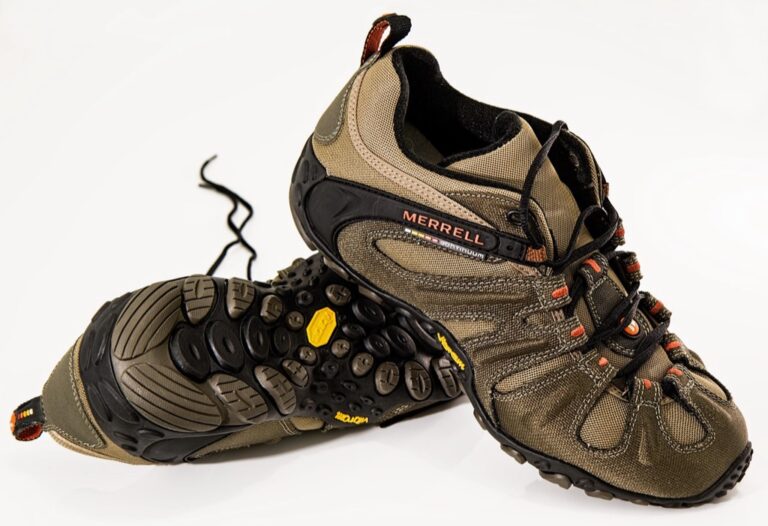
The Merrell All Out Blaze Sieve occupies a unique middle ground between a technical hiking shoe and a water-ready sandal. The leather upper is treated to withstand frequent water exposure, while the cutouts allow for excellent drainage and breathability. It features a sticky Vibram outsole that excels on wet granite and mossy riverbanks, offering confidence where others slide.
Hikers who dislike the feeling of a completely open sandal will appreciate the closed-heel design, which keeps the foot secure during lateral movements on uneven surfaces. The footbed is also surprisingly cushioned, making it a great pick for hikers who struggle with foot fatigue. Keep in mind that the leather requires a bit more care than synthetic alternatives to prevent stiffening after it dries.
This model is a top recommendation for individuals who prioritize a “locked-in” feel. It is versatile enough to handle moderate trails and deep water entries with ease. If the hiking itinerary involves significant miles alongside heavy aquatic exposure, this hybrid provides the necessary stability.
Astral Loyak AC: Best for Grip and Ground-Feel
Astral has mastered the art of “sticky” rubber, and the Loyak AC delivers perhaps the most impressive traction in this category. The thin, flexible sole allows the foot to articulate and “mold” to the surface of uneven rocks, providing a level of stability that thick-soled shoes cannot replicate. Its aesthetic is low-profile, looking much more like a casual sneaker than a piece of specialized water gear.
Because the shoe is minimalist in construction, it offers excellent ground-feel, which is invaluable when balancing on slick or shifting surfaces. The drainage is instantaneous, as the entire shoe is designed to shed water through mesh panels and specialized ports. However, those accustomed to high-arched hiking boots may find the lack of support challenging for extended, multi-hour treks.
The Loyak AC is built for the agile hiker who values tactile feedback and maximum traction over heavy-duty cushioning. It is an exceptional tool for canyoning or short, intense shoreline scrambles. For those who prioritize agility and weight, no other shoe on this list competes with the Loyak AC.
Salomon Techamphibian 5: The True Amphibious Shoe
The Salomon Techamphibian 5 is a technical powerhouse designed specifically for aquatic environments that demand a secure fit. With its quick-lace system and collapsible heel, it transitions from a high-performance shoe to a slip-on mule in seconds. The mesh upper is highly resistant to abrasion, ensuring it survives the rough encounters inherent to rocky shorelines.
The Contagrip outsole is specifically formulated for wet, slippery surfaces, providing biting traction on everything from wet river rock to slimy coastal piers. A major highlight is the interior lining, which is designed to be worn without socks while remaining incredibly comfortable. It is perhaps the most “serious” piece of equipment for hikers who treat water crossings as a primary feature of the trail rather than an obstacle.
Choosing this shoe is an easy decision for anyone heading into technical, water-heavy terrain. It bridges the gap between a mountain trail shoe and a river shoe, offering the best features of both. If the goal is technical precision in wet conditions, the Techamphibian 5 is the clear winner.
Xero Shoes Aqua X Sport: The Minimalist’s Choice
For those who adhere to the minimalist movement, the Xero Shoes Aqua X Sport offers a true barefoot experience in an aquatic package. It is incredibly lightweight, preventing the “waterlogged” feeling that heavier shoes develop when fully submerged. The zero-drop platform promotes a natural stride, which can actually improve balance on jagged rocks by allowing the toes to splay and grip.
The sole is flexible yet features a tread pattern designed to evacuate water and mud efficiently. Because it lacks a thick midsole, it is not ideal for those who prefer shock absorption for rocky impacts. It shines, however, for hikers who want to feel the ground beneath them and demand maximum dexterity from their footwear.
This is the right choice for the experienced minimalist hiker who wants to maintain a natural gait even in the water. It provides minimal bulk and maximum freedom of movement. If the priority is a lightweight, unobtrusive shoe that barely feels like it is on the foot, look no further.
Body Glove 3T Barefoot Cinch: Best Budget Option
The Body Glove 3T Barefoot Cinch is an approachable entry-level option that provides basic protection at a low cost. Its standout feature is the three-toe design, which promotes better balance and dexterity than a standard water shoe. The cinch-cord closure ensures a snug fit, preventing the shoe from slipping off in soft mud or heavy current.
This is not a high-mileage hiking shoe; it is designed for short excursions, beachcombing, and casual water play. The rubber sole is thin, meaning sharp, pointed rocks will be felt through the bottom. However, for a secondary pair of shoes to keep in the trunk for impromptu adventures, it is an unbeatable value.
The 3T Barefoot Cinch is best reserved for light use rather than rugged mountain terrain. It is perfectly suited for recreational hikers who occasionally need to protect their feet from hot sand or sharp shells. For a budget-conscious consumer who understands its limitations, this shoe is a sensible, effective buy.
How We Tested: Our Rocky Shoreline Gauntlet
To ensure these recommendations hold up in the wild, each shoe was analyzed against the realities of a rocky shoreline. This testing framework focuses on four critical metrics: wet-surface traction, drainage speed, debris protection, and structural durability. Evaluations are conducted on diverse surfaces, including slick river granite, jagged coastal basalt, and loose, unstable shale.
The primary goal of this testing is to simulate real-world failure points. A shoe that performs perfectly on a dry trail often fails when its midsole absorbs water or its tread clogs with silt. By intentionally exposing each pair to repeated soak-and-dry cycles, we can identify which materials harden, stretch, or lose their structural integrity over time.
This assessment is not based on theoretical specs, but on the practical demands of uneven, unpredictable terrain. We examine how effectively the drainage systems clear water and whether the footbed remains stable inside the shoe when wet. Every conclusion is drawn from how the gear handles the intersection of high-impact hiking and total water saturation.
Key Features for Hiking on Wet, Uneven Terrain
The most important feature of any aquatic shoe is the outsole compound. Look for soft, high-friction rubber that grips wet stone; harder rubbers tend to skate across surfaces rather than biting into them. Additionally, the tread pattern should be wide and deep to prevent mud and gravel from becoming trapped, which renders the tread useless.
Drainage capability is the next non-negotiable factor. If a shoe holds water, it becomes heavy and causes the foot to slide around inside, which is the leading cause of blisters. Look for mesh side panels, dedicated drain ports in the sole, or entirely open-webbing constructions to ensure water exits as quickly as it enters.
Finally, consider the level of protection required by the terrain. If the shoreline consists of large, stable boulders, a flexible minimalist shoe is perfect. However, if the area is defined by sharp, broken scree or oyster shells, choose a shoe with a reinforced toe bumper and a puncture-resistant midsole to prevent injury.
Getting the Right Fit: Avoiding Blisters & Slips
A water shoe should fit more snugly than a standard hiking boot, but it must never be tight enough to restrict circulation. Because water adds weight and changes the friction coefficient between skin and material, a loose shoe is an invitation for painful chafing. Always test the fit with a pair of synthetic or wool water socks, as these significantly reduce friction.
When shopping, keep in mind that many materials, especially synthetic meshes, can stretch slightly when wet. If the fit feels borderline, choose the more secure option to prevent sliding. An adjustable closure system, such as a cinch or hook-and-loop strap, is essential for tightening the shoe once it becomes saturated and the material relaxes.
If a shoe feels even slightly uncomfortable on land, it will likely be miserable in the water. Pay close attention to how the seams sit against the skin, as wet skin is far more prone to abrasions. Proper sizing, combined with the right socks, is the single most effective way to ensure a day of exploration ends comfortably.
Cleaning and Storing Your Aquatic Shoes for Life
Aquatic shoes often suffer from salt buildup, silt accumulation, and bacterial growth if left to sit in a bag after a trip. After every use, rinse the shoes thoroughly with fresh water, both inside and out, to remove sand and mineral deposits. Using a mild, enzyme-based detergent can help neutralize odors and break down any biological matter trapped in the mesh.
Air-drying is the only acceptable method for maintaining the structural integrity of these shoes. Avoid placing them in a clothes dryer or near direct heat sources like a fireplace, as high temperatures can melt glues and distort the shape of the footbed. Store the shoes in a cool, well-ventilated area away from direct sunlight to prevent UV rays from degrading the rubber and webbing over time.
Treating aquatic gear with consistent care doubles its lifespan and ensures performance remains consistent. By preventing the buildup of grit and moisture, the materials remain flexible and the traction remains sharp. A few minutes of maintenance after a hike is a small price to pay for reliable gear on the next outing.
Choosing the right aquatic shoe is about balancing the specific risks of your environment with the comfort you need for the miles ahead. By focusing on traction, drainage, and a secure fit, you ensure that every step on a rocky shoreline is taken with confidence and comfort. Embrace the water-ready life, and enjoy the hidden trails that most hikers never get to see.