6 Best Neoprene Skin Protectors For Open Water Triathlons
Conquer your next race with the 6 best neoprene skin protectors for open water triathlons. Shop our top picks to prevent chafing and improve your swim performance.
Nothing disrupts a well-planned triathlon race like the sudden, searing sting of a neck burn or armpit chafe halfway through the swim. Preventing skin irritation is not just about comfort; it is about maintaining the focus required to transition smoothly into the bike leg. Arming the skin with the right protective barrier ensures that every stroke remains efficient and pain-free.
Disclosure: As an Amazon Associate, this site earns from qualifying purchases. Thank you!
TRISLIDE Spray: Best for Easy Application
TRISLIDE stands out because it eliminates the need to get sticky balm residue all over your hands before entering the water. The aerosol delivery system provides an even, light mist that covers large areas of skin in seconds, making it ideal for triathletes who want a quick, fuss-free transition routine. Because it is silicone-based, it adheres well even when skin is slightly damp from pre-race nerves or mist.
This product is particularly effective for those who struggle with “fiddly” application around the tight fit of a wetsuit collar. The spray reaches difficult angles on the back of the neck or between the shoulder blades without requiring a mirror or a partner. If efficiency and speed are the top priorities on race morning, this is the clear choice.
Be aware, however, that the aerosol nature requires a bit of spatial awareness to avoid getting product on the ground, which can become slippery. It is best used in an open area, away from transition matting. For the athlete who values a clean, hands-free application process, TRISLIDE is an essential part of the kit.
Body Glide for Her: Best for Sensitive Skin
Formulated with ingredients that prioritize skin health, Body Glide for Her offers a barrier that is gentle yet resilient against the constant friction of neoprene. It features a blend of coconut and almond oils that soothe the skin while creating a long-lasting, invisible shield. It is specifically designed to be hypoallergenic and free of the heavy, petroleum-based ingredients that can irritate sensitive skin types.
Choosing this stick is a wise move if you often experience breakouts or rashes from standard sports lubes. It glides on smoothly, providing a dry, non-greasy feel that stays put through hours of salt or chlorinated water. The compact stick design also makes it easy to keep in a transition bag without worrying about messy leaks or spills.
If you have historically reacted poorly to industrial-grade anti-chafe products, Body Glide for Her is the safest bet for your race day. It performs reliably without compromising skin integrity. For those with reactive skin, this is the gold standard for irritation-free performance.
Zone3 Natural Glide: Best Organic Option
Zone3 Natural Glide is a standout for the environmentally conscious athlete who refuses to settle for petroleum-derived products. This balm relies on natural ingredients like beeswax and plant-based oils to create a durable, water-resistant film. It offers a thick, protective layer that performs exceptionally well in both open ocean and freshwater lake environments.
The texture is firmer than synthetic alternatives, which means it stays on the skin longer during long-distance swims. Because it avoids harsh chemicals, it is far less likely to degrade the neoprene material of high-end wetsuits over time. It strikes the perfect balance between sustainability and heavy-duty performance.
If you prefer to keep synthetic chemicals off your body and out of the water, this is the product to reach for. It is a robust, reliable, and eco-friendly solution for serious triathletes. For the athlete who values performance alongside ecological responsibility, Zone3 is the definitive choice.
HUUB LUUB Anti-Chafe Balm: Wetsuit Safe Pick
HUUB LUUB is engineered with a singular mission: to be the most wetsuit-friendly option on the market. Many anti-chafe products contain harsh chemicals that can cause the rubber in a wetsuit to soften or lose its structural integrity over time. LUUB is specifically formulated to be inert, ensuring that your expensive investment remains in top condition season after season.
The consistency of the balm is dense, making it perfect for high-motion areas like the underarms and the back of the neck. It does not wash off easily in the water, which is a major advantage during long-course swims where endurance is tested. It acts as an effective lubricant, significantly reducing the drag caused by friction against the suit’s seam construction.
If you are protective of your gear and want a product that won’t compromise the longevity of your wetsuit, LUUB is the premier option. It offers high-level protection while respecting the materials it comes into contact with. For the athlete who treats their wetsuit as a long-term investment, this balm is a mandatory purchase.
2Toms SportShield: Most Durable Protection
2Toms SportShield is the “heavy hitter” of the anti-chafe world. Its silicone-based formula creates a literal barrier between skin and wetsuit that is virtually impervious to sweat, water, and salt. Unlike wax-based balms that can “pilling” or flake away during intense exertion, SportShield forms a thin, slick surface that lasts for hours without reapplication.
This product is highly recommended for athletes participating in Ironman or long-distance triathlon events. When the swim phase lasts longer, the risk of “wetsuit burn” increases exponentially; SportShield mitigates this better than almost any other product. It dries quickly to a non-sticky finish, which keeps the skin feeling natural rather than coated.
If you are prone to severe blistering or deep skin abrasions, the extra strength of 2Toms is worth the slight premium. It provides the most reliable insurance policy against the harsh friction of neoprene. For athletes who prioritize total peace of mind over all else, SportShield is the top contender.
ROKA Pro-Glide: Premium Pick for Triathletes
ROKA Pro-Glide is designed for the triathlete who expects elite-level performance from every piece of their equipment. The formula is optimized to provide a “zero-drag” feel, effectively acting as a second skin that allows the wetsuit to glide over the body with minimal resistance. It is clear, odorless, and formulated to be entirely safe for high-performance neoprene fabrics.
Beyond simple protection, it seems to enhance the overall comfort of the suit, making it feel less restrictive during the reach and catch phases of the swim stroke. The stick application is precise and controlled, allowing for generous coverage in the neck, armpits, and along the wetsuit zipper line. It is a premium product, but it justifies the cost with its superior consistency and ease of use.
For the competitor who wants every marginal gain available, ROKA Pro-Glide is the perfect companion for a top-tier wetsuit. It combines comfort, protection, and performance in one sophisticated package. If you are looking for the absolute best in class for competitive racing, look no further.
How to Apply Anti-Chafe Balm for Race Day
Effective application begins before you even leave your hotel room. Apply the balm to dry skin at least 15 minutes before putting on your wetsuit to allow the product to settle and create a proper bond. Target the back of the neck, underarms, sides of the chest, and the anklesâthe primary areas where the wetsuit flexes against the skin.
When applying, do not be shy with the quantity. A generous, opaque layer is much better than a thin, streaky one, especially for long-distance swims where friction cycles occur thousands of times. For areas like the back of the neck, ensure you cover a wide perimeter, as the suit will shift during your swim strokes.
If using a stick, work the product in well, but avoid “pulling” the skin, which can cause premature irritation. If you are applying sunscreen, do so first and let it dry completely before adding the anti-chafe barrier. This layering technique ensures your protection remains robust from the starting horn to the final exit.
Key Chafe Spots for Open Water Swimmers
The neck is the most common site of irritation due to the constant rotation of the head and the collar of the wetsuit rubbing against the skin. Even a small piece of loose neoprene or a poorly placed seam can cause significant “neck burn” within minutes. Always check the seams of your suit before the race, as a single rough edge is all it takes to ruin your day.
The armpits are the next high-risk zone, as this area experiences the most movement during the swim stroke. Friction here is constant, and because the area is naturally moist, it is prone to inflammation. Ensuring this area is heavily lubricated is critical to maintaining a strong, fluid stroke throughout the entire race.
Finally, consider the areas around the ankles and wrists. While these spots seem minor, they are the entry and exit points for the suit. Any tightness or grit trapped between the rubber and the skin in these zones can lead to localized chafing that may become painful during the run leg of the race.
Choosing Between a Stick, Spray, or Cream
Sticks are generally the most versatile and precise option, offering a balance of convenience and heavy-duty protection. They are excellent for focusing on specific, high-friction points like the neck or inner arm without creating a mess. However, they can be more difficult to apply to hard-to-reach areas on the back without a mirror.
Sprays are ideal for speed and large-area coverage, making them the best choice for a fast T1 transition. They reach everywhere effortlessly but require careful use to ensure you do not make the floor slippery for other athletes. Sprays are best for athletes who want to minimize the time spent in the transition zone.
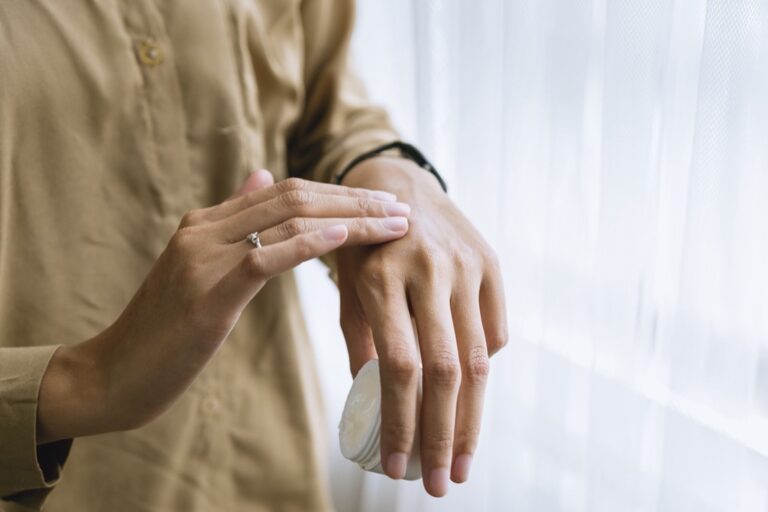
Creams, while often the most intensive in terms of protection, require hand application, which can be messy. They are ideal for pre-race preparation at home where you have access to a sink to wash your hands afterward. Choose your delivery method based on where you are applying the product and how much time you have to get geared up.
Cleaning Your Wetsuit After Using a Protector
It is vital to rinse your wetsuit with fresh, cool water after every open water swim, regardless of which protector you use. While many products are wetsuit-safe, leaving salt, chlorine, and chemical residue on the suit can degrade the neoprene and weaken the seams over time. Use a dedicated wetsuit shampoo once every few uses to gently remove oils and build-up.
Never use hot water, as it can damage the specialized rubber and the lining of the suit. After rinsing, hang the wetsuit in a shaded, well-ventilated area away from direct sunlight, which causes the neoprene to become brittle and crack. Ensure the suit is completely dry on both the inside and outside before storing it in a cool, dark place.
Neglecting post-swim maintenance is the fastest way to shorten the lifespan of your wetsuit. By treating your suit with the same care you give your skin, you ensure that both remain in peak condition. A clean suit is a faster, more comfortable suit, providing better value and better performance in the long run.
Ultimately, preventing skin irritation is a foundational skill for any successful open water triathlete. By selecting the right protector for your skin type and race distance, you transform a potential liability into a seamless component of your performance. Invest in the right gear, apply it with care, and head into the water with total confidence.