6 Best Valve Wrenches For Securing Air Nozzle Connections
Upgrade your toolkit with our expert guide to the 6 best valve wrenches for securing air nozzle connections. Read our top picks and improve your workflow today.
Nothing ruins a perfectly good day on the water faster than a slow hiss of air escaping from a loose valve. Securing those connections properly is the difference between a reliable day of paddling and a frustrating, early trip back to the launch. Investing in the right wrench now ensures longevity for your gear and peace of mind when far from shore.
Disclosure: As an Amazon Associate, this site earns from qualifying purchases. Thank you!
Halkey-Roberts HR Wrench: The Industry Standard
The Halkey-Roberts HR valve is essentially the gold standard for inflatable kayaks, stand-up paddleboards, and rafts. Because this valve design is so ubiquitous, having a dedicated wrench designed specifically for its unique tooth pattern is mandatory for any serious water enthusiast. It offers a precise fit that eliminates the risk of slipping and damaging the plastic housing during tightening.
This tool is the definition of a “buy once” investment. Its singular focus on the HR interface means it provides the best possible torque transfer, ensuring you can snug up a loose valve without over-torquing it. If your primary craft uses a standard HR valve, do not settle for a universal tool when this specialized option exists.
For those who prioritize gear maintenance and longevity, this wrench is essential. It performs exactly as expected every single time, providing a secure seal that prevents those stubborn micro-leaks. If you own an HR-compatible board or boat, this should be the first item in your dry box.
Sea-Dog Universal Deck Plate & Valve Wrench
Versatility is the primary appeal of the Sea-Dog Universal Deck Plate & Valve Wrench. Designed for boaters who manage a variety of hardware, this tool features multiple protrusions and slots that adapt to various deck plates and valve types. It serves as a true multi-tool for the marine environment, saving space in a crowded gear bag.
While a universal wrench is rarely as precise as a dedicated model, the Sea-Dog option is remarkably robust. It is built to withstand the rigors of marine conditions, often constructed from materials that resist corrosion and impact. It is the ideal choice for individuals who own a fleet of different inflatables or frequently help friends at the boat ramp.
Consider this tool if you need a high-utility solution that covers multiple bases. It may not offer the perfect, snug fit of a proprietary tool, but its utility far outweighs that minor drawback in a pinch. For the recreationalist who likes to be prepared for anything, it is a highly capable, sensible addition to the kit.
Leafield C7/D7 Valve Wrench: Pro-Grade Pick
Leafield valves are the heavy-duty workhorses of the whitewater industry, found on the most rugged rafts and catarafts. The C7/D7 wrench is a heavy-duty, professional-grade tool engineered to handle the higher tension requirements of these specialized systems. Using anything less on a Leafield valve is a recipe for stripping the plastic teeth or failing to achieve a true air-tight seal.
This wrench is built with durability in mind, reflecting the high-performance nature of the gear it services. It provides a deeper, more secure engagement with the valve, allowing for the firm torque necessary to hold pressure in intense, high-heat environments. It is an indispensable companion for anyone running whitewater or commercial-grade inflatables.
If you rely on your equipment for demanding conditions, this is the only logical choice. Precision is paramount when dealing with high-pressure valves, and this wrench delivers that with absolute reliability. For the serious rafter or guide, this tool is not an option—it is a requirement.
West Marine Ribbed Valve Wrench: Budget Buy
Sometimes the simplest solutions are the most effective, and the West Marine Ribbed Valve Wrench proves that you do not need to spend heavily to get a reliable result. Its straightforward, molded design focuses on providing enough grip to tighten or loosen most standard valves without fancy bells and whistles. It is an excellent “keep it in the truck” tool for unexpected adjustments.
The ribbed design allows for a good manual grip, which is helpful when you are working with wet, slippery hands. While it lacks the hardened construction of professional tools, its price point makes it an easy item to keep in multiple locations. It is a solid, no-nonsense utility tool that gets the job done without complication.
This wrench is perfect for the casual paddler or someone setting up their first kit on a budget. It performs exactly as advertised for routine tightening and maintenance. If your goal is a functional tool that keeps you on the water for the lowest possible cost, look no further.
NRS Wonder Pump 6 Valve Adapter Wrench Combo
The NRS Wonder Pump 6 Valve Adapter Wrench is a clever, space-saving innovation for those who are tired of carrying separate items for inflating and maintaining their gear. It integrates the wrench teeth directly into the handle of an adapter, meaning your maintenance tool is always attached to the pump you already have in your hand. This design philosophy emphasizes convenience and ensures you are never caught without the right tool.
Because it functions as both an inflation adapter and a wrench, it simplifies the transition from the car to the water. You can quickly tighten a valve before you even begin to inflate, ensuring no air is lost during the setup process. It is a highly efficient piece of gear that rewards those who value organized, streamlined kits.
If you are a fan of minimalist gear lists, this hybrid tool is for you. It functions reliably and serves a dual purpose, effectively reducing the number of loose parts in your gear bag. For the efficient paddler, this is a brilliant and highly recommended piece of engineering.
AIRHEAD Multi-Valve Wrench: For All Your Toys
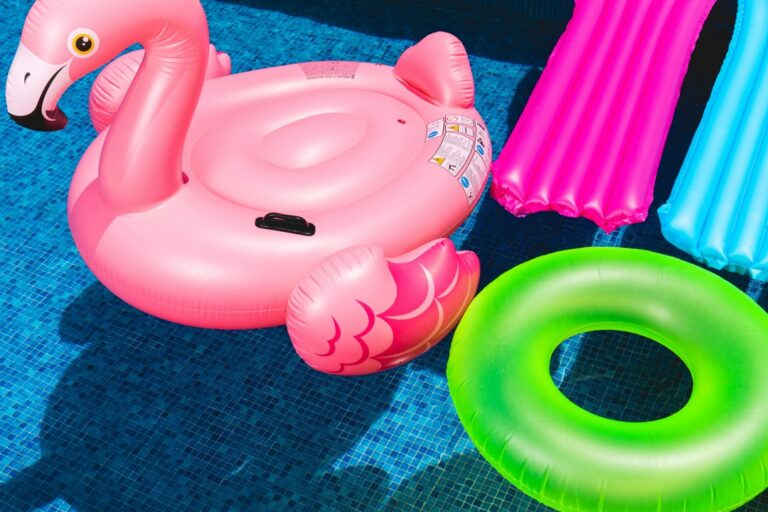
If your summer involves an assortment of towables, pool floats, and inflatable kayaks, the AIRHEAD Multi-Valve Wrench is likely your best friend. This tool features a wide array of configurations on a single head, covering nearly every common valve type found in casual recreational inflatables. It takes the guesswork out of “does this fit?” by providing a one-stop-shop solution.
This is not a high-torque tool for professional whitewater rafts, but it is perfect for the average family’s collection of water toys. It turns the chore of preparing a fleet of inflatables into a quick, simple process. It is the definitive tool for the weekend warrior or the backyard pool owner who wants to keep everything in working order.
While it is specialized for recreational gear rather than high-end expedition equipment, it succeeds at what it was designed to do. It is durable enough for occasional use and exceptionally convenient for mixed-gear households. Pick this up if your primary concern is broad compatibility across standard inflatable valves.
How to Match a Wrench to Your Valve Type
- Visually inspect the teeth: Count the notches or teeth on your valve face and compare them against the wrench pattern.
- Identify the manufacturer: Look for logos or markings on the valve base, as most manufacturers use proprietary interfaces.
- Check the diameter: Measure the inner diameter of the valve hole if you are unsure, as standard valves (like Halkey-Roberts) usually share a consistent size.
- Test for “play”: When holding the wrench to the valve, there should be almost zero rotational wiggle. Excessive play is a primary cause of stripped valve teeth.
Using a Wrench Without Damaging Your Gear
- Clean the area first: Ensure there is no sand, grit, or salt in the valve teeth, as these act like sandpaper under the wrench.
- Push straight down: Always apply firm, perpendicular pressure to keep the wrench fully seated in the teeth while turning.
- Go slowly: Never force a valve that feels seized; use a silicone-based lubricant on the threads and try again gently.
- Avoid pliers: Never use metal pliers or channel-locks on plastic valves, as the grip is uneven and will crack the housing instantly.
The “Hand-Tight Plus Quarter-Turn” Rule
Most inflatable valves require a very specific amount of tension to ensure a seal without damaging the internal structure of the valve or the surrounding material. Start by tightening the valve by hand until it stops turning comfortably against the fabric or deck plate. Once hand-tight, attach your wrench and turn it no more than a quarter-turn further to seat the gasket firmly.
This method prevents the common mistake of over-tightening, which can actually deform the valve and lead to leaks rather than preventing them. Remember that the goal is simply to compress the O-ring or gasket enough to create a seal, not to lock the valve into place permanently. Always err on the side of caution, as you can easily add a little more tension if a leak persists, but you cannot fix a cracked valve housing caused by excessive force.
DIY Fixes for a Stripped or Leaky Valve
- Clean the gasket: If the valve is leaking, the most common culprit is a grain of sand stuck in the seal. Unscrew the valve, wipe the rubber gasket with a damp cloth, and inspect for debris.
- Check for cross-threading: If the valve feels difficult to screw in, do not force it. Back it out completely and re-align the threads to prevent permanent damage to the hull or valve body.
- Use silicone grease: A thin coating of marine-grade silicone grease on the threads can significantly improve the seal and make future tightening much smoother.
- Know when to replace: If the plastic teeth are worn smooth or the valve housing is cracked, do not attempt a patch. These components are designed to be replaced to ensure the safety and integrity of your craft.
Proper valve maintenance is the hallmark of a seasoned water enthusiast who values reliability over convenience. By selecting the right tool for your specific gear and following simple tightening protocols, you effectively eliminate the most common cause of mid-day equipment failure. Keep your tools clean, your connections snug, and your focus where it belongs: on the water ahead.