7 Solar Powered Portable Chargers For Coastal Camping
Power your coastal camping trip with these 7 reliable solar powered portable chargers. Read our expert guide to choose the best gear for your next beach escape.
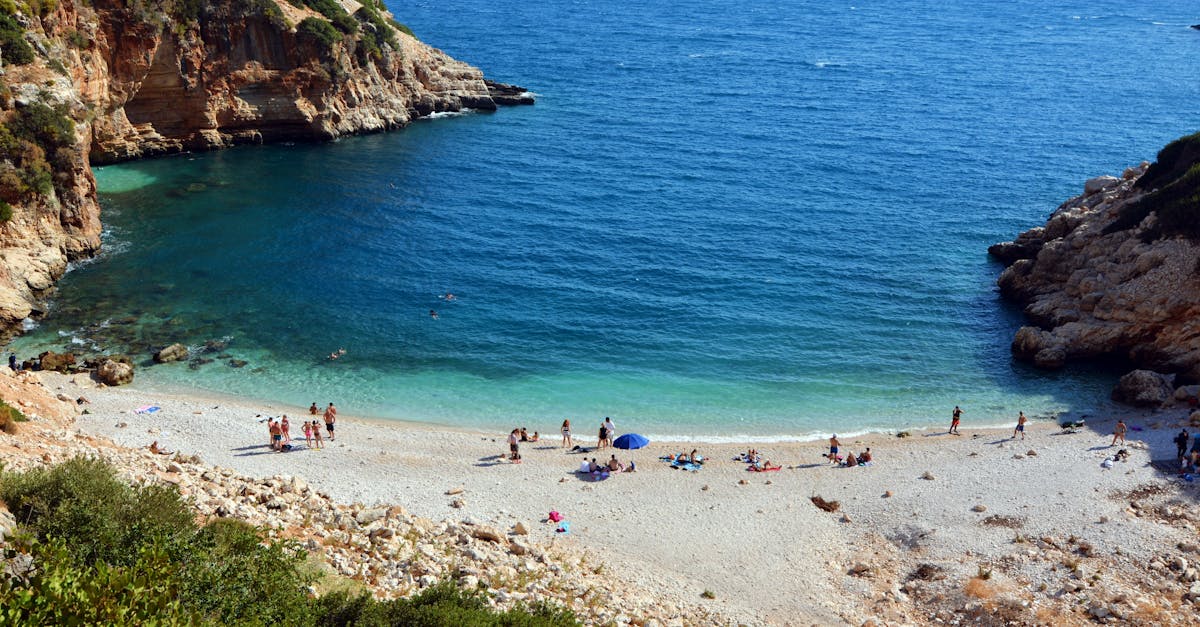
The rhythmic crash of waves against the shoreline provides the ultimate backdrop for a coastal getaway, but keeping devices powered while off-grid is a notorious challenge. High humidity, shifting dunes, and relentless salt air create an environment where standard electronics struggle to survive. Choosing the right solar setup transforms a weekend camping trip from a test of battery management into a seamless, connected experience.
Disclosure: As an Amazon Associate, this site earns from qualifying purchases. Thank you!
Goal Zero Nomad 10: Most Rugged for Salt Spray
The Nomad 10 is built for those who prioritize durability in harsh coastal environments. Its weather-resistant exterior is specifically designed to withstand the intermittent spray and high humidity common along the shoreline. While other panels might falter under the corrosive nature of salt air, this unit features a protective coating that keeps the hardware functioning through damp beach mornings.
This charger shines when lashed to the back of a pack during coastal hikes or left on the sand near a tent. It lacks the massive output of larger arrays, but it delivers a consistent, regulated charge even when cloud cover rolls in off the ocean. It is the definitive choice for the camper who needs gear that won’t give up when the weather turns unpredictable.
BigBlue 28W Solar Charger: Best for Multiple Devices
When a group settles into a campsite, the competition for a single charging port often leads to frustration. The BigBlue 28W Solar Charger solves this by utilizing three USB ports, allowing for the simultaneous charging of multiple devices like phones, headlamps, and cameras. It delivers enough wattage to handle the higher draw required by smartphones, ensuring that a group doesn’t leave the coast with dead batteries.
Efficiency is the main advantage here, as the panel can maintain a steady flow of power to three devices provided there is decent sunlight. The tradeoff is the larger footprint, which requires more space on the sand or a larger backpack. Choose this model if the priority is keeping an entire campsite’s worth of small electronics powered throughout the duration of the trip.
BioLite SolarPanel 5+: Best for Solo Backpackers
For the solo adventurer trekking along coastal cliffs, weight is the ultimate enemy. The BioLite SolarPanel 5+ is ultra-thin and features an integrated 2200mAh battery, which allows for storing power throughout the day. This internal buffer is critical when coastal fog rolls in, as it ensures that energy captured during clear spells remains available for charging a phone at night.
The built-in kickstand is particularly useful for finding the perfect angle on uneven, sandy terrain. It provides just enough power to keep navigation tools and a camera functional for a long weekend trek. This is the ideal partner for the minimalist who values a compact form factor over raw, multi-device charging speed.
Anker 21W PowerPort Solar: Top Ultralight Option
Anker’s 21W PowerPort Solar is a masterclass in balancing power output with portability. It folds down to a size that barely occupies space in a daypack, yet it unfurls to provide 21 watts of energy under peak sun. Its PowerIQ technology detects the specific requirements of the connected device, ensuring the most efficient charge possible without wasting precious daylight.
The fabric construction is surprisingly resilient, though users should be mindful of keeping it away from direct contact with abrasive, wet sand. It is perfect for those who spend most of the day exploring tidal pools and need a lightweight charger that can be deployed in minutes. This unit remains the gold standard for those who want a reliable, no-nonsense solar solution that doesn’t add bulk.
Hiluckey Solar Power Bank: Best All-in-One Unit
The Hiluckey Solar Power Bank combines the panel and the battery into a single, ruggedized brick. This design is highly practical for coastal trips because it minimizes the number of loose cables and fragile connections exposed to salt air. It can be hung from a tent or a beach bag, collecting light while the user relaxes, then providing a stored charge later in the evening.
It is important to note that the small solar surface area means the sun acts more as a trickle-charge mechanism than a primary power source. Use this device to top off a battery that was already charged before leaving home. It is best suited for the casual camper who wants a simple, integrated backup system rather than a dedicated high-power array.
RAVPower 24W Solar Panel: Best Value for a Group
Efficiency meets affordability in the RAVPower 24W Solar Panel, a workhorse that provides reliable power for groups without a premium price tag. It features iSmart technology that adjusts the output to match the specific needs of various devices, preventing overheating. This stability is essential when the midday sun is intense and consistent power flow is required to keep hardware running.
The panel is wide, providing a large surface area that performs well even when the sun is low on the horizon. While it isn’t as indestructible as some premium tactical options, it offers excellent longevity if handled with basic care. For group trips where budget is a factor, this panel offers the best balance of output and reliability.
Nekteck 21W Solar Charger: Fastest Charging Panel
The Nekteck 21W charger is engineered specifically to prioritize speed. By utilizing a high-efficiency sun-power panel, it minimizes the time devices spend plugged in, which is vital in coastal areas where weather patterns can change within minutes. If the sun is out, this unit is arguably the most efficient at converting those rays into immediate power for a smartphone.
The build is sleek and features a PET polymer surface that is quite resilient to the occasional splash of water. It is recommended for those who have a specific, high-draw device and need to get it charged quickly before moving on to the next beach activity. It serves as a high-performance tool for users who understand how to track the sun and maximize exposure.
How to Pick a Charger for Your Coastal Camp Trip
Selecting a charger requires balancing total power needs against the reality of coastal weather. A solo hiker only requires enough to keep a phone and GPS unit alive, while a family camping trip may necessitate a larger array to handle tablets and multiple cameras. Always calculate the total battery capacity of your devices and plan for at least 30% power loss due to inefficiencies or cloud cover.
Consider the portability factor during the selection process. If the camp is located a long distance from the parking area, a heavy, high-wattage panel will become a burden quickly. Conversely, if you are setting up a stationary base camp, prioritize a larger, more stable array over an ultralight model. Efficiency under diffuse, indirect light is often more valuable at the coast than peak wattage under a cloudless sky.
Getting the Most Juice: Solar Panel Placement Tips
The key to successful solar charging is orientation and angle. Always ensure the panels face directly toward the sun, utilizing the built-in kickstands or paracord to angle the device perpendicular to the light rays. At the coast, shadows are your enemy; clear away beach grass or place the panel in an open area to avoid intermittent shade that can reset the charging controller on many devices.
Never underestimate the power of reflection. Placing panels on the sand near the water’s edge can increase efficiency because the light is bouncing off both the sky and the bright, reflective surface of the sand. However, keep the electronics away from the actual spray line, as salt-laden mist can cause long-term corrosion to the USB ports.
Care Tips: Protecting Gear from Sand and Salt Air
Salt is exceptionally corrosive and will degrade the delicate components of a solar panel over time if not managed. After every trip, use a dry, soft cloth to wipe down the surface of the panel to remove any salt residue. Never use abrasive cleaners or solvents, as these can strip the protective coatings that make the panel water-resistant.
Sand, while seemingly harmless, acts like a grinding agent on folding hinges and fabric seams. Always shake out the panels thoroughly before folding them up for transport. If a panel becomes saturated with salt spray, allow it to dry completely in a shaded, ventilated area before packing it away to prevent moisture entrapment and internal component failure.
Equipping yourself with a reliable solar charger allows you to extend your time on the coast without disconnecting from the essential tools that keep you safe and organized. By matching the right panel to your specific power requirements and respecting the harsh coastal environment, you ensure that your gear remains a long-term asset. Whether you opt for a rugged, minimalist, or high-capacity solution, the sun provides all the power necessary for a successful trip, provided you remain diligent in your care and placement.