6 Best Lacrosse Balls For Deep Tissue Release For Athletes
Recover faster and relieve tight muscles with our top 6 picks for lacrosse balls for deep tissue release. Read our expert guide and find your perfect tool today.
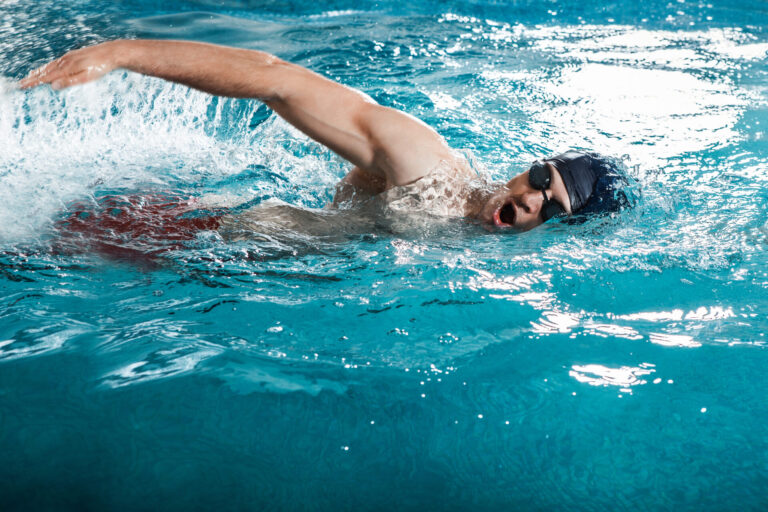
Whether navigating the resistance of a long-distance open water swim or recovering from a grueling day of competitive training, athletes understand that muscle tension is the primary barrier to peak performance. A simple lacrosse ball serves as a high-precision tool for myofascial release, providing the focused pressure that larger equipment simply cannot replicate. Integrating this modest piece of gear into a recovery routine transforms stiff, overworked tissue into supple, functional muscle ready for the next challenge.
Disclosure: As an Amazon Associate, this site earns from qualifying purchases. Thank you!
Champion Sports Lacrosse Balls: Best Overall Value
When the goal is equipping a home gym or a travel bag without breaking the bank, this option leads the pack. These balls offer a standard weight and size that meets official specifications, ensuring they function exactly as intended for physical therapy applications.
Because they are sold at a lower price point than premium match balls, these are the ideal choice for someone who needs to keep a ball in every location—the gym locker, the car, and the bedside table. Having multiple units available removes the barrier to consistent recovery, as the tool is always within reach when tightness sets in.
For the athlete prioritizing utility over brand prestige, these provide consistent performance for years. If a reliable, no-nonsense tool is the requirement, these represent the smartest investment for long-term maintenance.
STX Official Lacrosse Balls: Most Consistent Density
Density is the most critical factor for deep tissue work, as a ball that compresses too easily will fail to penetrate thick muscle groups like the glutes or lats. The STX official ball maintains a uniform structural integrity that prevents “dead spots” or uneven softening over time.
This consistency allows for predictable pressure application during trigger point therapy. When rolling out the arch of a foot or the tight space between shoulder blades, the ability to rely on the ball’s rigid feedback makes the process significantly more efficient.
Athletes who prefer a predictable, firm sensation will find these superior to softer, budget-grade alternatives. If precision and reliability are the non-negotiables of the recovery regimen, this is the gold standard for consistent density.
Signature Lacrosse Balls: Best for Targeted Pressure
The Signature ball is engineered with a focus on grip and surface texture, which prevents the ball from sliding away during floor-based exercises. For those working on tricky areas like the subscapularis or the deep tissues of the hip flexors, this added friction is a game-changer.
The ball stays exactly where placed, allowing for deeper engagement with the knot without the need for constant repositioning. This stability is particularly useful when performing wall-based release techniques, where gravity and friction are the only things holding the ball in place.
These are best suited for athletes who struggle with balls “escaping” during floor routines. If frustration with slippery equipment has been a barrier to recovery, the tackiness of this ball provides the necessary control for effective sessions.
Brine NOCSAE Lacrosse Balls: The Classic Athlete’s Choice
Adhering to NOCSAE (National Operating Committee on Standards for Athletic Equipment) standards ensures that these balls meet rigorous manufacturing requirements for hardness and bounce. This certification effectively guarantees that the user receives a tool of professional-grade quality.
These balls possess the classic “dead” feel, meaning they do not rebound aggressively when dropped or pressed firmly against a wall. This lack of elasticity is exactly what is needed for deep tissue release, as it ensures the pressure is directed into the muscle rather than absorbed by the ball’s surface.
They are the reliable, heavy-duty workhorses of the recovery world. For the athlete who values established manufacturing standards and a traditional feel, the Brine model remains a top-tier selection.
Pearl X Practice Lacrosse Balls: Greaseless & Durable
One common frustration with traditional rubber balls is the oily residue or the tendency to attract dust and debris over time. The Pearl X utilizes a proprietary technology that remains clean, dry, and grippy without the need for synthetic coatings that wear off.
Beyond the cleanliness, these are built for extreme durability in practice environments, making them virtually indestructible for personal use. They retain their shape and hardness even after years of being pressed against concrete floors or hard surfaces.
These are the clear winner for the athlete who demands a clean, low-maintenance tool that stays “new” indefinitely. If the thought of a sticky, dust-covered ball is off-putting, the Pearl X is the ultimate solution.
Gait Official Lacrosse Balls: Firmest for Intense Knots
Not all muscle knots are created equal; some require a higher degree of firmness to break through layers of fascia. The Gait ball is widely recognized for being exceptionally dense, bordering on solid, which provides a level of intensity that softer balls cannot achieve.
When targeting chronically tight spots, such as the IT band or the thick fibers of the quads, this ball offers the aggressive feedback required for deep release. It does not yield under body weight, ensuring that the force is concentrated entirely on the targeted tissue.
These are not recommended for beginners or those who are highly sensitive to pain. However, for the experienced athlete who needs maximum resistance for stubborn, deep-seated trigger points, the Gait is the most effective tool available.
How to Choose the Right Lacrosse Ball for Your Needs
- Determine Your Firmness Preference: Beginners should start with a standard rubber density, while experienced users may want the extra rigidity of a professional-grade ball.
- Evaluate Surface Requirements: If the primary use is on a hardwood floor or against a smooth wall, choose a ball with high friction to prevent sliding.
- Consider Maintenance: If the ball will be carried in a gym bag, prioritize options that do not collect lint or oils.
- Purpose of Use: Identify if the ball is for localized knot release (very firm) or general muscle flushing (slightly softer).
Key Techniques for Effective Deep Tissue Release
The secret to effective release is slow, deliberate movement rather than frantic rolling. Place the ball on the tight area and apply steady pressure until the initial sharp sensation begins to dissipate.
Once the discomfort decreases, perform small, circular movements to “cross-friction” the muscle fibers. If the muscle begins to guard or tense up, decrease the pressure immediately; fighting against the ball is counterproductive and leads to inflammation.
Maintain a steady, deep breathing pattern throughout the process. Oxygenating the tissues while applying pressure facilitates the release, turning a painful session into a transformative recovery experience.
Safety First: Areas to Avoid and Proper Pressure
Never use a lacrosse ball directly over bones, joints, or major nerve bundles. The pressure should be applied only to soft, fleshy muscle tissue, moving away if the ball hits a solid structure like the spine or kneecap.
If sharp, shooting pain or numbness occurs, discontinue use on that spot immediately. This is a sign of nerve compression, and the ball must be relocated to a safer area of the muscle belly.
Listen to the body’s feedback at all times. The goal is a “good hurt” that results in immediate relief, not bruising or lingering pain that lasts into the next day.
Lacrosse Ball vs. Foam Roller: Which is Better?
A foam roller is excellent for broad, sweeping coverage of large muscle groups like the quads, hamstrings, or back. It provides a general flush of blood flow and is ideal for warm-ups or post-workout recovery when time is limited.
Conversely, a lacrosse ball is a surgical instrument designed for pinpoint accuracy. It excels where the roller fails—reaching between the shoulder blades, into the hip socket, or deep into the arches of the feet.
Most athletes find the best results by using both tools in tandem. Use the roller to loosen the major muscle groups, then follow up with the lacrosse ball to address the specific, localized knots that the larger equipment simply skipped over.
Mastering recovery is just as important as the training itself, and the addition of a quality lacrosse ball provides the targeted intervention necessary to keep muscles functioning at their best. By choosing the right firmness and practicing safe, intentional release techniques, any athlete can effectively manage daily wear and tear. Invest in the right tool, prioritize consistency, and observe how quickly recovery time shrinks while performance capacity climbs.