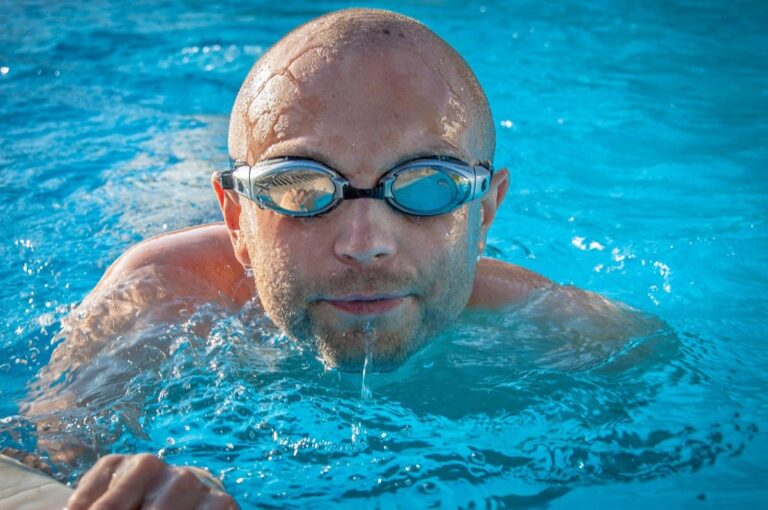
7 Best Hydration Tracking Apps For Endurance Swimmers
Stay hydrated and perform your best in the water. Discover the 7 best hydration tracking apps for endurance swimmers to optimize your training. Start tracking now!
The sensation of thirst often goes unnoticed when submerged in cool water, making endurance swimmers particularly susceptible to silent dehydration. Relying solely on internal cues while training in a pool or open water is a recipe for performance plateaus and health risks. Embracing digital tracking tools ensures that fluid intake remains a non-negotiable part of every training cycle.
Disclosure: As an Amazon Associate, this site earns from qualifying purchases. Thank you!
WaterMinder: Best for Apple Watch Integration
WaterMinder stands out for those who prefer to keep their phone tucked away in a locker. Its seamless Apple Watch integration allows for quick, one-tap logging directly from the wrist, which is perfect for swimmers heading straight from the pool deck to the showers. The visual representation of daily goals provides an immediate, glanceable status check of hydration progress.
This app excels by calculating intake based on body weight and activity level, providing a personalized baseline rather than generic eight-glass recommendations. The watch interface is clean and responsive, minimizing the friction often associated with manual data entry. It is the premier choice for tech-forward swimmers who prioritize hardware synchronization over complex data visualization.
If the goal is effortless integration into a wearable ecosystem, WaterMinder is the definitive choice. It removes the chore of tracking, effectively turning fluid management into a passive part of a daily routine. Those who wear their Apple Watch while training will find this to be an indispensable companion.
HidrateSpark: Best for Smart Bottle Synergy
The HidrateSpark ecosystem bridges the gap between digital tracking and physical habit by utilizing a smart bottle that tracks every ounce consumed. The bottle glows as a physical reminder to drink, which is invaluable for busy athletes who often become consumed by work or training logistics. Data syncs automatically via Bluetooth to the companion app, removing all manual input requirements.
This is the ultimate solution for the swimmer who struggles with consistency throughout the day. By automating the data collection process, the margin for human error disappears entirely. While the initial investment is higher due to the hardware requirement, the convenience factor for high-volume athletes is unmatched.
For those who value data precision above all else, HidrateSpark is the clear winner. It eliminates the guesswork, ensuring that every drop consumed is accounted for with scientific accuracy. It is a robust, “set it and forget it” tool for the serious endurance athlete.
MyFitnessPal: Best All-in-One Fitness Log
MyFitnessPal remains the gold standard for athletes who demand a holistic view of their health metrics. While primarily a nutrition logger, its water tracking feature allows swimmers to cross-reference fluid intake with caloric expenditure and macronutrient goals. This is essential for endurance swimmers who must balance hydration with electrolyte-heavy fueling strategies.
The primary advantage here is the consolidation of data; having hydration, nutrition, and training stats in one dashboard provides a comprehensive picture of performance. While it lacks the dedicated bells and whistles of water-specific apps, its utility for long-term health monitoring is superior. It is best suited for the structured athlete who follows a strict periodized training plan.
Choosing this app is the right move for someone who wants to view hydration as one pillar of a broader athletic strategy. If the goal is to optimize overall body composition and performance, this is the environment in which to track. It is not for the minimalist, but it is perfect for the data-driven strategist.
Waterllama: The Most Fun and Motivating App
Waterllama transforms the mundane task of hydration tracking into an engaging, gamified experience. With charming characters and achievement badges, it is designed to keep motivation levels high for athletes who otherwise find logging fluids tedious. Its interface is playful yet functionally sound, offering clear goal-setting capabilities that adapt as the day progresses.
Despite the whimsical aesthetic, the app provides serious analytical tools for tracking varied beverage types and their hydration impact. The user experience is smooth and encouraging, making it an excellent psychological tool for maintaining consistency during grueling, high-volume training weeks. It is an ideal pick for those who respond better to positive reinforcement than cold, hard spreadsheets.
If tracking feels like a chore, Waterllama effectively reframes the task as a rewarding challenge. It is highly recommended for athletes who appreciate a lighter, more interactive approach to discipline. This app makes consistent hydration feel like an attainable goal rather than a burdensome task.
iHydrate: Top Pick for Customizing Intake
iHydrate offers a level of granularity that appeals to those who understand the specific needs of an endurance athlete. It allows for the monitoring of different types of fluids, including caffeinated or electrolyte-heavy drinks, and accounts for their unique contributions to the body’s water balance. The interface is clean, professional, and avoids the clutter of social features.
The strength of iHydrate lies in its ability to handle complex hydration profiles. Endurance swimmers often need to track more than just plain water, as electrolyte replenishment is crucial for avoiding muscle cramps during long-distance efforts. This app provides the necessary controls to adjust for these nuances in real time.
For the swimmer who wants deep control over their data, iHydrate is the superior option. It respects the user’s intelligence and provides the tools necessary for sophisticated hydration management. It is a highly reliable choice for athletes who prioritize utility and customization over entertainment value.
Hydro Coach: Best Feature-Rich Free Option
Hydro Coach is a powerhouse for the budget-conscious athlete who still demands deep analytical features. It provides comprehensive statistics, reminders, and health-based calculations without a steep subscription price tag. The app excels in its ability to offer high-end functionality, such as syncing with external fitness platforms, completely free of charge.
The interface is functional and highly responsive, prioritizing data integrity over visual flair. It tracks progress over weeks and months, allowing swimmers to observe the correlation between hydration habits and training fatigue. For those who want professional-grade tracking without an ongoing financial commitment, it is an unbeatable value.
Hydro Coach is the pragmatic choice for the serious swimmer who prefers to invest their money in gear rather than software. It proves that comprehensive tracking does not require a paid tier to be effective. It is the most robust and accessible option for those building an endurance routine from the ground up.
Daily Water Tracker: The Simplest Interface
Daily Water Tracker is built for the user who wants minimal digital friction. It focuses entirely on simplicity, providing a clean, distraction-free environment for logging intake. There are no complex charts or social feeds to navigate, just a clear, straightforward path to hitting daily targets.
This app is ideal for athletes who find complex apps distracting or overly time-consuming. It serves a single purpose with efficiency and reliability, which is often exactly what is needed in the chaos of a busy training schedule. It is the digital equivalent of a simple tick-box, perfect for the minimalist athlete.
If simplicity is the primary criterion, this app is the answer. It provides the essential function of logging without the clutter of unnecessary features. It is a highly recommended tool for those who prefer to keep their digital lives streamlined and functional.
How to Calculate Your Personal Hydration Needs
Every swimmer’s hydration requirement is influenced by individual sweat rates, local climate, and training intensity. A reliable starting point is calculating base intake by multiplying body weight in pounds by 0.5 to 0.7, yielding ounces of water required daily. Endurance athletes must treat this as a baseline, adding 16 to 24 ounces for every hour of moderate-intensity training.
Do not overlook the role of humidity and temperature, as swimmers in warm, indoor pools often lose as much fluid through sweat as those in the sun. If training sessions last longer than 90 minutes, simple water intake is insufficient. Electrolyte replacement becomes mandatory to prevent hyponatremia, a dangerous condition caused by an imbalance of sodium in the blood.
Trial and error remains the most accurate way to dial in personal needs. Monitor urine color—a pale straw color is the goal—and track body weight before and after a long training session. A loss of more than two percent of body weight post-swim indicates a significant hydration deficit that must be corrected in future sessions.
Signs of Dehydration You Can’t Ignore in Water
Dehydration in the water is deceptive because the body does not feel warm in the same way it does on land. Watch for early indicators like a sudden drop in stroke efficiency, persistent dry mouth, or an uncharacteristic feeling of heaviness in the limbs. These subtle shifts are often the first sign that the blood volume is decreasing, forcing the heart to work harder.
More severe symptoms include lightheadedness, confusion, or a sudden onset of muscle cramps that do not resolve with stretching. If these symptoms occur, exit the water immediately, move to a cooler environment, and begin rehydrating with an electrolyte-rich solution. Ignoring these signals can lead to heat exhaustion, which is a severe risk even in aquatic environments.
Never rely on the feeling of thirst alone, as it is a lagging indicator of fluid loss. By the time the brain signals thirst, the body is already significantly dehydrated. Cultivate a habit of drinking on a schedule, regardless of whether the physical urge to drink is present.
Timing Intake: Pre, During, and Post-Swim Guide
The hydration strategy should begin two hours before entering the water with 16 to 20 ounces of fluid to ensure a hydrated starting state. Consume an additional 8 ounces of water or a light electrolyte solution 15 minutes before the swim to prime the system. This proactive approach ensures the body is ready for the upcoming exertion.
During the swim, aim for small, frequent sips if training in open water or during long pool intervals where access to a bottle is possible. Consume roughly 4 to 8 ounces every 20 minutes to maintain steady hydration levels without overwhelming the stomach. Avoid gulping large quantities at once, as this can cause discomfort during flip turns or stroke rotations.
Post-swim recovery requires rehydrating with 16 to 24 ounces of fluid for every pound of body weight lost during the session. Include a source of sodium to aid in fluid retention and help restore the electrolyte balance lost through sweat. This recovery phase is just as critical as the training itself, as it sets the stage for the next bout of physical activity.
Consistent hydration is a cornerstone of endurance performance that is often overshadowed by equipment and training volume. By utilizing the right tracking tools and adhering to a structured intake strategy, swimmers can significantly improve their stamina and recovery. Stay disciplined with these habits, and the results will become evident in every length of the pool.