7 Best Swim Recovery Tools for Competitive Lap Swimming Pro Athletes Swear By
Discover the 7 essential recovery tools competitive swimmers need for peak performance. From foam rollers to compression gear, these tools help prevent injuries and maximize training results.
After pushing your body through intense lap sessions, your muscles need proper recovery to maintain peak performance. Competitive swimming demands extraordinary physical exertion, making effective recovery tools essential for preventing injury and enhancing your training results.
The right recovery equipment can make the difference between consistent improvement and frustrating plateaus in your swimming career. From targeted muscle massage devices to compression gear designed specifically for swimmers, today’s recovery tools offer science-backed solutions to help you bounce back faster between workouts.
Disclosure: As an Amazon Associate, this site earns from qualifying purchases. Thank you!
1. Foam Rollers: Your First Line of Defense Against Muscle Soreness
Improve your flexibility and recover faster with this durable, high-density foam roller. Its firm construction provides support for balance, strengthening, and rehab exercises, while the lightweight design makes it easy to transport.

Foam rollers serve as essential recovery tools for competitive swimmers dealing with tight muscles after intense training. These cylindrical tools provide immediate relief while being affordable and portable enough to bring poolside.
Key Benefits for Swimmers
Foam rolling increases blood flow to fatigued swimming muscles, breaking up painful adhesions in connective tissues. You’ll experience reduced recovery time between workouts, improved muscle flexibility, and decreased risk of overuse injuries common in repetitive stroke movements. Most swimmers notice significant improvement in shoulder and back mobility within 1-2 weeks of regular use.
How to Use Foam Rollers After Intense Lap Sessions
Roll each major muscle group for 30-60 seconds immediately after swim training when muscles are still warm. Focus on lats, shoulders, and calves—areas most taxed during lap swimming. Apply moderate pressure and pause on tender spots (trigger points) for 10-15 seconds before continuing. For maximum benefit, incorporate foam rolling 3-5 times weekly, especially after high-intensity interval sessions.
2. Compression Gear: Boosting Circulation for Faster Recovery
Compression gear works by applying graduated pressure to your muscles, enhancing blood circulation and speeding up recovery after intense swim sessions. This targeted pressure helps flush out metabolic waste and reduces muscle soreness, giving you a competitive edge in your training routine.
Compression Sleeves vs. Full Suits
Stay cool and protected with Roxun arm sleeves. These UPF 50+ sleeves offer sun protection and a comfortable, sweat-wicking fit for any activity.
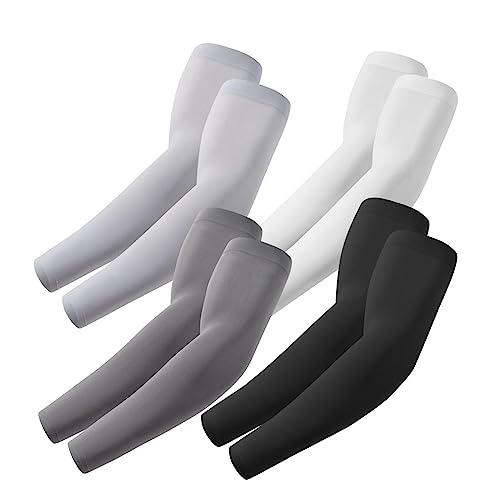
Compression sleeves target specific muscle groups—ideal for addressing particular problem areas like fatigued calves or sore shoulders after lap swimming. Full suits, however, provide comprehensive coverage and uniform compression across your entire body, making them perfect for total-body recovery after high-intensity training sessions or competitions. Your choice depends on whether you need targeted relief or full-body recovery support.
When to Wear Compression Gear for Maximum Effect
For optimal results, wear compression gear immediately after your swim workout when your muscles are still warm. Use them during 30-60 minute recovery periods between training sessions at swim meets to maintain muscle readiness. You’ll also benefit from wearing compression during travel to competitions, as it prevents blood pooling and reduces swelling during long periods of sitting. Many competitive swimmers incorporate compression during sleep after particularly demanding training days.
3. Massage Guns: Targeted Relief for Swimmer’s Shoulders
Relieve muscle pain and fatigue with the TOLOCO massage gun. It features 10 massage heads and a quiet, powerful motor for deep tissue relief at home or on the go.

Massage guns have become essential recovery tools for competitive swimmers dealing with the constant strain of repetitive stroke motions. These percussion devices deliver targeted relief exactly where swimmers need it most—particularly in those overworked shoulder muscles.
Percussion Therapy Benefits for Competitive Swimmers
Percussion therapy significantly reduces muscle soreness by breaking up tension in tight tissues. For swimmers, massage guns help clear lactate from muscles faster than passive recovery, similar to wearing compression gear. Studies show these devices improve blood flow and mobility between training sessions, allowing you to maintain proper technique and prevent overuse injuries in your swimming-specific muscle groups.
Best Techniques for Common Swimming Problem Areas
Apply your massage gun to swimmer’s shoulders by targeting the deltoids, rotator cuff muscles, and trapezius for 30-60 seconds per area. For upper back tension, use devices like the Theragun Wave Duo with its curved design to follow your spine’s natural contour. Connect with guided routines through apps like Therabody, which offers swimmer-specific recovery protocols. Combine percussion therapy with breathing exercises between sets for complete physical and mental recovery.
4. Recovery Slides and Footwear: Supporting Tired Feet
Experience ultimate recovery with OOFOS OOahh slides. OOfoam technology absorbs 37% more impact than traditional foam, while the patented footbed supports arches, reducing stress on feet, joints, and back.

How Recovery Slides Aid in Foot and Ankle Recovery
Recovery slides deliver essential support for swimmers’ feet after intense training sessions. They’re specifically designed to reduce swelling and inflammation through soft cushioning and targeted arch support that minimizes pressure on tired feet. Their unique structure promotes improved blood circulation, which accelerates recovery by reducing muscle fatigue. Recovery slides effectively alleviate soreness in the arches and heels, providing immediate relief from the foot strain that comes with deck walking between swimming sets. They’re also preventative, supporting feet with conditions like plantar fasciitis.
Top Features to Look For in Swimming Recovery Footwear
When selecting recovery footwear for swimming, prioritize breathability to keep feet dry after pool sessions. Look for lightweight designs that won’t add strain to already fatigued muscles. Superior cushioning is crucial for impact absorption and comfort, while enhanced arch support maintains proper posture and prevents overpronation. The best recovery slides offer immediate comfort with an easy slip-on design for post-workout relief. Durability matters too – choose slides that can withstand pool chemicals, frequent use, and wet environments to ensure they’ll support your recovery routine through multiple training cycles.
5. Contrast Bath Therapy: Hot and Cold Recovery Solutions
Contrast bath therapy harnesses the power of temperature extremes to accelerate muscle recovery after intense swimming sessions. This alternating hot-cold treatment stimulates blood circulation and reduces inflammation, making it particularly effective for competitive swimmers.
Setting Up an Effective Contrast Bath at Home
To create your contrast bath setup, you’ll need two containers—one with hot water (104°F-107°F) and another with cold water (50°F-55°F). Fill your bathtub with hot water and use a separate large bucket or container for cold water. Alternatively, use two separate tubs if available. Position them close together for quick transitions between temperatures to maximize the therapeutic effect.
Recommended Timing and Temperature Protocols
Start with 3-5 minutes in hot water to dilate blood vessels, then immediately switch to cold water for 1-2 minutes to constrict them. Repeat this cycle 3-5 times, always finishing with cold water to reduce inflammation. The entire protocol should take 15-20 minutes, with hot phases longer than cold phases. Adjust temperatures based on your comfort level while ensuring sufficient contrast for therapeutic benefits.
6. Nutrition and Hydration Tools: Fueling Post-Swim Recovery
Effective recovery for competitive lap swimmers extends beyond physical therapy—proper nutrition and hydration are equally crucial components. The right fueling tools can dramatically accelerate muscle repair and prepare your body for the next training session.
Smart Water Bottles for Optimal Hydration
Smartwater provides pure, crisp hydration with added electrolytes. This vapor-distilled premium water comes in a 100% recyclable bottle, perfect for on-the-go refreshment.

Smart water bottles are revolutionizing how swimmers track and maintain hydration levels during recovery. These tech-enabled bottles monitor your fluid intake and send timely reminders to drink, ensuring you reach the recommended 16-24 fluid ounces between sets. Many models feature built-in hydration tracking that syncs with your phone, helping you maintain optimal hydration status throughout intensive training cycles and preventing performance-limiting dehydration.
Recovery Protein Shakers and Supplements
Enjoy leak-proof protein shakes on the go with this 2-pack of 28oz shaker bottles. Each bottle includes a wire whisk for smooth mixing and easy cleaning.

NSF-certified protein powders mixed in dedicated shakers provide immediate muscle recovery benefits post-swim. Look for shakers with built-in mixers or blender balls that ensure clump-free protein delivery. For optimal recovery, consume 15-25g of protein within 30 minutes after training. Portable protein bars and gels offer convenient alternatives when you’re rushing between training sessions, delivering essential nutrients to repair muscle tissue damaged during intense lap work.
Sports Drinks and Electrolyte Replacements
Custom-blended sports drinks like the U.S. Masters Swimming Race-Day Blend offer superior recovery benefits compared to water alone. These formulations contain precise balances of calcium, chloride, magnesium, potassium, and sodium—electrolytes lost through sweat during vigorous swimming. For extended training sessions lasting over 60 minutes, replenishing with sports drinks helps prevent muscle cramping and performance degradation, especially when consumed during your workout and immediately afterward.
Portable Post-Swim Nutrition Options
Strategic post-swim nutrition requires planning and the right tools. Insulated food containers can keep recovery meals at optimal temperatures, while pre-portioned snack containers help you manage precise nutrient timing. Chocolate milk has gained popularity as an effective recovery drink, offering an ideal carbohydrate-to-protein ratio in a convenient package. Water-rich fruits stored in protective containers provide natural hydration alongside essential vitamins and antioxidants that combat exercise-induced inflammation.
Remember that recovery nutrition isn’t just about what you consume but when you consume it. Having these dedicated nutrition and hydration tools readily available in your swim bag ensures you never miss the critical post-exercise recovery window when your muscles are most receptive to nutrients.
7. Recovery Tracking Devices: Measuring and Optimizing Your Rest
Recovery tracking devices play a crucial role in helping competitive swimmers monitor and optimize their rest periods between training sessions.
How Wearable Tech Can Improve Recovery Cycles
Wearable technology like the FORM Swim Goggles, Apple Watch Series 8, and Garmin Swim 2 provide real-time metrics on your swimming performance and recovery needs. These devices track lap times, stroke efficiency, and heart rate variability—essential indicators of your body’s recovery status. Smart goggles paired with compatible smartwatches offer immediate feedback on split times and recovery intervals, allowing you to adjust rest periods based on actual physiological data rather than guesswork.
Using Data to Fine-Tune Your Training-Recovery Balance
Heart rate monitoring serves as your primary recovery indicator, helping you understand when your body has fully recovered from intense training. Systems like Phlex provide comprehensive training load analysis, enabling you to establish personalized training zones that balance intensity with adequate recovery time. The best recovery tracking apps integrate sleep and stress monitoring—critical factors that influence recovery quality. By analyzing this data consistently, you’ll identify optimal recovery patterns and prevent overtraining that leads to diminished performance and increased injury risk.
Conclusion: Creating Your Perfect Swim Recovery Routine
Investing in quality recovery tools is just as important as the hours you spend in the pool. By incorporating foam rollers compression gear massage guns recovery slides contrast baths smart hydration solutions and tracking devices into your post-swim routine you’ll maximize performance gains while minimizing injury risks.
Remember that recovery isn’t one-size-fits-all. Experiment with these tools to discover which combination works best for your body training intensity and competition schedule. The most effective recovery approach combines multiple modalities tailored to your specific needs.
Your dedication to recovery will ultimately determine how quickly you bounce back between sessions and how consistently you can perform at your peak level. Make these recovery tools part of your daily swimming routine and watch your competitive edge sharpen with every lap.
Frequently Asked Questions
Why is recovery important for competitive swimmers?
Recovery is crucial for swimmers because it prevents injuries, improves training outcomes, and helps avoid performance plateaus. Proper recovery allows muscles to repair and strengthen after intense training sessions, enabling swimmers to maintain consistent performance levels and progress in their training. Without adequate recovery, swimmers risk overtraining, chronic fatigue, and potential long-term injuries that could derail their competitive seasons.
What are foam rollers and how do they help swimmers?
Foam rollers are cylindrical tools that help alleviate muscle soreness through self-myofascial release. They benefit swimmers by increasing blood flow to muscles, reducing recovery time between sessions, improving muscle flexibility, and decreasing risk of overuse injuries. For optimal results, swimmers should roll each major muscle group for 30-60 seconds, focusing particularly on lats, shoulders, and calves—areas most affected by swimming movements.
When should swimmers wear compression gear?
Swimmers should wear compression gear immediately after workouts, during recovery periods at swim meets, while traveling to competitions, and potentially during sleep after demanding training days. Compression gear applies graduated pressure to muscles, boosting circulation and expediting recovery. This timing helps maintain muscle readiness, prevents swelling, and promotes faster clearance of metabolic waste from tired muscles.
How do massage guns benefit swimmers specifically?
Massage guns provide percussion therapy that targets the unique strain swimmers experience in shoulder muscles from repetitive stroke motions. This therapy reduces muscle soreness, improves blood flow and mobility, and helps prevent overuse injuries. Regular use allows swimmers to maintain proper technique by addressing tightness in key areas like the deltoids, rotator cuff muscles, and trapezius.
What features should I look for in recovery slides?
Look for recovery slides with breathability, lightweight design, superior cushioning, and enhanced arch support. Quality slides should have soft cushioning to reduce swelling and inflammation, targeted arch support for proper foot alignment, and durable materials that withstand pool chemicals. These features help alleviate soreness in arches and heels while promoting improved blood circulation after intense swim training.
How does contrast bath therapy work for swimmers?
Contrast bath therapy accelerates muscle recovery by alternating between hot and cold water immersion. This stimulates blood circulation and reduces inflammation. The recommended protocol involves starting with hot water (98-102°F) for 3-5 minutes, followed by cold water (50-60°F) for 1-2 minutes, repeating 3-5 times, and finishing with cold. This method helps flush out metabolic waste and reduce post-training muscle soreness.
Why is hydration tracking important for swimming recovery?
Hydration tracking is essential because swimmers lose significant fluids during training, even though they’re surrounded by water. Smart water bottles help track consumption to ensure swimmers meet their recommended intake, preventing dehydration that can impair recovery. Proper hydration supports nutrient transport to muscles, helps regulate body temperature, and maintains optimal performance during both training and recovery periods.
When should swimmers consume protein after training?
Swimmers should consume protein within 30 minutes after training to maximize recovery benefits. This timing takes advantage of the “anabolic window” when muscles are most receptive to nutrients that support repair and growth. Protein shakers and supplements make it convenient to consume 20-25 grams of high-quality protein immediately after training sessions, supporting muscle recovery and adaptation.
How can wearable technology improve recovery for swimmers?
Wearable technology improves recovery by providing objective data on physiological markers like heart rate variability, sleep quality, and training load. Devices such as FORM Swim Goggles, Apple Watch, and Garmin Swim 2 track performance metrics and recovery indicators, allowing swimmers to make data-driven decisions about rest periods. This prevents overtraining and helps identify optimal recovery patterns to enhance performance and reduce injury risk.
What are the signs of inadequate recovery in swimmers?
Signs of inadequate recovery include persistent muscle soreness lasting more than 72 hours, declining performance despite consistent training, increased resting heart rate, disturbed sleep patterns, decreased motivation, and frequent minor illnesses. Swimmers experiencing these symptoms should consider extending recovery periods, adjusting training intensity, and implementing additional recovery tools such as compression gear, contrast therapy, or massage devices.