

6 Best Swim Belts For Deep Water For Aquatic Fitness
Boost your aquatic workouts with our top 6 swim belts. Discover the best buoyancy tools for deep-water fitness, ensuring comfort, stability, and performance.
Stepping into the deep end of the pool for a workout offers a unique combination of weightlessness and intense resistance that land-based exercise simply cannot replicate. Using a high-quality swim belt transforms this environment into a personal gym, allowing you to focus entirely on your form without the distraction of trying to stay afloat. Whether you are recovering from an injury or looking to push your cardiovascular limits, the right gear is the foundation of a successful session.
Disclosure: As an Amazon Associate, this site earns from qualifying purchases. Thank you!
Benefits of Deep Water Aquatic Fitness Training
Deep water training is the gold standard for low-impact conditioning because it suspends your body, effectively eliminating the compressive forces on your joints. By utilizing the natural buoyancy of the water, you can perform high-intensity interval training or steady-state cardio without the jarring impact of running on pavement. This makes it an ideal environment for those managing chronic pain or individuals looking to extend their athletic longevity.
Beyond joint health, the water provides 360-degree resistance, meaning every movement—whether you are kicking, sculling, or running—engages your muscles more effectively than air-based training. You are constantly working against the fluid density, which builds functional strength and improves core stability simultaneously. It is a highly efficient way to burn calories while improving your overall range of motion.
AquaJogger Classic: Best for Overall Stability
The AquaJogger Classic is the industry benchmark for a reason, offering a contoured design that sits comfortably against the lower back without slipping. Its closed-cell foam construction provides consistent, reliable buoyancy that keeps your head well above water, even during high-intensity intervals. If you are a beginner or someone who needs a "set it and forget it" piece of equipment, this is the gold standard.
Because it is shaped to fit the natural curve of the human torso, it won’t impede your arm movements or cause chafing during long sessions. It provides a stable platform that allows you to focus on your stride rather than fighting to maintain your vertical position. If you want a belt that just works every single time you hit the pool, look no further than the Classic.
Speedo Aqua Fit Belt: Best for Core Resistance
Enhance your swim workouts with this chlorine-resistant foam belt, perfect for cross-training and injury rehabilitation. The adjustable quick-release belt fits waist sizes 25"-56".
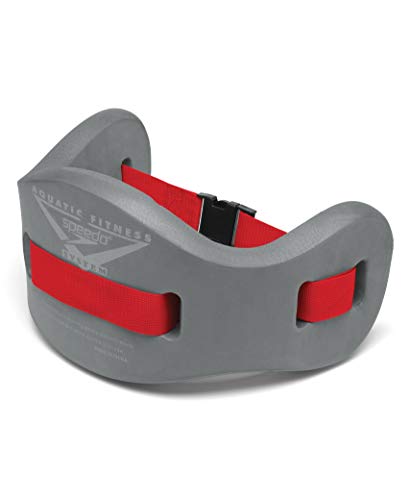

If your primary goal is to turn your water workout into a core-shredding session, the Speedo Aqua Fit Belt is an excellent choice. It is designed with a slightly more streamlined profile that encourages a more upright, active posture, forcing your abdominal muscles to engage to maintain balance. It provides enough support to keep you afloat but demands more active participation from your stabilizer muscles than bulkier options.
This belt is perfect for those who have moved past the "learning to float" phase and are ready to dial up the intensity of their workouts. The resistance it offers is subtle yet persistent, making it ideal for deep-water crunches or flutter kicks. If you want a belt that challenges your midsection while you move, this is the one for you.
TYR Hydro-Resistance Belt: Best for Speed Drills
Build strength and endurance with this stationary swim trainer. The adjustable belt fits waists 27-40 inches and tethers to any stationary object, perfect for improving all swimming strokes.

The TYR Hydro-Resistance Belt is engineered for the athlete who wants to move fast and transition quickly between different drills. Its sleek, low-profile design minimizes drag, allowing for rapid leg turnover during sprint intervals or high-tempo jogging. Because it doesn’t have the bulk of traditional foam belts, it feels more like a natural extension of your body.
This belt is best suited for experienced aquatic fitness enthusiasts or swimmers who incorporate deep-water training into their competitive conditioning. It won’t provide the same "lazy" float as a thick foam belt, so be prepared to put in the work to stay buoyant. If your workout involves explosive movements and rapid direction changes, this is your best bet.
Beco Be-Belt: Best for Targeted Buoyancy Needs

The Beco Be-Belt stands out for its modular approach, often featuring adjustable or removable foam segments that allow you to customize your level of lift. This is a game-changer for people who find that standard belts either push their hips too high or don’t provide enough support for their specific body type. Being able to shift the buoyancy to where you need it most creates a much more balanced experience.
This versatility makes it a fantastic choice for those who are rehabilitating an injury and need to adjust their posture to protect specific areas of the body. It is also a great investment for households where multiple people of different sizes might share the same piece of equipment. If you value customization and precision, the Beco Be-Belt is the clear winner.
WaterGear Foam Jogger: Best for Joint Support
When you need maximum lift to keep your feet completely off the pool floor, the WaterGear Foam Jogger offers superior, thick-density foam support. The extra material creates a higher degree of buoyancy, which is essential for those who are heavier or who need to ensure they are not touching the bottom during their workout. It creates a "locked-in" feeling of security that is very reassuring for those new to deep-water exercise.
The design is straightforward and durable, focusing on keeping you vertical and comfortable for long durations. While it may feel a bit bulky compared to performance-oriented belts, the trade-off is an unparalleled sense of stability. If your main concern is keeping your joints protected and staying fully suspended, this is the reliable choice.
Kiefer Premier Belt: Best for Heavy-Duty Use
The Kiefer Premier Belt is built for the rigors of frequent, daily use in commercial or club settings. It features high-quality, tear-resistant foam and heavy-duty buckles that are designed to withstand constant exposure to chlorine and UV rays. If you are someone who hits the pool five or six days a week, you need a belt that won’t degrade after a few months of heavy service.
It offers a balanced level of buoyancy that works well for a wide range of body types, making it a versatile "workhorse" belt. While it might lack the specialized features of niche belts, its reliability and longevity are unmatched. For the dedicated aquatic athlete who wants a belt that will last for years, the Kiefer Premier is a solid, long-term investment.
Selecting the Right Belt Size and Material Type
When selecting a belt, the most critical factor is the fit around your waist to prevent the belt from riding up toward your armpits. Most belts use an adjustable strap system, but you should always ensure the foam portion covers the small of your back comfortably. A belt that is too large will shift constantly, while one that is too small may pinch or restrict your breathing.
Material-wise, look for high-density, closed-cell EVA foam, which is the industry standard for durability and water resistance. Closed-cell foam does not absorb water, meaning your belt won’t become heavy or waterlogged after an hour of exercise. Avoid cheap, open-cell foams that can hold bacteria and lose their buoyancy over time.
Tips for Proper Deep Water Posture and Form
Maintaining proper form in deep water is all about vertical alignment, keeping your shoulders back and your core engaged. Avoid the common mistake of leaning too far forward, which can strain your lower back and pull your legs out of the optimal position. Imagine a string pulling the top of your head toward the ceiling; this mental cue helps keep your spine neutral.
Your leg movements should be fluid and controlled, mimicking your natural walking or running stride, rather than frantic, short kicks. Focus on pushing the water away with your feet and maintaining a steady rhythm. If you find your hips floating too high, engage your core slightly more to pull your center of gravity back into alignment.
Maintaining Your Gear for Long-Term Durability
The secret to a long-lasting swim belt is simple: rinse it thoroughly with fresh water after every single session. Chlorine is incredibly harsh and will eventually cause the foam to become brittle and the straps to lose their elasticity if left to dry on the gear. A quick rinse removes the chemical residue that leads to premature degradation.
Once rinsed, store your belt in a cool, shaded area away from direct sunlight. UV rays are just as damaging as chlorine and can cause the foam to crack or fade over time. Never leave your belt in the trunk of your car or on a hot pool deck; treat it like any other piece of high-performance athletic equipment to ensure it remains safe and effective.
Deep water aquatic fitness is a transformative practice that offers a unique blend of challenge and relief for your body. By choosing the right belt for your specific goals and maintaining it with care, you are setting yourself up for years of successful, injury-free workouts. Dive into the deep end with confidence, knowing you have the right support to make every splash count.
