

6 Fly Fishing Fly Tying Materials For Flies For Beginners
Master fly tying with these six essential materials. This guide helps beginners select the right supplies to build effective flies and improve their skills.
There is a unique, meditative satisfaction in watching a trout rise to a fly you crafted at your own workbench. While the world of fly tying can feel overwhelming with thousands of materials, you only need a handful of reliable staples to start catching fish. Mastering these core components will build the foundation for a lifetime of successful days on the water.
Disclosure: As an Amazon Associate, this site earns from qualifying purchases. Thank you!
Essential Tools for Fly Tying Beginners
You do not need a professional-grade studio to start, but you do need tools that don’t fight you. A decent rotary vise, a sharp pair of ceramic-blade scissors, and a reliable bobbin holder are your non-negotiables. If your tools are dull or flimsy, you will spend more time struggling with frustration than actually tying flies.
Invest in a quality bobbin that won’t fray your thread and a pair of scissors capable of cutting both fine hair and tough wire. Avoid the ultra-cheap starter kits found in big-box stores, as they often contain tools that break after a few uses. Start with a modest, high-quality set, and you will find your learning curve is much flatter.
Wapsi Fly Tying Thread for Beginners


When you are learning, you need a thread that is forgiving, strong, and lays flat on the hook shank. Wapsi’s UTC thread series is the industry standard for a reason. It doesn’t build up excess bulk, which is a common mistake beginners make that ruins the proportions of a fly.
I recommend starting with 140-denier for larger streamers and 70-denier for dry flies and nymphs. This thread is incredibly consistent, meaning you won’t deal with unexpected snapping while you are trying to secure a wing or hackle. If you want a product that takes the guesswork out of tension and durability, Wapsi is the only choice you need to make.
Hareline Dubbin Rabbit Strips Material

Rabbit strips are a game-changer for movement in the water, providing a pulsing, life-like action that fish find irresistible. They are essential for tying streamers, which are often the most productive flies for beginners targeting bass or trout. The way the hide breathes in the current is something synthetic materials simply struggle to replicate.
These strips are perfect for those who want to see immediate results in their catch rate. They are easy to wrap around a hook shank and are surprisingly durable against toothy fish. If you want to tie flies that actually "swim" rather than just sit there, grab a few packs of Hareline rabbit strips immediately.
Whiting Farms Rooster Capes for Hackle
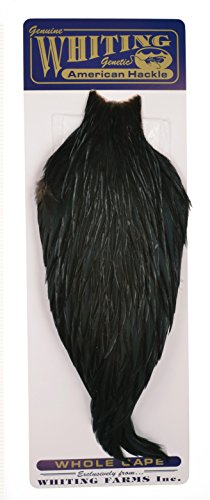
Hackle is the primary material used to create the legs and wings of dry flies, allowing them to float high on the surface. Whiting Farms is the gold standard here, offering feathers with stiff, web-free barbs that won’t collapse when they hit the water. While they are an investment, one cape will provide enough material to tie hundreds of flies.
Beginners often try to save money on cheap, floppy hackle, only to find their flies sinking immediately. Do not make this mistake; a high-quality Whiting cape ensures your fly stays on the surface where the fish can see it. If you are serious about dry fly fishing, this is the one piece of gear where you should spend the extra money.
UTC Ultra Wire for Weight and Flash

Adding wire to your flies serves two purposes: it provides necessary weight to get your fly down to the fish, and it adds a subtle, attractive flash. UTC Ultra Wire is easy to work with, wraps tightly around the hook, and doesn’t kink or break easily. It is the perfect tool for reinforcing the bodies of nymphs, ensuring they hold up against rocks and aggressive strikes.
Using wire is a simple way to add depth and realism to your patterns. It is incredibly user-friendly for those just starting out because it stays exactly where you put it. If you want your flies to be both durable and effective at reaching deeper water, UTC Ultra Wire is a mandatory addition to your kit.
Hareline Ice Dub for Streamer Bodies

Ice Dub is a synthetic material that catches the light and adds a brilliant, fish-attracting shimmer to any pattern. It is incredibly versatile, as you can use it to create bulky streamer bodies or tease it out to make buggy-looking nymphs. Because it is synthetic, it is also much easier to work with than natural furs for those still developing their hand-eye coordination.
This material is perfect for the beginner who wants to experiment with color and flash without needing a degree in entomology. It is forgiving to apply and provides a professional look to even the simplest fly designs. If you want your flies to stand out in murky or deep water, Hareline Ice Dub is your best friend.
Daiichi 1130 Hooks for Basic Flies
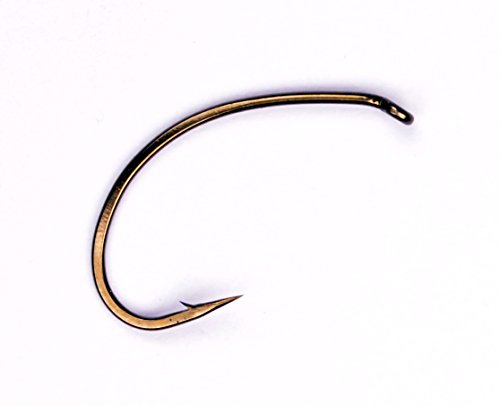
Your hook is the most important link between you and the fish, so never compromise on quality. The Daiichi 1130 is a classic, versatile hook that is perfect for a wide range of nymphs and wet flies. They are incredibly sharp right out of the package, which drastically increases your hook-up ratio on the water.
These hooks are robust enough to handle a decent-sized fish but fine enough to ensure your fly doesn’t look like a piece of rebar. They are the ideal "workhorse" hook for anyone learning the craft. If you want to ensure that your hard work at the vice isn’t wasted by a hook that bends or breaks, stick with the Daiichi 1130.
Selecting Quality Vises and Scissors
Your vise is the heart of your tying station, and it needs to hold the hook rock-solid without marring the finish. Look for a cam-operated vise that allows you to swap hooks quickly and easily. While you don’t need a $500 model, avoid the bargain-bin options that allow your hook to wiggle while you are tying.
Equally important are your scissors; keep one pair for cutting wire and a separate, dedicated pair for fine hair and feathers. Using the same scissors for wire will dull them instantly, making them useless for delicate work. Treat your tools with respect, and they will provide you with decades of reliable service.
Proper Storage for Fly Tying Materials
Fly tying materials can quickly become a chaotic mess of feathers, fur, and flash if you don’t have a system. Use clear, stackable plastic bins or dedicated fly tying organizers to keep your materials visible and protected from dust. Sorting by type—feathers in one bin, synthetics in another—will save you hours of searching when you are in the middle of a project.
Always store natural materials like capes and rabbit strips in sealed bags with cedar or moth-repellent to prevent pest damage. A clean workspace leads to a clear mind, which is essential for the focus required to tie intricate patterns. If you keep your materials organized, you will find yourself sitting down to tie much more often.
Mastering Basic Fly Tying Techniques
The most important technique for any beginner is learning to control your thread tension. Too loose, and your materials will spin around the hook; too tight, and you will snap the thread. Practice your "thread wraps" until you can cover the entire hook shank with a smooth, even layer of thread without any lumps.
Once you master the basics of tying in materials and finishing with a whip finish, the world of fly patterns opens up to you. Don’t be afraid to fail or create "ugly" flies at first, as every mistake teaches you something about how materials behave. Focus on the fundamentals, be patient with your progress, and you will eventually be tying flies that out-fish anything you could buy in a shop.
Fly tying is a journey of patience, creativity, and connection to the waters we love to explore. By starting with these six essential materials and focusing on quality tools, you are setting yourself up for success on every cast. Keep your bench organized, practice your technique, and enjoy the rewarding process of bringing your own flies to life.
