6 Anchor Kits For Small Boats That Ensure Stability
Secure your vessel with our top 6 anchor kits. Discover reliable options designed to provide maximum stability and safety for your small boat in any waters.
There is nothing quite like the peace of drifting on a quiet cove, but that tranquility vanishes the moment your boat starts dragging toward the shore. Choosing the right anchor kit is the single most important step in turning a stressful day of fighting the current into a relaxing afternoon on the water. With the right gear secured to your bow, you can focus on the horizon rather than worrying about your boat’s position.
Disclosure: As an Amazon Associate, this site earns from qualifying purchases. Thank you!
Understanding Anchor Types for Small Watercraft
Anchor selection is never a one-size-fits-all endeavor because the bottom of your local lake or bay dictates the physics of your hold. You have to match the anchor’s geometry to the seabed, whether it is soft silt, loose sand, or jagged rock. Using the wrong type is like trying to hammer a nail with a screwdriver; you might eventually get the job done, but you are going to be frustrated and potentially unsafe.
Most small boaters gravitate toward four main categories: fluke, claw, grapnel, and mushroom anchors. Fluke anchors are the general-purpose workhorses, while grapnels are specialized tools for avoiding snags in rocky terrain. Understanding these distinctions ensures you aren’t just carrying extra weight, but rather a reliable safety tool that works when the wind kicks up.
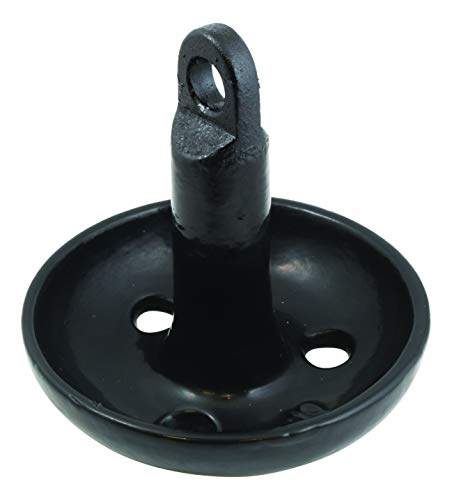
Secure your lightweight boat with this durable 8-pound cast iron mushroom anchor. Its wide mushroom cup provides reliable holding power in mud and weeds, while the black PVC coating offers added protection.

Factors for Selecting the Ideal Anchor Kit
When building your kit, prioritize the total weight of your boat and the specific environment where you spend your time. A common mistake is buying the lightest anchor possible to save space, but an undersized anchor will simply skip along the bottom instead of digging in. You should always aim for an anchor that meets or exceeds the manufacturer’s weight recommendations for your specific vessel length and displacement.
Beyond the anchor head itself, the composition of your rode—the line and chain connecting the boat to the anchor—is critical. A short length of galvanized chain attached directly to the anchor acts as a "weighting" mechanism, keeping the shank flat against the bottom so the flukes can penetrate. Without that chain, your anchor will likely pull out of the seabed the moment the wind shifts.
Fortress Marine FX-7: Best Aluminum Anchor Kit
Get superior holding power with the Fortress FX-7 anchor. Its lightweight, rustproof aluminum-magnesium alloy design disassembles easily for convenient storage.

The Fortress FX-7 is the gold standard for boaters who want high holding power without the rust-prone weight of traditional steel. Because it is constructed from a high-tensile aluminum-magnesium alloy, it is remarkably easy to haul up by hand, making it perfect for smaller skiffs or center consoles. Its adjustable fluke angles allow you to tune the anchor for deeper penetration in soft mud, which is a feature rarely found in budget models.
If you frequently trailer your boat and want to keep your bow light, this is the anchor for you. It performs exceptionally well in sand and mud, offering a strength-to-weight ratio that makes other anchors look archaic. This is a premium investment, but for those who value ease of deployment and corrosion resistance, it is undeniably the best choice on the market.
Lewmar Claw Anchor: Best for Soft Bottoms

The Lewmar Claw is a powerhouse of reliability, designed specifically to set quickly and reset automatically if the wind changes direction. Its unique shape allows it to bury itself deep into soft, silty bottoms where other anchors might just drag across the surface. Because it lacks moving parts, it is incredibly durable and holds up well under the abuse of frequent use.
This anchor is the ideal companion for weekend cruisers who frequent estuaries or sandy bays. It doesn’t require a precise technique to set; you simply lower it, let out the proper amount of scope, and it does the heavy lifting for you. If you want a "set it and forget it" solution, the Lewmar Claw is your most dependable partner.
Danielson Grapnel Anchor: Best for Rocky Areas

If your local waters are littered with submerged boulders or thick vegetation, a traditional fluke anchor will likely get permanently wedged. The Danielson Grapnel anchor solves this by using four folding tines that are designed to hook onto rocks rather than bury into sand. Its compact, folding design makes it a favorite for kayak anglers and small jon boat owners who have limited storage space.
However, keep in mind that this anchor relies on snagging, not suction, so it isn’t ideal for loose sand or deep mud. It is strictly a tool for rocky bottoms or areas with heavy debris. If you are tired of losing anchors to the bottom of the lake, this is the specialized gear you need.
Slide Anchor Box Anchor: Best for Sand Bars
The Slide Anchor Box Anchor is a game-changer for those who spend their days lounging at sand bars or crowded beaches. Unlike traditional anchors that require a long scope of line, this box-shaped design digs in almost vertically, allowing you to anchor in tight spaces without swinging into other boats. It is heavy, stable, and virtually impossible to dislodge once it’s set, even in strong currents.
This is the ultimate choice for the social boater who wants to park securely in high-traffic areas. While it is bulkier than a fluke anchor, the peace of mind it provides when the beach is crowded is worth every extra pound. If you prioritize stability and space-saving anchoring in sandy environments, this is the top-tier solution.
Mantus Marine Dinghy Anchor: Top Performance
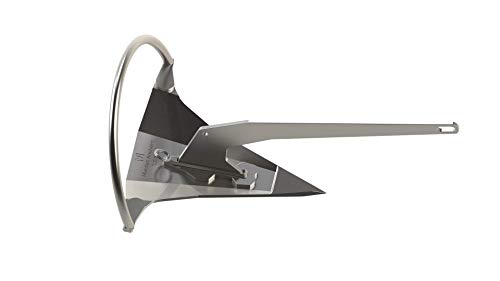
The Mantus Dinghy Anchor is engineered with the same high-performance geometry as its larger cruising counterparts, scaled down perfectly for small watercraft. It features a sharp, weighted nose that ensures it bites into the seabed immediately upon contact, even in challenging conditions. It is remarkably effective at holding in a wide variety of substrates, from soft mud to hard-packed sand.
For the boater who refuses to compromise on safety, the Mantus is the clear winner. It is a bit more expensive than basic models, but the performance gap is noticeable the moment you deploy it. If you want an anchor that provides maximum security for your dinghy or small tender, look no further.
Seachoice Mushroom Anchor: Best for Calm Lakes

The Seachoice Mushroom Anchor is the classic choice for small inflatables, canoes, and rowboats in calm, protected waters. Its simple, rounded design creates a suction effect in soft, muddy bottoms, making it very effective for light-duty anchoring. It is inexpensive, easy to store, and won’t scratch the finish of your boat if it bumps against the hull.
This anchor is not designed for open water or high winds, so keep your usage limited to quiet coves and small ponds. It is perfect for the casual angler who just needs to stay put while casting in a sheltered area. If your boating style is relaxed and local, this is the most cost-effective and practical anchor you can own.
Proper Techniques for Setting Your Anchor
Setting an anchor is as much about technique as it is about the gear itself. Once you have arrived at your spot, bring your boat to a complete stop—or better yet, let it drift slightly backward—before lowering the anchor. Never just drop it in a pile; lower it until it hits the bottom and then slowly back away to ensure the line is taut and the anchor has properly dug in.
The most critical concept here is "scope," which is the ratio of the length of the anchor line to the depth of the water. For most situations, a 7:1 ratio is the gold standard for safety, meaning if you are in 10 feet of water, you should have 70 feet of line out. This angle ensures the pull is horizontal, which keeps the anchor biting into the seabed rather than pulling out.
Maintaining Your Anchor Kit for Longevity
Even the best anchors will fail if the line is frayed or the shackles are rusted. At the start of every season, inspect your anchor rode for signs of wear, especially near the connection points where the line rubs against the anchor shank. A small amount of preventative maintenance, like rinsing your anchor with fresh water after a day in salt, will prevent corrosion and extend the life of your equipment significantly.
Keep your anchor and chain in a dedicated, self-draining locker to prevent standing water from causing rust or mold. If you notice any deep scratches in the coating of your anchor, touch them up with a cold-galvanizing spray to stop rust before it starts. By treating your anchor kit as a vital piece of safety equipment rather than just a heavy weight, you ensure it will be ready to perform whenever you need it.
Investing in a quality anchor kit is the best way to ensure that your time on the water remains focused on fun rather than recovery. By matching your anchor type to your specific environment and maintaining your gear with care, you gain the confidence to explore new spots with ease. Stay safe, respect the currents, and enjoy the stability that comes with being properly anchored.