6 Best Waterproof Power Banks For Charging Outdoor Gear
Stay powered in any weather. Discover our top six waterproof power banks designed to keep your essential outdoor gear charged during rugged wilderness trips.
There is nothing quite like capturing the perfect sunset from a kayak or navigating a remote shoreline with GPS, but a dead battery can turn a dream day into a logistical nightmare. When you are surrounded by water, standard electronics become liabilities that demand specialized protection. These six power banks ensure your essential gear stays charged while you focus on the horizon rather than your battery percentage.
Disclosure: As an Amazon Associate, this site earns from qualifying purchases. Thank you!
Why Waterproof Power Is Vital for Water Sports
When you are out on the water, you aren’t just battling splashes; you are dealing with high humidity, condensation, and the constant risk of total submersion. A standard power bank is essentially a paperweight once moisture enters its circuitry, leading to short circuits or permanent failure. Having a waterproof power source is the difference between having a lifeline for emergencies and being left stranded without navigation or communication.
Beyond the obvious risk of dropping gear overboard, environmental exposure takes a silent toll on equipment. Salt air is notoriously corrosive, and constant temperature shifts near water can lead to internal moisture buildup in non-sealed devices. Investing in waterproof power ensures that your gear is shielded from these invisible threats, keeping your electronics operational throughout the entire season.
Choosing Reliable Power Banks for Wet Environments
When shopping for a waterproof power bank, the IP (Ingress Protection) rating is your most important metric. Look for a minimum of IP67, which indicates the device is dust-tight and can survive temporary immersion in water. Anything less might handle a light drizzle, but it won’t survive a tumble into the lake or a rogue wave over the side of your boat.
Consider the physical build and port protection as well. A rubberized exterior not only provides grip when your hands are wet but also adds a necessary layer of shock absorption for rocky shorelines. Ensure that the charging ports are covered by a high-quality, snug-fitting silicone seal; if the port cover feels flimsy or loose, moisture will eventually find its way in.
Goal Zero Venture 75: Best for Rugged Adventures
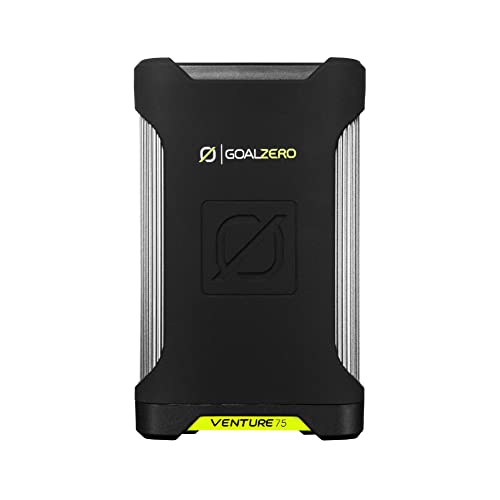

If your idea of a weekend involves whitewater or heavy-duty expedition paddling, the Goal Zero Venture 75 is your go-to companion. It is built like a tank with a reinforced, rubberized shell that handles drops on river rocks without flinching. Its IP67 rating is genuine, meaning you can confidently toss it in a dry bag or strap it to a deck without worrying about the occasional splash.
While it is heavier than your average power bank, that weight is a testament to its durability and capacity. It provides enough juice to charge a smartphone several times over, which is perfect for multi-day trips where power outlets are non-existent. If you prioritize extreme durability over portability, this is the absolute standard for your kit.
Anker 335 Power Bank: Reliable Daily Water Choice

The Anker 335 is the ideal choice for the casual recreationalist who spends time at the beach or on a local lake. It strikes a fantastic balance between a compact form factor and enough capacity to keep a camera and phone running all day. It isn’t built for deep-sea diving, but its splash-resistant design handles the occasional wave or spilled drink with ease.
This power bank is perfect for someone who wants high-speed charging without the bulk of a heavy-duty tactical unit. It slips easily into a pocket or a small waterproof pouch, making it the most convenient option for day trips. If you need a reliable, everyday workhorse that won’t weigh down your gear bag, the Anker 335 is the one to pick.
Nitecore NB10000 Gen2: Best Lightweight Solution

Weight is the enemy of the long-distance hiker or the ultralight kayaker, and the Nitecore NB10000 Gen2 solves this perfectly. By utilizing a carbon fiber frame, it manages to be incredibly light while maintaining a high energy density. It is specifically designed for those who count every gram but still need a reliable power source in damp environments.
The slim profile allows it to fit into tight spaces where larger, blockier power banks simply won’t go. While it lacks the heavy-duty rubber armor of other models, its construction is impressively splash-resistant and tough. If you are a minimalist who refuses to sacrifice performance for weight savings, this is your best bet.
MyCharge Adventure H2O: Top Floating Power Bank
There is a distinct peace of mind that comes with knowing your gear won’t sink to the bottom of the lake if it slips from your grasp. The MyCharge Adventure H2O is designed specifically to float, making it a favorite for paddleboarders and those who frequent deep water. It features a rugged, textured exterior that is easy to hold onto even when your hands are slick with water.
This device is intentionally built for the "oops" moments that happen on the water. Beyond its buoyancy, it offers solid charging speeds and a durable build that stands up to the rigors of outdoor use. If you are prone to dropping things in the water or spend most of your time on deep, open water, this is the most sensible investment you can make.
Renogy 10000mAh Solar Power: Best Sun-Powered Pick

For those embarking on extended excursions where you won’t see a wall outlet for days, the Renogy 10000mAh Solar Power bank is a game-changer. It integrates a solar panel to trickle-charge the unit while you are out on the water, giving you an infinite energy loop if you are patient. It is a robust, well-sealed unit that handles the harsh sun and spray of the open water quite well.
It is important to remember that solar charging is a supplement, not a replacement for a full wall charge before you leave. However, for maintaining your battery levels while trekking or paddling, it provides that extra cushion of power. If you are planning off-grid adventures where every percentage point of battery life counts, this solar-equipped option is essential.
Shellbox Waterproof Charger: Best Budget Option

Not everyone needs a professional-grade unit for their occasional weekend trip to the local reservoir. The Shellbox offers a great entry point into waterproof charging, providing solid protection against splashes and dust at a very accessible price point. It covers the basics well and keeps your phone alive without requiring a significant financial commitment.
While it lacks the high-end material construction of more expensive models, it is perfectly adequate for standard recreational use. It is a practical, no-nonsense solution for someone who wants to stay safe and charged on a budget. If you are just starting to build your water-ready kit, the Shellbox is a smart, low-risk starting point.
Essential Safety Tips for Charging Near Water
Always charge your devices inside a dry bag or a dedicated waterproof compartment whenever possible. Even with a waterproof power bank, the device you are charging—like your phone or GPS—is likely not waterproof. Never leave cables dangling in the water or exposed to direct spray, as salt and minerals can cause rapid corrosion at the connection points.
Furthermore, avoid charging in direct sunlight for extended periods, as batteries are sensitive to high temperatures. Heat can degrade the capacity of your power bank and, in extreme cases, cause the lithium-ion cells to become unstable. Keep your charging setup in the shade and ensure there is adequate airflow to prevent overheating.
Maintaining Your Gear for Longevity and Safety
After every trip, take a moment to rinse your power bank with fresh water if it has been exposed to salt or mud. Salt is particularly aggressive and will eat away at port covers and charging pins if left to dry. Once rinsed, pat the unit dry with a microfiber cloth and leave the port covers open in a cool, shaded area to ensure all moisture evaporates.
Regularly inspect your cables and the port seals on your power bank for any signs of cracking or debris. A damaged port cover is an open door for water, effectively nullifying your IP rating. By keeping your gear clean and checking it periodically, you ensure that it remains a reliable partner for your future water adventures.
Investing in the right waterproof power bank is a commitment to your own safety and the longevity of your outdoor gear. By choosing a device that matches your specific activity—whether it’s floating on a calm lake or navigating rugged river currents—you can enjoy your time on the water with total peace of mind. Stay charged, stay safe, and enjoy every moment on the water.