

6 Aqua Jogging Barbell Flotation Devices for Rehab
Discover 6 top aqua jogging barbells for effective rehabilitation. Learn how these flotation devices improve buoyancy, muscle recovery, and aquatic therapy.
Recovering from an injury often feels like a slow, frustrating crawl back to normalcy, but the water offers a unique path to healing. By utilizing the buoyancy and resistance of an aquatic environment, you can offload your joints while still keeping your muscles engaged. Integrating foam barbells into your routine transforms a simple walk in the pool into a comprehensive, low-impact rehabilitation session.
Disclosure: As an Amazon Associate, this site earns from qualifying purchases. Thank you!
Understanding Aqua Jogging for Injury Recovery
Aqua jogging is essentially mimicking a running motion while suspended in deep water, typically with the help of a flotation belt. By removing the impact forces of gravity and hard surfaces, you allow your bones and connective tissues to rest while your cardiovascular system continues to work. It’s the gold standard for athletes returning from stress fractures or chronic joint inflammation.
Enjoy low-impact water exercise with this supportive flotation belt. The adjustable strap ensures a comfortable, custom fit for aquatic activities like aerobics and jogging.


The magic happens when you add resistance tools like foam barbells to this motion. While the belt keeps you buoyant, the barbells force your upper body to stabilize against the water’s density. This dual approach ensures that you aren’t just resting an injury, but actively maintaining strength throughout the recovery window.
Benefits of Using Foam Barbells in the Pool

Foam barbells function differently than traditional iron weights because they provide buoyancy-based resistance. Instead of fighting gravity, you are pushing against the water’s natural urge to float the equipment back to the surface. This creates a smooth, constant tension that is incredibly gentle on recovering muscles.
Beyond simple resistance, these tools force your core to engage to maintain balance. Every time you push or pull the barbell through the water, your midsection must fire to prevent you from rotating or tipping. It’s an efficient way to build functional stability without the risk of heavy-weight training.
Speedo Aqua Jogger Barbells for Core Stability
If you are looking for a reliable, entry-level option, the Speedo Aqua Jogger Barbells are a fantastic starting point. Their design focuses on providing moderate resistance that doesn’t overwhelm the user, making them ideal for those in the early stages of physical therapy. The foam density is consistent, which helps you maintain a predictable movement pattern during your sets.
I recommend these for anyone who needs a straightforward tool to assist with balance and posture. They aren’t designed for heavy-duty strength building, but for someone needing to reconnect their core and shoulder stability, they are perfect. If you want a dependable, no-frills tool to get you moving again, these are your best bet.
Hydro-Fit Aquatic Dumbbells for Joint Support
Hydro-Fit dumbbells are engineered with a focus on ergonomics, featuring a grip that feels more natural for long-duration therapy sessions. The shape of the foam allows for a wider range of motion, which is crucial if you are working on regaining mobility in the rotator cuff or elbows. They provide a slightly higher level of resistance than basic models, allowing for a more progressive rehab plan.
Enhance your aquatic workouts with these durable, variable resistance bells. The 3D design provides effective upper body isokinetic exercise, and the hi-impact polypropylene construction resists chlorine and UV damage.

These are the right choice for individuals who have progressed past the initial inflammation phase and are ready to start rebuilding muscle mass. They feel substantial in the water and provide the feedback necessary to ensure you are working your muscles correctly. If you are serious about a structured recovery program, invest in these.
Kiefer Water Fitness Barbells for Resistance

Kiefer has been a staple in aquatic fitness for years, and their barbells reflect a commitment to high-density foam that resists water absorption over time. This is a major plus, as cheaper foam can become waterlogged and lose its buoyancy, throwing off your workout intensity. The resistance profile here is higher, making them better suited for those who are further along in their recovery.
If you are looking for a piece of equipment that will last through months of daily therapy, look no further. They are robust and provide a consistent, high-resistance workout that will challenge your upper body. Skip these if you are in the very early stages of healing, as the resistance might be too taxing on sensitive joints.
AquaJogger DeltaBells for Targeted Rehab
The DeltaBell design is unique because of its triangular shape, which allows for more varied water displacement. By rotating your wrist or changing the angle of the bell, you can significantly alter the resistance level without needing to switch equipment. This makes them incredibly versatile for physical therapy routines that require specific, isolated movements.
These are ideal for someone working with a physical therapist who has prescribed a wide variety of movement patterns. They offer the most precision of any tool on this list. If your rehab requires nuanced, multi-directional resistance, the DeltaBells are the superior choice.
TYR Aquatic Resistance Barbells for Strength
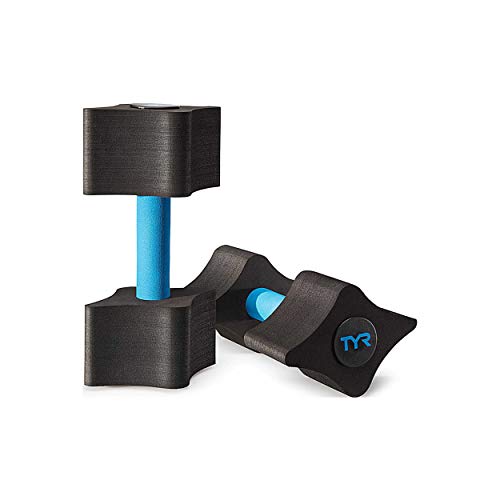
TYR is known for performance-oriented gear, and their barbells are no exception, offering a sleek design that minimizes drag when moving through the water. They are built for those who want to transition from rehab into a more aggressive strength-training phase. The foam is firm and provides excellent feedback, which is helpful for maintaining proper form.
I suggest these for the active athlete who is itching to get back to full-intensity training. They are durable, professional-grade, and handle high-speed movements better than softer foam alternatives. If you are looking to bridge the gap between "rehab" and "performance," these are the tools you want in your bag.
Aquabells Water Weights for Travel Convenience

The defining feature of Aquabells is their modular design; they are empty when you travel and can be filled with water once you reach the pool. This is a game-changer for anyone who travels for work or pleasure but needs to stick to a strict rehab schedule. While they don’t offer the same foam-buoyancy resistance as the others, they are perfect for maintaining consistency on the road.
These are not meant to replace your primary, high-buoyancy foam barbells at home. However, they are an essential tool for the dedicated individual who refuses to let travel derail their recovery. If you are frequently on the move, these provide the only practical solution for staying on track.
Selecting the Right Buoyancy for Your Needs
Choosing the right equipment isn’t just about the brand; it’s about matching the buoyancy to your current physical capabilities. As a general rule, start with lower-buoyancy foam if you are still experiencing pain or restricted range of motion. You can always increase the resistance as you get stronger, but starting too heavy can lead to compensatory movements that may aggravate your injury.
- Low Buoyancy: Best for early-stage recovery and range-of-motion work.
- Medium Buoyancy: Ideal for general strengthening and core stabilization.
- High Buoyancy: Designed for advanced strength building and high-intensity intervals.
Safety Tips for Effective Aquatic Therapy
Always prioritize your form over the intensity of the resistance. If you find yourself arching your back or shrugging your shoulders to move the barbells, the resistance is too high; drop down to a smaller size. Remember that the water masks fatigue, so keep your sessions focused and avoid overexertion, even if you feel "fine" while submerged.
Consistency is far more important than the weight of the equipment. Aim for shorter, more frequent sessions rather than one massive workout that leaves you sore for days. Always listen to your body, and if an exercise causes sharp pain, stop immediately and consult with your physical therapist to adjust your technique.
Aqua jogging with foam barbells is a transformative tool for anyone serious about reclaiming their physical health. By selecting the right gear for your specific phase of recovery, you can turn the pool into your most effective rehabilitation center. Stay patient, stay consistent, and let the water do the heavy lifting as you work your way back to full strength.
