7 Action Camera Mounts For Helmets For Extreme Sports
Capture every thrill with our top 7 helmet mounts for extreme sports. Discover stable, durable, and versatile options to securely film your next big adventure.
Capturing the perfect line down a mountain or the spray of a wakeboard session requires more than just a high-quality camera; it demands a rock-solid connection to your helmet. Choosing the right mounting system can mean the difference between professional-grade footage and a lost device at the bottom of the lake. These seven mounts offer the reliability needed to keep your gear secure while you push your limits in the water or on the slopes.
Disclosure: As an Amazon Associate, this site earns from qualifying purchases. Thank you!
GoPro Vented Helmet Strap: Best for Airflow


If you are wearing a helmet with extensive ventilation—like those used for kayaking or high-intensity cycling—you need a mount that doesn’t block critical airflow. The GoPro Vented Helmet Strap weaves through existing vents, keeping your helmet’s cooling features fully functional while providing a stable platform for your camera. It is a brilliant, non-adhesive solution for those who don’t want to leave residue on their gear.
This mount is ideal for riders who prioritize comfort and heat management during long, strenuous sessions. Because it doesn’t rely on sticky pads, you can easily move it between different helmets in your kit. If you value versatility and breathability over a low-profile aesthetic, this is your go-to choice.
Sony VCT-HSM1 Mount: Best for Fixed Angles
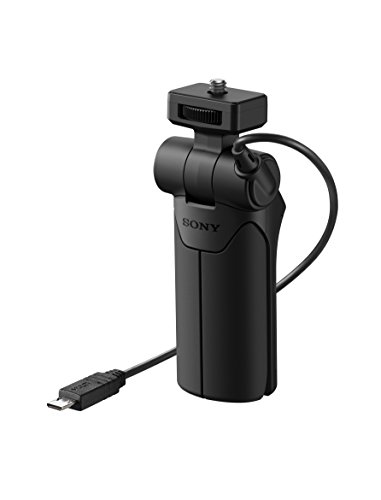
For those who demand unwavering stability, the Sony VCT-HSM1 is a top-tier contender. This mount features a curved base specifically designed to contour to the shape of most sports helmets, reducing vibration significantly. Once you lock your angle, it stays put, making it perfect for high-speed water sports where turbulence is a constant factor.
The standout feature here is the adjustable tilt mechanism, which allows for precise framing without the need for multiple extension arms. It is a robust, "set it and forget it" piece of hardware that won’t drift when you hit a wake or a rough patch of trail. If you are tired of your camera sagging mid-session, this mount is the professional-grade upgrade you need.
Telesin 360 Rotation Mount: Best for Versatility
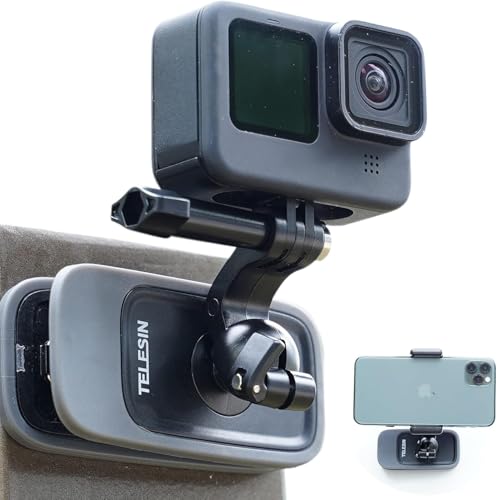
Sometimes the best shot isn’t directly in front of you, but off to the side or angled for a unique perspective. The Telesin 360 Rotation Mount offers a full range of motion, allowing you to swivel your camera to capture your reaction, the scenery, or a trailing friend. It provides the creative freedom that static mounts simply cannot match.
This mount is best suited for content creators who want to experiment with different angles without stopping to unscrew and remount their device. While the added joints mean there is a slightly higher chance of vibration at extreme speeds, the sheer utility of the 360-degree swivel is unmatched. If you want to tell a dynamic story with your footage, this is the versatile tool for your kit.
DJI Osmo Action Chin Mount: Best for POV Shots

To capture the most immersive "true POV" footage, you need the camera as close to your line of sight as possible. The DJI Osmo Action Chin Mount places the lens right at the chin bar of a full-face helmet, mimicking the rider’s perspective perfectly. This angle is incredibly engaging for viewers because it shows your hands, the handlebars, and the path ahead simultaneously.
Beyond the perspective, chin mounts are often more aerodynamic than side or top mounts, reducing drag when you are moving fast. They are particularly popular for motocross and aggressive mountain biking where head movement is frequent. If you want your audience to feel like they are sitting inside your helmet, this is the only mounting position that truly delivers.
Insta360 Adhesive Mounts: Best for Durability

When you are dealing with the high-velocity impact of water or wind, adhesive strength is everything. Insta360’s industrial-grade adhesive mounts are designed to bond securely to smooth helmet surfaces, creating a bond that is nearly impossible to break under normal conditions. They are low-profile, lightweight, and incredibly reliable once cured.
These mounts are the standard for extreme sports because they keep the camera tight against the shell, minimizing the leverage that could cause a mount to snap. Just remember that once they are on, they are on for good, so take your time with the initial placement. If you want a permanent, high-strength solution that won’t budge during a wipeout, these are the gold standard.
Suptig Helmet Extension Arm: Best for Depth

Sometimes you need to get the camera further away from your head to capture more of your body or the surrounding environment. The Suptig Helmet Extension Arm provides the necessary reach to create a "selfie" angle that doesn’t just show your face, but the action happening around you. It adds a sense of depth that makes your videos feel more cinematic and less like a static snapshot.
Using an extension arm does require a bit more attention to balance, as it shifts the weight distribution on your helmet. It is best used for calmer water activities like paddleboarding or slow-speed trail riding where wind resistance won’t pull your head to the side. If you are looking to add a "third-person" aesthetic to your solo adventures, this extension is a game-changer.
CamKix Helmet Strap Mount: Best for Simplicity
If you are new to action cameras or simply want a hassle-free setup, the CamKix Helmet Strap Mount is the ultimate entry point. It uses a straightforward strap system that wraps around your helmet, requiring zero tools or adhesives. It is the perfect "grab-and-go" solution for someone who wants to start recording immediately without modifying their gear.
While it lacks the heavy-duty security of an adhesive mount, it is more than sufficient for casual recreation or filming in controlled environments. It’s an affordable, effective way to get your camera mounted without any commitment. If you prioritize ease of use and quick installation above all else, the CamKix is your best bet.
Choosing the Right Mount for Your Helmet Type
- Full-Face Helmets: Chin mounts are superior here for POV shots; side mounts are better for capturing peripheral action.
- Vented/Open-Face Helmets: Rely on strap-based mounts that utilize the ventilation holes to prevent structural damage to the helmet shell.
- Smooth/Aero Helmets: Adhesive mounts are the only way to go, as they provide the cleanest profile and the most secure bond on solid surfaces.
- Weight Distribution: Always consider the weight of your camera; a heavy camera on a long extension arm will lead to neck fatigue and unwanted helmet shifting.
Essential Safety Tips for Helmet Camera Use
Always ensure your camera mount is tightened securely before every session, and consider using a tether as a backup. A tether provides a physical safety line between your camera and your helmet, ensuring that if the mount fails, your expensive gear doesn’t sink to the bottom of the lake. Never mount a camera in a way that interferes with your helmet’s safety features or creates a snag point.
Additionally, be aware that mounting a camera can slightly alter the impact profile of your helmet. Avoid mounting cameras in areas where they could prevent your helmet from sliding correctly during a fall. Your priority should always be your head protection; the footage is secondary.
Maintaining Your Gear for Harsh Water Conditions
Saltwater is notoriously corrosive, and even freshwater can leave mineral deposits that seize up plastic joints. After every water session, rinse your mounts thoroughly with fresh, clean water to remove salt, sand, and grit. Periodically disassemble the pivot points to clean out any trapped debris, which can cause the mount to crack or lose its grip over time.
Store your mounts in a cool, dry place away from direct sunlight, as UV rays can degrade the plastic and weaken the adhesive over time. If you notice any hairline cracks or signs of fatigue in the plastic, replace the mount immediately. It is always cheaper to replace a plastic mount than it is to replace a lost camera.
Investing time in the right mounting system is the best way to ensure your adventures are captured safely and effectively. Whether you are chasing waves or navigating trails, the right gear will give you the confidence to focus on the action rather than your equipment. Choose the mount that fits your sport and your style, and keep your perspective clear for every journey ahead.