

6 Lake Repair Kits For Minor Damages For Quick Fixes
Keep your lakefront in top shape with these 6 essential repair kits. Learn how to quickly fix minor damages and maintain your property with ease and efficiency.
There is nothing quite as frustrating as hauling your gear to the water’s edge only to discover a pinhole leak or a jagged tear ruining your afternoon. Minor damage doesn’t have to signal the end of your lake day if you are prepared with the right toolkit. With these six reliable repair solutions, you can handle those unexpected mishaps on the fly and get back to enjoying the water.
Disclosure: As an Amazon Associate, this site earns from qualifying purchases. Thank you!
Assessing Minor Lake Gear Damage Before Repairing
Before you reach for the glue, take a moment to evaluate the nature of the damage. A clean, straight slice in a vinyl inflatable requires a different approach than a jagged puncture in a neoprene wetsuit or a stress crack in a rigid kayak hull. Identifying the material and the structural load on the damaged area is the first step toward a permanent fix rather than a temporary patch.
Check if the damage is located on a high-pressure seam or a flat surface. Seams are notoriously difficult to repair because they experience constant tension, often requiring specialized reinforcement rather than just a simple adhesive patch. If the damage spans a seam or exceeds two inches, consider it a major repair that might require professional attention rather than a quick trail-side fix.
Tear-Aid Type B Vinyl Repair Kit for Inflatables
Quickly repair vinyl and vinyl-coated items with the Tear-Aid Type B patch kit. This easy-to-use, peel-and-stick patch creates an airtight and watertight seal on items like tents, pool liners, and air mattresses.
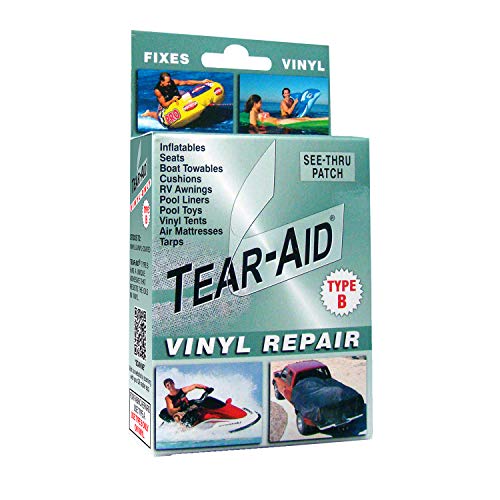

If you rely on inflatables like towable tubes, air mattresses, or vinyl pool toys, Tear-Aid Type B is the gold standard for your dry bag. This isn’t just duct tape; it is an airtight, watertight, and puncture-resistant patch that stretches with the material instead of peeling off under pressure. It is specifically formulated to bond with vinyl, which is notoriously difficult for standard glues to adhere to.
I always recommend this for anyone who spends time on inflatable watercraft because it requires zero drying time. You simply peel, stick, and get back in the water. If you want a no-fuss solution that handles the unique chemistry of vinyl inflatables, this is the only kit you need in your gear box.
Gear Aid Seam Grip WP for Wet Suit and Neoprene
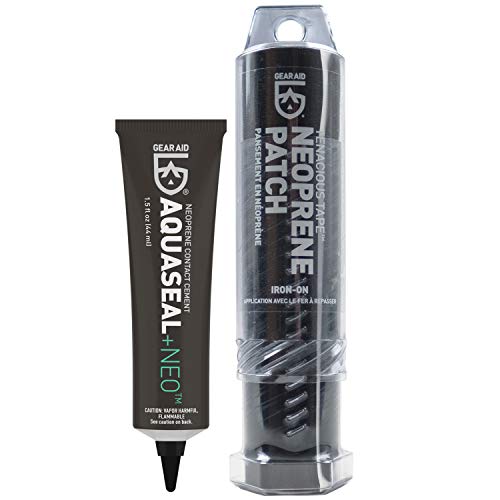
Neoprene is a porous, flexible material that demands an adhesive capable of moving with your body. Gear Aid Seam Grip WP is my go-to recommendation for wetsuit tears because it cures into a flexible, clear rubber that won’t stiffen or crack after a few dives. It effectively seals the seam, preventing water from flushing through the tear and chilling your core.
This product is perfect for the triathlete or swimmer who needs to extend the life of their gear without replacing a suit due to a fingernail nick or a snag. Just remember that it requires a full 24-hour cure time, so it is a repair for home, not the beach. If you want a professional-grade, flexible bond for neoprene, this is your best bet.
McNett Aquaseal FD for Durable Rubber Repairs

Aquaseal FD is the heavy-duty workhorse of the repair world, designed for high-abrasion areas on rubberized gear. Whether it is a leaky boot, a drysuit gasket, or a rubber handle on an oar, this adhesive creates a permanent, waterproof seal that is virtually indestructible. It is thicker than standard glues, allowing you to build up a protective layer over deep gouges.
This is the right choice if you are dealing with gear that takes a beating against rocks or docks. It isn’t the fastest drying option, but the durability is unmatched in the industry. For those who prioritize longevity over speed, Aquaseal FD is the most reliable investment for your rugged equipment.
Gorilla Waterproof Patch and Seal Tape Selection
Get a permanent, waterproof seal with Gorilla Patch & Seal Tape. This all-purpose tape instantly repairs leaks, cracks, and tears on various surfaces, indoors or out.

Sometimes the damage is too large or irregular for a liquid glue, and that is where the Gorilla Waterproof Patch and Seal Tape shines. This tape is exceptionally thick and features an aggressive adhesive that bonds to almost any surface, including wet, submerged materials in a pinch. It is an excellent emergency measure for patching a cracked plastic cooler or a punctured dry bag.
While it is incredibly strong, keep in mind that it is bulky and visible. It is a fantastic "get-home" repair, but it may not be the most aesthetic choice for high-end gear. If you need an immediate, heavy-duty seal for a wide variety of surfaces, keep a roll of this in your vehicle’s emergency kit.
Stormsure Flexible Adhesive for Tough Fabrics

Stormsure is a unique, high-strength adhesive that excels at repairing fabrics like nylon, polyester, and canvas. If your lake chair, tent, or boat cover develops a rip, this clear, flexible glue creates a bond that is actually stronger than the fabric itself. It is particularly effective because it remains pliable, preventing the fabric from tearing further at the edges of the repair.
This is the ideal product for someone who wants to repair outdoor gear without the patch looking like a jagged scar. It dries clear and smooth, making it perfect for visible repairs on colorful nylon equipment. If you have fabric-based gear that needs a robust, unobtrusive fix, Stormsure is the superior choice.
Flex Seal Liquid Rubber for Hard Shell Repairs

For minor stress cracks or leaks in hard-shell kayaks, canoes, or plastic storage bins, Flex Seal Liquid Rubber is a convenient solution. It sprays or brushes on to create a thick, rubberized coating that fills gaps and prevents water ingress. It is particularly useful for sealing rivets or hardware that have started to weep water over time.
This is not a structural repair; it is a sealant. Do not use this to fix a hull breach that compromises the integrity of the boat, but rather as a preventative measure for small leaks. If you have a rigid plastic vessel that has developed minor seeping, this is a quick and effective way to keep your hull dry.
Surface Preparation for Optimal Adhesive Bonds
The secret to a long-lasting repair is rarely the adhesive itself—it is the preparation of the surface. Most failures occur because the area was dirty, greasy, or wet, preventing the glue from creating a molecular bond. Always clean the area with isopropyl alcohol to remove oils, sunscreen, and lake grime before applying any patch or sealant.
Once clean, ensure the surface is completely dry unless the product specifically states it works underwater. Lightly sanding the area with fine-grit sandpaper can also provide a "tooth" for the adhesive to grip, significantly increasing the bond strength. Taking these extra two minutes will turn a temporary fix into a permanent one.
Safety Precautions for Applying Chemical Sealants
Working with chemical adhesives requires a bit of common sense to protect your health. Always apply these products in a well-ventilated area, preferably outdoors, to avoid inhaling strong fumes. Many of these sealants are skin irritants, so wearing nitrile gloves is a must to keep your hands clean and chemical-free.
Be mindful of the environment as well. Never apply these products directly over the water, as drips can easily enter the lake ecosystem. Keep your repair station on a tarp or a flat, dry surface away from the shoreline to ensure that no chemicals leach into the water you love to recreate in.
Testing Lake Gear Integrity After Quick Repairs
After your repair has cured, never head straight into deep water for a long excursion. Perform a "bucket test" or a shallow-water trial to ensure the seal is holding under pressure. If you patched an inflatable, apply light pressure to the area to see if any air bubbles emerge before trusting it with your weight.
Monitor the repair periodically throughout the day. If you notice any peeling at the edges or signs of moisture, do not push your luck; head back to shore immediately. Quick fixes are designed to get you through the day, but they should always be inspected thoroughly once you return home.
Maintaining your lake gear is a simple way to protect your investment and ensure your days on the water remain stress-free. By keeping these six repair essentials in your kit, you can handle minor damages with confidence and keep the fun going. Remember, the best gear is the gear that is well-cared for, so don’t hesitate to address those small tears before they become major problems.

