

6 Best Anchoring Pins For Erosion Control Blankets For Slopes
Secure your erosion control blankets effectively. We review the 6 best anchoring pins for slopes to ensure soil stability and long-term landscape protection.
Watching a heavy rainstorm wash away a freshly landscaped shoreline is a heartbreak every water enthusiast knows too well. Protecting your slope isn’t just about aesthetics; it’s about preventing sediment runoff from choking the delicate ecosystems of our lakes and streams. Using the right anchoring pins is the critical first step in keeping your soil—and your property—exactly where it belongs.
Disclosure: As an Amazon Associate, this site earns from qualifying purchases. Thank you!
Understanding Slope Erosion and Soil Stability
Erosion is a relentless force, especially on embankments near water where soil saturation is high. When you lay down an erosion control blanket, you are essentially providing a protective skin for the earth, but that skin is only as good as its attachment. Without proper anchoring, the blanket will slide, bunch, or lift during the first significant downpour.
Soil stability depends heavily on the interaction between the pin and the substrate. A pin that holds firm in dense clay will often pull right out of loose, sandy loam. Understanding your specific soil composition is the difference between a one-time fix and a recurring maintenance headache.
Choosing the Right Anchoring Pins for Your Needs
Selecting the right hardware requires balancing soil density, slope steepness, and the longevity of your project. If you are working on a steep bank near a lake, you need deep, high-grip pins that can withstand the weight of saturated fabric. Conversely, flat areas or gentle inclines allow for lighter, more economical options.
Consider the material carefully. Metal pins offer superior holding power in tough, rocky ground, while biodegradable options are perfect for temporary projects where you don’t want to leave foreign materials behind. Always prioritize the "pull-out" resistance of the pin over the price point; a few extra dollars spent now saves hours of re-installation later.
DeWitt 6-Inch Steel Sod Staples: Best for Clay
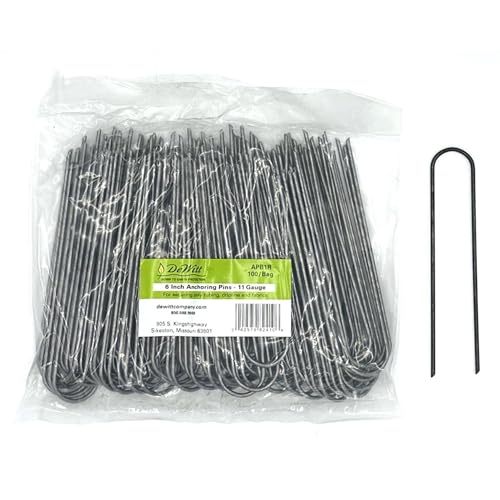

If you are dealing with heavy, compacted clay soil, these 6-inch steel staples are your best friend. Their U-shaped design bites into dense ground with ease, providing a wide surface area that holds the blanket tight against the earth. They don’t bend easily when hammered, which is a common frustration with cheaper, thinner alternatives.
Because they are made of steel, they provide the structural rigidity needed to resist the shifting weight of wet soil. They are the standard for a reason: they work reliably in difficult, unyielding terrain. If your ground is hard enough to require a mallet, these are the pins you want in your kit.
Gardener’s Blue Ribbon Pins: Best for Light Soils

For those working with looser, lighter soils or garden beds, these pins offer a fantastic balance of ease and utility. They are slightly thinner than heavy-duty steel staples, making them much easier to push into soil that has a high sand or organic content. They provide enough tension to keep the blanket flush without tearing through the fabric.
I recommend these for smaller, manageable slopes where you aren’t fighting heavy runoff currents. They are a great, cost-effective choice for DIYers who need to cover a lot of ground quickly. If your soil is soft and workable, these pins will save you a lot of physical strain during installation.
ProPEX 8-Inch Biodegradable Pins: Eco-Friendly
When working near sensitive water recreation areas, you want to minimize your environmental footprint. These 8-inch biodegradable pins are engineered to provide solid anchorage during the critical germination phase before eventually breaking down into the soil. They are a perfect choice for permanent revegetation projects where you don’t want metal hardware lingering in the earth.
They offer excellent holding power due to their length and textured design, which grips the soil better than smooth metal. While they require a bit more care during installation to ensure they don’t snap, the ecological peace of mind they provide is unmatched. These are the go-to for the environmentally conscious protector of the shoreline.
Easy Gardener Heavy-Duty Staples: Best Durability

When the slope is steep and the erosion risk is high, you need hardware that won’t budge. These heavy-duty staples are thicker and more robust than your average sod pin, offering superior resistance to the "heave" caused by freezing and thawing cycles. They are built for the long haul, designed to stay buried and secure for years.
I suggest these for high-traffic areas or embankments that face significant water flow. They are essentially the "rebar" of the erosion control world. If you want to install your blanket once and forget about it for several seasons, these are the reliable choice you need.
Sunnyside 4-Inch Galvanized Pins: Erosion Control

Short, galvanized pins are a secret weapon for keeping blankets flat on gentle slopes. The galvanization process provides a layer of protection against rust, which is vital when you are working in high-moisture environments near a lake or pond. Their 4-inch length is perfect for securing overlapping seams in the fabric to prevent water from getting underneath.
While they aren’t the best for deep, steep-slope anchorage, they are unbeatable for detail work and securing the edges of your erosion control blanket. Use them to "stitch" together sections of fabric to create a seamless, impenetrable barrier. They are a practical addition to any erosion control toolbox.
Dewitt 12-Inch Landscape Stakes: Deep Anchorage

When you have a loose, steep, or unstable slope, you need reach. These 12-inch stakes provide the deep-seated anchorage required to bypass the loose surface layer and anchor into the firm subsoil below. Their extra length is the only way to ensure the blanket stays pinned when the ground becomes saturated and heavy.
They are essentially the heavy artillery of the anchoring world. If you find that your shorter pins are pulling out after a rainstorm, don’t waste time—switch to these 12-inch stakes. They provide the deep, secure hold necessary for truly challenging terrain.
Proper Installation Techniques for Slope Stability
The secret to effective erosion control is the "trench and pin" method. Always bury the top edge of your blanket in a small trench at the crest of the slope to prevent water from flowing underneath the fabric. Once the blanket is laid, start pinning from the top down, keeping the fabric taut to avoid any "tenting" or air pockets.
Spacing is just as important as the pin itself. Follow the manufacturer’s recommendations for spacing, but always add extra pins at the overlap seams and at the bottom of the slope where water velocity is highest. A blanket that isn’t tight against the soil is just a slide waiting to happen.
Maintenance Tips for Long-Term Erosion Control
Even the best installation needs a periodic check-up, especially after major weather events. Walk your slopes at least once a season to look for areas where the blanket may have lifted or where pins have worked their way loose. Catching these small issues early prevents the "domino effect" where one loose section causes the entire blanket to fail.
If you notice sediment gathering on top of the blanket, clear it away gently to allow vegetation to grow through. The goal is to establish deep-rooted plants that will eventually take over the job of holding the soil. Once your vegetation is thick and healthy, your erosion control blanket has done its job, and you can enjoy your stable, green shoreline.
Protecting your slope is a rewarding project that pays dividends in the health of your local water and the stability of your landscape. By choosing the right anchoring pins and installing them with care, you are taking a proactive step in responsible land management. Grab the right gear, secure your soil, and get back to enjoying the water with total peace of mind.

