6 Boat Trailer Guides For Alignment To Simplify Loading
Master boat loading with these 6 essential trailer guides. Improve alignment, protect your hull, and simplify your time at the ramp with these key upgrades.
We’ve all been there: the wind is howling, the boat ramp is crowded, and your trailer seems to have a mind of its own. Mastering the art of the load-out is the difference between a relaxing day on the water and a stressful afternoon of shouting matches at the dock. With the right guide system, you can turn a chaotic retrieval into a smooth, one-person operation.
Disclosure: As an Amazon Associate, this site earns from qualifying purchases. Thank you!
Importance of Proper Boat Trailer Alignment
Trailer alignment is the unsung hero of a successful boating trip. When your boat isn’t centered, it puts uneven pressure on the hull, which can lead to structural stress or damage during transit. Proper alignment ensures the weight is distributed correctly across your bunks or rollers, protecting your investment from long-term wear.
Beyond protecting the boat, alignment guides are a major safety upgrade for the ramp. They act as a physical funnel, forcing the boat into the correct position even when crosswinds or strong currents are pushing you off course. If you value your time and your nerves, a guide system is the most practical addition you can make to your trailer.
Shoreline Marine Roller Guides for Stability


If you frequently launch in areas with significant tidal movement or current, Shoreline Marine Roller Guides are an excellent choice. These guides utilize non-marring rollers that allow the hull to glide smoothly against the frame without the risk of scuffing your gel coat. The rolling action is much more forgiving than fixed PVC pipes, especially if you tend to come in at a slight angle.
These are best suited for boaters who want a "soft touch" retrieval process. Because they roll, they won’t fight you if you nudge them while pulling up. If you own a fiberglass boat with a finish you’re particularly protective of, these are the gold standard for preventing cosmetic damage.
CE Smith Post Guides for High Visibility

Visibility is everything when you are backing a trailer into deep water. CE Smith Post Guides are designed with tall, upright posts that provide clear reference points, allowing you to see exactly where your trailer is even when it’s completely submerged. This takes the guesswork out of the process, especially for those who struggle with depth perception at the ramp.
These guides are perfect for beginners or anyone using a tow vehicle with limited rear visibility. The high-profile design ensures you can track your trailer’s location in your side mirrors, preventing the dreaded "where did the trailer go?" moment. If you want a straightforward, no-nonsense visual aid, these are the ones to get.
Fulton Side Guides for Precision Loading

Fulton Side Guides are engineered for the boater who demands surgical precision. These systems are typically more robust, offering a tighter fit that locks the boat into the center of the trailer immediately upon contact. They are built to withstand the rigors of heavy-duty use and are ideal for larger vessels that require more guidance to settle correctly.
These are not for the faint of heart or those who prefer a loose fit; they are for the boater who wants their craft secured in the exact same spot every time. If you have a larger boat that tends to wander during the final stage of loading, the rigidity of Fulton guides will be your best friend.
Tie Down Engineering Bunk Guides for Support
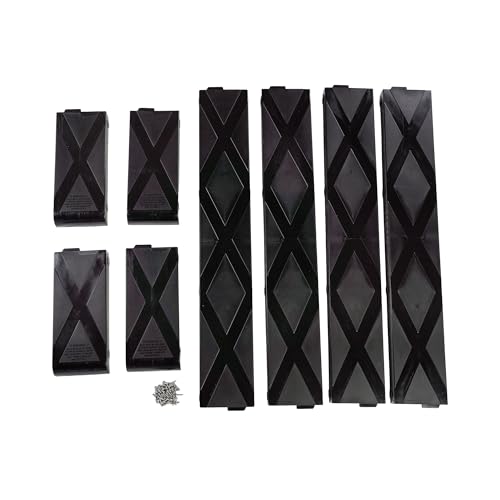
Sometimes, you need more than just a guide—you need extra support. Tie Down Engineering Bunk Guides provide a carpeted or padded surface that acts as a secondary bunk, helping to cradle the hull as it enters the trailer. This is particularly useful for aluminum boats or shallow-draft vessels that need a bit more guidance to stay centered over the main trailer bunks.
These are the right choice if your boat has a tendency to "lean" or if your trailer bunks are spaced too far apart. By providing a wider footprint, they ensure the boat is square before it hits the primary bunks. They offer a great balance between guidance and structural support.
Extreme Max Guide-Ons for Narrow Trailers

Space is a premium, and if you have a narrow trailer or a tight garage, Extreme Max Guide-Ons are a lifesaver. These are designed to be compact yet effective, providing the necessary alignment without adding unnecessary bulk to the sides of your trailer. They are highly adjustable, making them a versatile option for various hull shapes and trailer configurations.
If you are dealing with a smaller boat or a trailer that already feels crowded, these are the perfect solution. They provide the necessary guidance without making your trailer feel like a wide-load vehicle. For the minimalist boater who needs function without the footprint, these are a clear winner.
Installing Boat Trailer Guide Hardware
Most guide systems are designed for a straightforward bolt-on installation, but the devil is in the details. Before you start, ensure you have the correct mounting hardware for your trailer frame’s shape—whether it’s square, rectangular, or tubular. Using the wrong brackets can lead to the guides shifting under the weight of the boat, which defeats the purpose entirely.
Always use marine-grade stainless steel hardware to prevent rust. Once you’ve bolted the brackets in place, do a test run on dry land to ensure the guides aren’t interfering with the trailer’s lights or your vehicle’s turning radius. A little extra time spent tightening and aligning now saves hours of frustration at the ramp later.
Adjusting Guides for Your Specific Hull
Every hull is different, and your guide system needs to be tailored to yours. Start by positioning the boat on the trailer perfectly while on level ground, then adjust the guides so they are just barely touching the hull. You want them close enough to catch the boat if it drifts, but not so tight that they impede the boat from settling into the bunks.
Periodically check these adjustments, as vibration from the road can cause bolts to loosen over time. If you notice your boat is consistently off-center after loading, don’t just live with it—re-adjust the guides. A few minutes with a wrench is all it takes to keep your loading process effortless.
Maintaining Trailer Components for Safety
Your guide system is only as good as the trailer it’s attached to. Regularly inspect the brackets for signs of stress cracks or corrosion, especially if you frequent saltwater. If you have roller guides, make sure the rollers spin freely and aren’t cracked, as a seized roller can actually damage your hull rather than protect it.
Don’t neglect the frame itself. If your mounting points are rusted, the entire guide system could fail under pressure. Treat your trailer maintenance with the same level of care you provide your boat’s engine, and you’ll find your gear lasts significantly longer.
Tips for Effortless Loading at the Ramp
The secret to a perfect load is the depth of the trailer in the water. If your trailer is too deep, the boat will float over the bunks; if it’s too shallow, you’ll be winching until your arms give out. Use your guide posts as a depth gauge—aim to have the tops of the guides just visible above the water line as you back in.
Keep your engine trimmed up as you approach, but drop it slightly once you’re between the guides to maintain steering control. Approach slowly, let the guides do the work, and kill the engine only when the bow eye is close enough to the winch strap. With these habits, you’ll be the person everyone watches at the ramp—for all the right reasons.
Investing in a quality guide system is one of the most effective ways to upgrade your boating experience. By choosing the right hardware for your specific vessel and maintaining it with care, you eliminate the stress of the ramp and protect your boat for years to come. Now, get out there, load up with confidence, and enjoy the water.