

6 Best Dock Hardware Bolts For Assembly Projects
Selecting the right bolts is vital for dock stability. This guide reviews the 6 best hardware options to ensure your assembly project remains secure and durable.
There is nothing quite like the feeling of stepping onto a rock-solid dock on a crisp summer morning, knowing your mooring is secure. However, the difference between a stable platform and a wobbly, hazardous eyesore often comes down to the quality of the hardware hidden beneath the surface. Choosing the right bolts is the most critical step in ensuring your dock survives the relentless cycle of tides, waves, and seasonal weather.
Disclosure: As an Amazon Associate, this site earns from qualifying purchases. Thank you!
Understanding Marine Grade Dock Hardware Metals
When you are building or repairing a dock, the environment dictates your material choices more than your budget. Marine environments are chemically aggressive, constantly attacking metal through oxidation, electrolysis, and salt spray. Understanding the metallurgical differences between galvanized steel, stainless steel, and bronze is the difference between a dock that lasts twenty years and one that requires a total rebuild in five.
Always prioritize materials that are specifically engineered for submersion or high-humidity exposure. Never be tempted to use standard hardware-store steel, as it will rust within a single season, compromising the structural integrity of your entire framing system.
Galvanized Carriage Bolts for Structural Stability


For the backbone of your dock framing, Galvanized Carriage Bolts are the industry standard for a reason. These bolts feature a square neck under the rounded head that locks into the wood, preventing the bolt from turning while you tighten the nut. This design is perfect for connecting heavy-duty timber beams and corner brackets where you need high shear strength.
I recommend these for anyone building a stationary dock in a freshwater environment where cost-efficiency is a priority. They provide a robust, reliable connection that withstands significant weight and movement. If you are building a large-scale project on a budget, these are your go-to hardware choice.
Stainless Steel 316 Lag Bolts for Saltwater Use

If you are building near the ocean, Stainless Steel 316 is non-negotiable. Unlike lower-grade 304 stainless, 316 contains molybdenum, which provides superior resistance to chloride-induced pitting and crevice corrosion. These lag bolts bite deep into your pilings or main stringers, offering a secure hold that won’t succumb to the salt air.
These are the gold standard for high-end residential docks where maintenance is a headache you want to avoid. While the upfront cost is higher, the peace of mind they provide in harsh saltwater conditions is worth every penny. If you are building on the coast, do not settle for anything less than 316-grade.
Hex Head Bolts for High-Tension Dock Framing

When you need to pull two heavy members together with significant force, Hex Head Bolts are your best friend. Because you can use a wrench or socket to apply significant torque, you get a much tighter joint than you would with carriage bolts. They are essential for critical connections, such as attaching diagonal bracing or heavy-duty float brackets.
Use these when structural rigidity is the primary goal. They are ideal for areas of the dock that experience high traffic or heavy wave action. If your dock design relies on tight, vibration-resistant connections, choose hex head bolts to ensure the structure stays square over time.
Silicone Bronze Bolts for Superior Corrosion
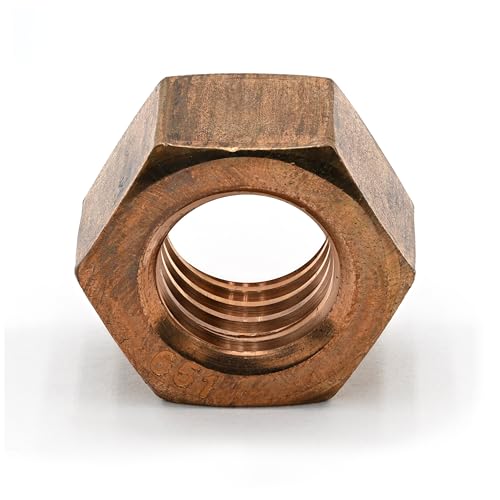
Silicone bronze is the secret weapon of the marine world, offering exceptional strength and unparalleled resistance to corrosion. These bolts are essentially immune to the saltwater degradation that eventually claims even high-quality stainless steel. They are frequently used in high-end boat building and specialized dock hardware where failure is not an option.
These are perfect for the dock owner who wants a "set it and forget it" solution and doesn’t mind the premium price tag. They are particularly well-suited for underwater mounting applications where moisture is constant. If you are building a permanent structure in a high-salinity area, silicone bronze is the ultimate investment in longevity.
Zinc-Plated Bolts for Freshwater Dock Projects

Zinc-plated bolts offer a budget-friendly alternative for temporary or light-duty freshwater projects. They provide a thin layer of protection against light rust, making them suitable for small, inland lake docks that are pulled out of the water every winter. However, they are not intended for permanent, year-round submersion.
Use these only for non-critical, seasonal components like handrail attachments or minor aesthetic trim. If you are building a structural frame that needs to hold up under load, look toward galvanized or stainless options instead. For the average seasonal lake user, these are a convenient, low-cost solution for minor repairs.
Selecting the Correct Bolt Length and Diameter
Choosing the right size is about more than just fitting the hole; it is about distributing load across the wood fibers. A bolt should be long enough to pass through both members and the washer, with at least two or three threads showing past the nut. If the bolt is too short, you risk the nut stripping the threads under load; too long, and you create a snag hazard for swimmers and gear.
- Diameter: Use 1/2-inch bolts for most residential framing; upgrade to 5/8-inch or 3/4-inch for heavy-duty commercial applications.
- Washers: Always use oversized "fender" washers to prevent the bolt head from sinking into the wood over time.
- Fit: Ensure a snug fit, but avoid driving bolts into holes that are too tight, as this can cause the wood to split.
Preventing Galvanic Corrosion in Dock Systems
Galvanic corrosion occurs when two dissimilar metals are in contact in the presence of an electrolyte like saltwater. If you bolt a stainless steel bracket to an aluminum frame without isolation, the aluminum will rapidly corrode. Always use plastic or rubber bushings, gaskets, or non-conductive washers to separate different metal types.
Think of your dock as an electrical circuit; you want to break the path of electron flow between different metals. This simple step can add years to the life of your hardware and prevent costly structural failures. Never overlook the importance of isolation when mixing materials in your dock design.
Essential Tools for Installing Dock Fasteners
Proper installation is just as important as the hardware itself. You will need a high-torque impact wrench for driving long lag bolts and a solid set of deep-well sockets to handle hex nuts. An adjustable wrench is handy, but a dedicated socket set will save your knuckles and ensure you reach the proper torque settings.
Don’t forget a quality cordless drill with a set of auger bits for pre-drilling. Pre-drilling is the most effective way to prevent wood splitting, especially when working near the ends of your timbers. Having the right tools on hand makes the difference between a professional-grade assembly and a frustrating afternoon.
Maintenance Tips for Long-Lasting Dock Bolts
Even the best hardware requires an annual inspection. Once every spring, walk your dock and check for loose nuts, missing washers, or signs of rust streaks that indicate a bolt is failing. A quick tighten with a socket wrench can prevent the "wobble" that eventually leads to structural fatigue.
If you find a bolt that is beginning to corrode, replace it immediately rather than waiting for it to snap. Keeping your hardware clean and tight is the single most effective way to extend the lifespan of your dock. Think of it as a seasonal check-up for your most valuable water recreation asset.
Building a dock is an investment in your lifestyle, and the bolts you choose are the silent guardians of your platform. By selecting the right material for your specific water conditions and maintaining them with care, you ensure that your dock remains a safe, sturdy retreat for years to come. Take the time to do it right the first time, and you will spend your summers enjoying the water instead of repairing your infrastructure.
