6 Best Baby Swim Trainers Flotation for Pool Safety
Ensure water safety with our top 6 baby swim trainers. We review the best flotation aids to help your little one gain confidence and stay secure in the pool.
Introducing your little one to the water is one of the most rewarding milestones of early parenthood, but it requires a foundation of absolute safety. Choosing the right flotation device isn’t just about comfort; it is about creating a secure environment where your child can build confidence. With the right gear, you turn pool time into a safe, skill-building adventure for both of you.
Disclosure: As an Amazon Associate, this site earns from qualifying purchases. Thank you!
Understanding Baby Swim Safety and Buoyancy
True water safety begins with the understanding that no flotation device is a substitute for direct, touch-distance supervision. While buoyancy aids help keep a child’s head above water, they can sometimes create a false sense of security for both the parent and the child. Always remain within arm’s reach, as even the most expensive float cannot account for sudden movement or a child slipping into an awkward position.


Buoyancy is about balance and stability, not just keeping a child afloat. A good trainer should encourage a natural, horizontal swimming position rather than keeping the child strictly vertical, which can hinder their ability to learn how to kick and move. Focus on gear that supports the chest or arms without restricting the natural range of motion required for water acclimation.
Mambobaby Non-Inflatable Chest Float Review
This baby float provides enhanced safety and comfort with its removable tail to prevent flipping and adjustable size for babies 3-24 months. It features both breaststroke and backstroke positions and includes a UPF50+ sun canopy for sun protection.

The Mambobaby is a standout for parents who are tired of dealing with leaky, unreliable inflatable rings. Because it uses a solid, pearl-foam interior, you never have to worry about a puncture ruining your pool day. It is designed to keep the baby in a prone position, which is essential for teaching them how to float on their stomach from a young age.
I recommend this for parents who prioritize durability and a consistent, reliable buoyancy level. It is particularly effective for infants who are just starting to kick, as the chest support provides enough stability to let them practice those first movements. If you want a "set it and forget it" piece of equipment that will last through multiple seasons, the Mambobaby is your best bet.
Otteroo Inflatable Neck Float Safety Tips
The Otteroo is a polarizing piece of gear, and it must be used with extreme caution. It is designed to allow babies to move freely in the water, but it should only be used in a controlled, shallow environment where you are within constant reach. Never leave a child unattended in a neck float, as any shift in the device’s seal or the child’s movement can pose a significant risk.
If you choose to use this, ensure the fit is snug but not tight against the chin and neck. It is best suited for supervised, short-duration sessions aimed at sensory exploration rather than long periods of play. If you aren’t prepared to be 100% focused on your child every second they are in the water, skip the neck float entirely and opt for a chest-based trainer.
SwimWays Baby Spring Float Canopy Edition
This is the gold standard for long, sunny days at the pool. The integrated canopy is a game-changer for sun protection, and the mesh seat keeps the baby comfortable and partially submerged. It is incredibly stable, making it a great choice for parents who want their child to feel secure while they lounge nearby.
I suggest this for families who spend extended time in the pool and need a reliable way to keep their infant shaded. It isn’t designed for "teaching" swimming, but it is excellent for water acclimation and comfort. If your priority is a relaxed, stress-free afternoon where your baby is protected from the sun, the SwimWays Spring Float is the clear winner.
Water Gear Selection for Infant Development
When selecting gear, consider your child’s developmental stage rather than just their age. Infants who cannot yet sit up need full-body support, while toddlers who are starting to find their balance benefit from gear that offers more freedom of movement. Always look for U.S. Coast Guard-approved labels when moving toward life jackets, as these have undergone rigorous testing for buoyancy and uprighting capabilities.
Avoid "puddle jumper" style gear for non-swimmers who haven’t yet learned to balance. While these are great for active toddlers, they can cause an infant to tip forward if they aren’t strong enough to hold their own head and chest up. Match the tool to the child’s current physical capabilities to ensure they are learning, not just floating.
Stearns Puddle Jumper Deluxe Life Jacket
Ensure infant safety with this USCG-approved life jacket, featuring heads-up flotation and comfortable, flexible Hydroprene construction. A secure fit with adjustable straps and a rescue handle make it ideal for boating, swimming, and beach fun.
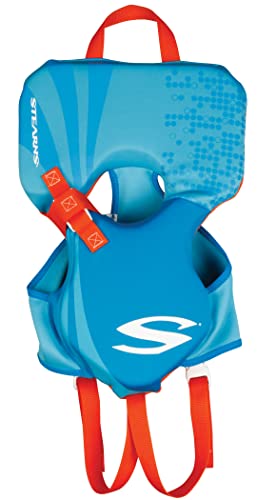
The Puddle Jumper is the industry standard for a reason: it provides the perfect balance of safety and freedom for toddlers who are beginning to explore. It allows them to move their arms and legs freely, which is essential for developing a proper swimming stroke. The back buckle is a great safety feature, as it prevents the child from taking the device off while in the water.
This is the ideal transition piece for children who are ready to move out of stationary floats but aren’t yet independent swimmers. It offers enough buoyancy to keep them afloat while encouraging them to lean forward and kick. If your child is between 30 and 50 pounds and is starting to show interest in "real" swimming, the Puddle Jumper is the most reliable choice on the market.
The Poolmaster Learn-to-Swim Tube Analysis
Build your child's swim confidence with this learn-to-swim vest. Designed for ages 3-6, the adjustable tube float allows freedom of movement while providing UPF 50 sun protection.
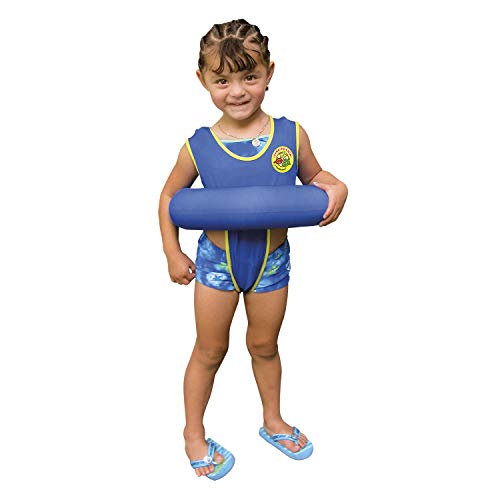
The Poolmaster tube is a classic, simple design that works well for children who are already somewhat comfortable in the water. It offers a secure seat for the child, keeping them upright and stable while they get used to the sensation of being in the pool. It is lightweight and easy to pack, making it a great "extra" to have in your pool bag.
However, because it keeps the child in a vertical position, it doesn’t teach the mechanics of swimming as well as chest-based trainers. Use this for casual play rather than focused swim lessons. It is perfect for the child who just wants to splash around and stay cool without the intensity of a structured swimming aid.
Intex My First Swim Float for Toddlers

The Intex float is an affordable, entry-level option that works well for occasional pool trips. It is simple, easy to inflate, and does the job of keeping a toddler buoyant while they play. The leg holes provide a secure seat, ensuring the child won’t slip through during active play.
While it is budget-friendly, keep in mind that inflatable plastic can be prone to punctures. I recommend this for families who only head to the pool a few times a summer or need a backup float. It is a solid, functional choice, but don’t expect it to last for years of heavy, daily use.
Proper Fit and Supervision for Baby Floats
A float is only as safe as its fit. If a device is too large, your child can slip through; if it is too small, it can cause chafing or restrict their movement. Always test the fit on dry land before getting into the water, ensuring the straps are snug and the child cannot wiggle out of the harness.
Supervision means being in the water with your child, not just watching from a lounge chair. You should be close enough to grab them instantly if they tilt or become distressed. Remember that water safety is a layered approach: the float is one layer, but your eyes and hands are the most important ones.
Maintaining Your Child’s Water Safety Gear
After every pool session, rinse your flotation gear with fresh water to remove chlorine or salt. These chemicals can break down the materials and straps over time, leading to premature wear and potential failure. Store your gear in a cool, dry place out of direct sunlight, as UV rays can degrade the fabric and foam.
Regularly inspect your gear for signs of damage, such as frayed stitching, cracks in the foam, or slow leaks in inflatable sections. If you notice any compromise in the structural integrity of the device, replace it immediately. Never try to "patch" a life jacket or critical flotation device; it is never worth the risk.
Your child’s journey in the water is a marathon, not a sprint, and safety is the only way to ensure it remains a joy. By choosing the right gear and maintaining a vigilant, hands-on approach, you are setting the stage for a lifetime of water confidence. Dive in with caution, keep your eyes on the prize, and enjoy every splash along the way.