6 Beach Camping Kayak Paddles For Water Fun For Beginners
Explore our top 6 beginner kayak paddles for beach camping. Discover durable, lightweight options designed for stability, comfort, and easy water adventures.
There is nothing quite like the rhythm of a kayak paddle hitting the water as you glide toward a secluded beach for a sunset picnic. Mastering the art of coastal paddling starts with choosing the right equipment, as your paddle acts as the vital link between your energy and the open sea. This guide will help you navigate the gear market so you can spend less time struggling with equipment and more time enjoying the surf.
Disclosure: As an Amazon Associate, this site earns from qualifying purchases. Thank you!
Essential Safety Gear for Beach Kayaking Trips
Before you even think about the water, your safety kit must be non-negotiable. A Coast Guard-approved Personal Flotation Device (PFD) is the most critical piece of equipment, and it should be worn snugly at all times, not just stowed in the hatch. Never head out without a reliable whistle attached to your vest to signal for help if visibility drops or you encounter unexpected boat traffic.
In addition to your PFD, always carry a bilge pump and a paddle leash. A bilge pump allows you to clear water from your cockpit if a wave washes over the deck, while a leash ensures your paddle doesn’t drift away during a capsize. Bringing a waterproof dry bag for your phone and a map of the coastline is also standard practice for any responsible beach adventurer.
Werner Skagit FG: Best Entry-Level Paddle
If you are looking to invest in a paddle that will grow with your skills, the Werner Skagit FG is the gold standard for beginners. Its fiberglass-reinforced blades provide a smooth, flutter-free stroke that is much more efficient than the heavy plastic options found at big-box stores. The carbon-blend shaft offers a perfect balance of stiffness and flex, which significantly reduces wrist fatigue during longer coastal outings.
This paddle is ideal for the paddler who knows they will be hitting the water consistently and wants to avoid the "upgrade trap" of buying cheap gear twice. While it carries a higher price tag than basic starter models, the performance jump is immediate and noticeable. If you value quality construction and long-term reliability, this is the paddle you want in your hands.
Bending Branches Whisper: Durable Beginner Choice
Enjoy effortless paddling with the Bending Branches Whisper kayak paddle. Its lightweight, durable aluminum shaft and adjustable snap-button ferrule offer comfortable control and customized blade angles for any water condition.


The Bending Branches Whisper is a workhorse that thrives in the unpredictable environment of a sandy beach. Its high-impact plastic blades are incredibly rugged, meaning you don’t have to worry about minor scrapes against rocks or dragging the paddle through shallow, sandy surf. It is a straightforward, no-nonsense tool that gets the job done without any unnecessary bells or whistles.
This paddle is the perfect companion for casual beachgoers who prioritize durability over high-end performance. It is slightly heavier than fiberglass alternatives, but that weight translates into a bombproof build that can handle years of abuse. If you are starting out and want a paddle that will survive the learning curve, the Whisper is an easy recommendation.
Aqua-Bound Manta Ray: Lightweight Performance
The Aqua-Bound Manta Ray is designed for those who want to cover more distance with less effort. Featuring a larger, wider blade profile, it provides a powerful "bite" into the water, which is excellent for pushing through coastal currents or fighting a headwind. Despite its size, the lightweight construction ensures you won’t feel like you’re hauling an anchor after an hour on the water.
This paddle is best suited for beginners who are naturally athletic and want to explore further along the shoreline. The added surface area of the blade makes maneuvering a larger recreational kayak much easier. If you want a performance-oriented paddle that feels premium without the professional price tag, the Manta Ray is a top-tier choice.
Carlisle Magic Mystic: Versatile Coastal Paddle

The Carlisle Magic Mystic offers a unique blend of efficiency and comfort, making it a favorite for those who enjoy long, relaxing paddles. Its blades are slightly spooned, which helps "cup" the water during the stroke to maximize your forward momentum. This design is particularly helpful for beginners who are still refining their technique and need a paddle that compensates for an imperfect stroke.
This paddle is a fantastic middle-ground option for coastal recreation. It feels more refined than a basic starter paddle but remains accessible enough for someone in their first season. If you are looking for a reliable, all-around performer that handles both calm bays and light chop with grace, look no further.
Pelican Poseidon Paddle: Reliable Beach Option
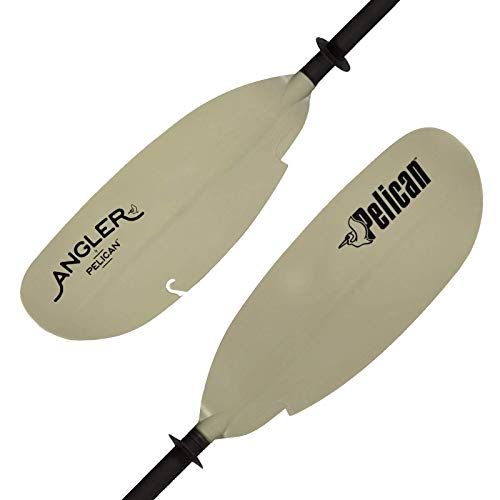
The Pelican Poseidon is a functional, budget-friendly choice that hits the sweet spot for occasional paddlers. It features an adjustable drip ring system that helps keep water from running down the shaft and into your lap, which is a major quality-of-life feature for beach kayaking. The aluminum shaft is corrosion-resistant, making it well-suited for saltwater environments.
While it doesn’t offer the weight savings of carbon or fiberglass, it is perfectly adequate for short trips and recreational fun. It’s a sensible choice for families or those who only hit the beach a few times a year. If you want a dependable, affordable option that won’t leave you stranded, the Poseidon is a solid entry point.
Shoreline Marine Paddle: Affordable Starter Pick
The Shoreline Marine paddle is the quintessential "get out on the water" tool for the budget-conscious beginner. It is simple, functional, and widely available, making it a common first choice for those just testing the waters. It won’t win any races, but it provides the basic mechanics needed to learn how to propel and steer your kayak effectively.
This paddle is best for those who aren’t yet sure how often they will kayak and want to minimize their initial investment. It is durable enough for casual use, though you will eventually want to upgrade as your stamina and distance increase. For the absolute beginner on a tight budget, it serves its purpose well.
Selecting the Right Paddle Length and Material
Choosing the correct length is a matter of both your height and the width of your kayak. A general rule of thumb is that wider recreational kayaks require longer paddles to ensure the blade clears the side of the boat comfortably. If your paddle is too short, you will constantly bump the gunwales; if it is too long, you will experience excessive fatigue and inefficient strokes.
When it comes to materials, the tradeoff is almost always weight versus durability. Aluminum shafts are cheap and durable but cold to the touch and heavy, while fiberglass or carbon fiber shafts are lighter and warmer but more expensive. For coastal paddling, always look for "saltwater-safe" materials that won’t corrode after a few sessions in the surf.
Proper Kayak Stroke Techniques for Beginners
Many beginners make the mistake of using only their arms to paddle, which leads to quick exhaustion. The secret to an efficient stroke is to use your core muscles, rotating your torso with every pull. Think of your paddle as a fixed point in the water, and use your body to pull the kayak past that point rather than pulling the water toward you.
Keep your grip relaxed; squeezing the paddle too tightly will cause forearm cramps within minutes. Your hands should be about shoulder-width apart, and your elbows should remain slightly bent throughout the stroke. Practicing this "torso rotation" early on will allow you to paddle for hours without feeling like you’ve just finished a heavy weightlifting session.
Maintaining Your Gear for Beach Environments
Saltwater is notoriously hard on gear, so your post-trip routine is just as important as the paddle itself. Always rinse your paddle thoroughly with fresh water after every beach excursion to prevent salt crystals from building up in the joints. If you have a multi-piece paddle, take it apart and rinse the ferrules (the connection points) to ensure they don’t seize up over time.
Store your paddles in a cool, dry place away from direct sunlight when not in use. UV rays can degrade plastic blades and weaken composite materials over several seasons. By spending five minutes rinsing and properly storing your gear, you ensure that your investment stays in peak condition for years of coastal exploration.
Choosing the right paddle is the first step toward turning a standard day at the beach into a genuine adventure. By balancing your budget with your performance needs and keeping your gear well-maintained, you set yourself up for a lifetime of water-based enjoyment. Now that you have the right equipment in hand, get out there, stay safe, and enjoy the rhythm of the waves.