

6 Beach Camping Repair Kits For Gear That Save Trips
Don’t let gear failure ruin your coastal getaway. Discover 6 essential beach camping repair kits that help you fix equipment quickly and save your trip.
There is nothing quite like the sound of crashing waves to lull you to sleep, but a punctured air mattress or a jammed zipper can turn a coastal paradise into a logistical nightmare. Beach environments are notoriously harsh, with abrasive sand and corrosive salt air acting as silent killers for even the most durable outdoor equipment. Carrying a specialized repair kit isn’t just about being prepared; it is about ensuring your hard-earned vacation time isn’t spent driving to the nearest town for replacement gear.
Disclosure: As an Amazon Associate, this site earns from qualifying purchases. Thank you!
Why Beach Gear Needs Specialized Repair Kits
The beach is a unique ecosystem that punishes equipment through a combination of fine, crystalline sand and relentless salt spray. Sand acts as an abrasive that wears down fabric coatings and jams mechanical components, while salt accelerates oxidation on metal parts. Standard repair supplies often fail here because they aren’t designed to withstand the specific moisture-wicking and pressure-sensitive nature of coastal environments.
When you are miles from a retail shop, a small tear in a tent or a leaking paddleboard can end a trip prematurely. Specialized kits allow you to perform immediate, field-grade repairs that hold up under the unique stresses of heat, humidity, and constant movement. Investing in these targeted solutions keeps your gear functional and minimizes the environmental impact of discarding damaged items.
Gear Aid Tenacious Tape for Fabric Tears


If you have ever had a gust of wind rip a tent fly or a sharp piece of driftwood puncture a shade canopy, you know the panic of watching your shelter fall apart. Tenacious Tape is the industry gold standard for a reason: it is an ultra-strong, weather-resistant adhesive that sticks to almost any fabric without leaving a gummy residue. It is essentially a "duct tape on steroids" that blends into your gear rather than standing out like a sore thumb.
I recommend this for anyone who prioritizes a quick, low-profile fix that can actually survive a wash cycle or a heavy rainstorm. It isn’t a permanent structural solution for massive structural failures, but for pinholes and jagged tears, it is unbeatable. If your gear is made of nylon or polyester, keep a roll of this in your dry bag at all times.
Tear-Aid Type A Patch for Inflatable Mats
Quickly repair vinyl and vinyl-coated items with the Tear-Aid Type B patch kit. This easy-to-use, peel-and-stick patch creates an airtight and watertight seal on items like tents, pool liners, and air mattresses.
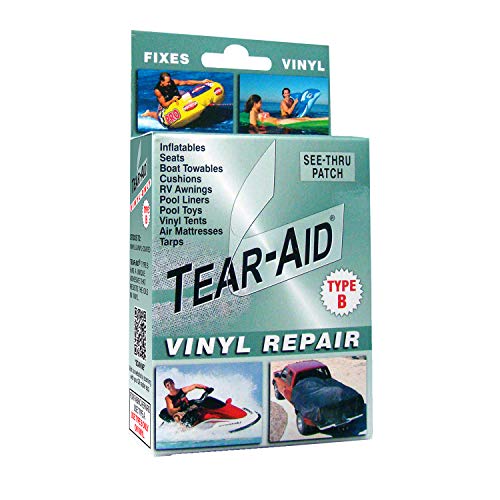
Inflatable sleeping pads are prone to developing microscopic leaks after being dragged across sandy dunes or rocky patches near the shore. Tear-Aid Type A is specifically formulated to provide an airtight, watertight seal that remains elastic, meaning it moves with the fabric instead of peeling off when the mat is inflated or deflated. Unlike standard vinyl patches, this stuff is virtually indestructible once it sets.
This is the absolute best choice for high-pressure inflatables because it resists the stretching that usually causes other patches to fail. It is clear, so it won’t look messy, and it works instantly, which is vital when you need to get back to sleep after realizing you’re resting on the cold ground. If you use an inflatable pad, this kit is non-negotiable.
Gorilla Waterproof Patch and Seal Tape
Sometimes you face a catastrophic failure—like a large gash in a storage bin or a hole in a heavy-duty waterproof bag—that requires a heavy-duty solution. Gorilla Waterproof Patch and Seal Tape is thick, incredibly tacky, and designed to bond even when wet. It creates a permanent, rubberized barrier that stops water in its tracks, making it ideal for the most rugged beach equipment.
This tape is not for delicate fabrics, as it is quite thick and stiff. However, it is the ultimate "get out of jail free" card for hard-sided gear or heavy-duty tarps. If you have a piece of equipment that is taking on water and you need a robust, structural seal, this is the product you want in your kit.
McNett Seam Grip WP for Tent Seam Leaks

Humidity is a constant companion at the beach, and even high-quality tents can experience seam seepage during coastal storms. McNett Seam Grip WP is a permanent, flexible urethane sealant that penetrates the stitching and fabric to create a waterproof barrier that lasts for years. It is far superior to those cheap, waxy seam sealer sticks that flake off after one season.
This is a "pro-level" repair that requires a bit of patience, as it needs to cure for several hours. It is perfect for pre-trip maintenance or for fixing a tent that has started to "weep" during humid nights. If you value long-term gear health over quick, temporary fixes, this belongs in your repair arsenal.
Gear Aid Zipper Lubricant and Cleaner
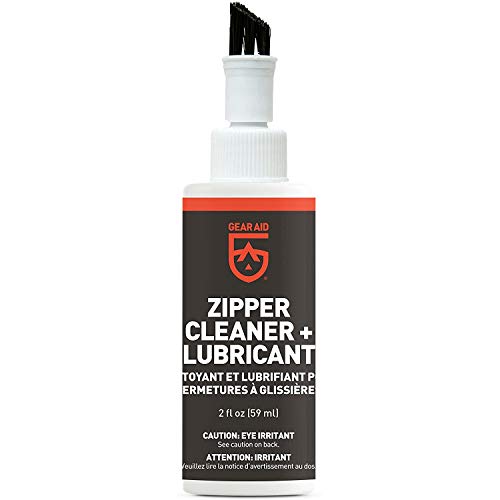
Sand is the natural enemy of zippers, and it only takes a few grains of silica trapped in the teeth to cause a slider to seize or snap. This specialized lubricant is designed to flush out grit and debris while leaving behind a protective coating that prevents corrosion from salt air. Unlike household lubricants, it doesn’t attract more sand, which is the most common mistake people make when trying to "fix" a sticky zipper.
I suggest using this preventatively every few days during a long beach trip. If your zipper is already jammed, the cleaning brush included in most kits is a lifesaver. If you have expensive gear with high-quality zippers, this is the single best way to extend the lifespan of your investment.
Loctite Marine Epoxy for Rigid Gear Fixes
Loctite Marine Epoxy creates a strong, waterproof bond on wet surfaces, making it ideal for underwater repairs. The convenient double syringe ensures easy and accurate mixing for a durable, resilient finish on various materials.
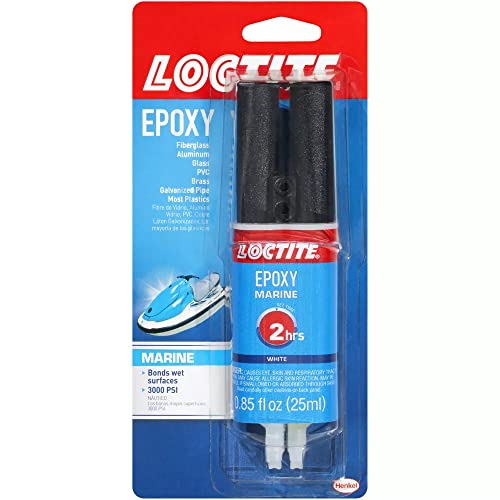
Sometimes the plastic handle on a cooler snaps, or the fin box on your paddleboard develops a hairline crack. Loctite Marine Epoxy is designed to cure underwater and withstand the harsh, corrosive environment of a saltwater beach. It creates a rigid, structural bond that is significantly stronger than any tape or adhesive patch.
This is a specialized tool for hard gear, not fabric, and it requires a steady hand and proper mixing. It is perfect for those "oh no" moments when a critical piece of hardware breaks. If you carry rigid equipment like boards, coolers, or hard-shell cases, this epoxy is the only way to ensure a truly permanent repair.
Essential Multi-Tool for Field Repairs

A repair kit is only as good as your ability to manipulate the materials, and a quality multi-tool is the heart of any field kit. You need a tool that features a sturdy pair of pliers for tensioning fabric, a sharp blade for cutting patches to size, and a file for smoothing out sharp edges on broken plastic or metal. A multi-tool acts as the bridge between your adhesive supplies and the damaged gear.
Don’t settle for a cheap, flimsy tool; look for one with stainless steel construction to resist the salty air. You will find yourself using it for everything from tightening loose screws on a camp chair to trimming stray threads that might snag a zipper. It is the most versatile piece of equipment you can own.
How to Maintain Gear During Beach Trips
- Rinse daily: Use fresh water to rinse off all gear, especially zippers and moving parts, to remove salt and microscopic sand grains.
- Dry completely: Never pack away damp gear; moisture trapped in a bag or tent will lead to mildew, which is nearly impossible to fully remove.
- Shake it out: Before folding up tents or mats, give them a vigorous shake to remove the sand that inevitably finds its way into the seams.
- Lubricate early: Apply zipper lubricant at the start of your trip rather than waiting for the mechanism to get "gritty."
Emergency Field Repair Safety Protocols
When performing repairs at the beach, always work on a flat, clean surface like a towel or a tarp to prevent sand from contaminating your adhesive surfaces. If you are using chemical sealants or epoxies, ensure you are in a well-ventilated area away from the water to avoid any accidental runoff into the ocean. Always read the curing times carefully; attempting to use a piece of gear before the glue has set will only result in a larger, more difficult repair later.
Finally, prioritize your safety over the gear. If a repair involves sharp tools or heavy-duty epoxies, take your time and avoid rushing, especially if the sun is setting or you are tired from a day of activity. A successful repair should leave your gear functional and safe to use, not a hazard to yourself or others.
By curating a small, dedicated repair kit, you shift from being a victim of the elements to a master of your own coastal experience. Remember that the best repair is often the one you don’t have to make, so prioritize regular maintenance alongside your emergency supplies. With the right tools in your bag, you can focus on the surf and sand, knowing that you are prepared for whatever the beach throws your way.

