

6 Boat Trailer Axles For Upgrades To Improve Towing
Upgrade your boat trailer with these six axle options. Improve stability, load capacity, and towing performance with the best hardware for your marine vehicle.
There is nothing quite as jarring as that unexpected "clunk" or vibration when you’re hauling your boat to the ramp on a Friday afternoon. Upgrading your trailer axle isn’t just about fixing a problem; it’s about ensuring your vessel arrives at the water in the same condition it left the driveway. Let’s break down how the right hardware can transform your towing experience from stressful to seamless.
Disclosure: As an Amazon Associate, this site earns from qualifying purchases. Thank you!
Understanding Boat Trailer Axle Load Capacities
Matching your axle capacity to your boat’s actual weight is the most critical safety step you can take. Remember, you must account for the weight of the hull, the engine, fuel, gear, and the trailer itself. A common mistake is using the boat’s "dry weight" from a brochure, which ignores the heavy reality of a full tank and packed cooler.
Always aim for an axle rating that exceeds your total gross weight by at least 10-15%. This provides a vital safety buffer for sudden potholes or emergency braking maneuvers. If you are borderline on capacity, stepping up to the next weight class is a cheap insurance policy against bent spindles and blown tires.
Dexter Axle Torflex: Best For Smooth Towing


If you spend hours on the highway getting to your favorite lake, the Dexter Torflex is the gold standard for ride quality. These torsion axles use rubber cords inside the axle tube to absorb road shock independently at each wheel. This means your boat isn’t bouncing around every time the trailer hits a ripple in the pavement.
I recommend the Torflex for anyone hauling a high-end fiberglass boat or delicate electronics that don’t appreciate constant vibration. Because each wheel acts independently, you get significantly better tracking and less trailer sway at highway speeds. If you value a smooth, quiet tow above all else, this is the upgrade you need.
Tie Down Engineering Vortex: Low Maintenance Hubs
The Vortex hub system is designed for the boater who wants to spend more time on the water and less time in the garage. These hubs come pre-greased from the factory and feature a specialized seal design that prevents water intrusion during deep-water launches. They are essentially a "set it and forget it" solution for frequent towers.
I suggest the Vortex for those who hate the messy ritual of annual bearing repacking. While they aren’t completely maintenance-free, they offer a massive reduction in the labor required to keep your wheels turning reliably. If your priority is convenience and keeping your boat on the water longer, the Vortex is an excellent choice.
UFP Vault Hybrid Axles: Best Sealed Protection

The UFP Vault system takes a different approach by using a pressurized oil-bath-like environment that keeps water out permanently. Unlike standard grease, the hybrid lubricant inside a Vault hub is designed to never require periodic maintenance. It’s a robust, sealed system that thrives in the harsh, corrosive environments of saltwater ramps.
This is the ultimate choice for the coastal boater who regularly dips their trailer into the brine. The initial cost is higher, but the peace of mind knowing your bearings are protected from saltwater corrosion is invaluable. If you want a "fit it and forget it" system that can handle the worst conditions, the Vault is the winner.
Torsion vs Leaf Spring Axle Performance Factors
Leaf springs are the traditional choice for a reason: they are rugged, affordable, and incredibly easy to repair on the side of the road. However, they lack the dampening capabilities of torsion axles and require regular maintenance to keep the springs from rusting together. They are perfect for budget-conscious towers or those who use their trailer infrequently.
Torsion axles, conversely, offer a superior ride and are much more resistant to corrosion since the internal components are sealed. The tradeoff is that a damaged torsion axle usually requires a full replacement rather than a simple spring swap. Choose leaf springs for simplicity and low cost; choose torsion for performance and longevity.
Kodiak Trailer Components: Best Braking Systems
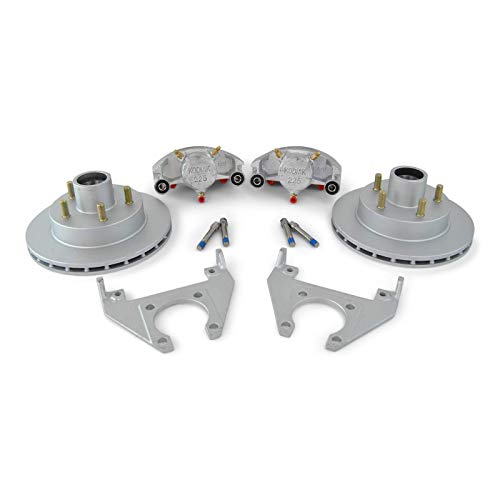
When you are hauling a heavy center console, your trailer brakes are just as important as your truck’s brakes. Kodiak is widely considered the leader in stainless steel disc brake kits, which provide reliable stopping power even after being submerged. Their calipers are built to resist the pitting and seizing that plague cheaper, painted brake systems.
If you are upgrading your axles, it is the perfect time to integrate a Kodiak disc brake setup. You will notice the difference immediately in how your rig handles downhill grades and sudden stops. For anyone towing a boat over 3,000 pounds, Kodiak brakes are not an accessory—they are a necessity.

Galvanized Steel vs Aluminum Axle Materials
Galvanized steel is the workhorse of the industry, offering excellent strength and a thick zinc coating to fight off rust. It is heavy, durable, and handles the structural stresses of towing better than almost any other material. For most freshwater and occasional saltwater users, a high-quality galvanized axle is the most practical investment.
Aluminum axles are lighter and naturally resistant to corrosion, making them popular for high-end, lightweight trailers. However, they can be more susceptible to fatigue cracks over time if not engineered perfectly. Stick with galvanized for heavy-duty reliability, or choose aluminum if you are trying to shave weight for a specific towing vehicle.
Choosing The Correct Axle Width And Bolt Pattern
Measuring for a new axle is a game of millimeters, so measure twice before you order. You need the "hub face" measurement (the distance between the two surfaces where the wheels mount) and the "spring center" measurement (the distance between the center points of your mounting brackets). Getting these wrong means the axle simply won’t bolt onto your trailer frame.
Don’t forget the bolt pattern, which must match your existing wheels. A 5-on-4.5 pattern is standard for many light trailers, but larger boats often move to 6-lug or 8-lug patterns for higher load ratings. Always verify your lug nut thread pitch as well to ensure your current wheels will fit the new studs.
Proper Installation And Trailer Alignment Tips
Installing an axle is a straightforward mechanical task, but alignment is where most people go wrong. If your axle is even slightly crooked, your trailer will "dog-track" down the road, leading to uneven tire wear and dangerous instability. Always use a tape measure to ensure the distance from the trailer coupler to each side of the axle is identical.
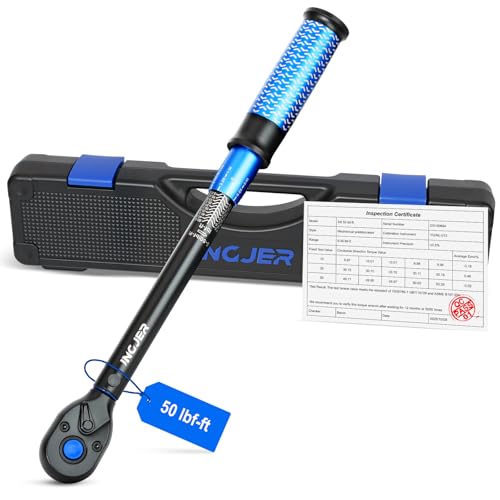
Tighten your mounting hardware to the manufacturer’s specified torque settings using a calibrated torque wrench. Never rely on "gut feel" for these critical fasteners, as vibrations can easily loosen improperly torqued bolts. If you aren’t 100% confident in your ability to square the axle, have a professional shop handle the alignment.
Routine Maintenance For Long-Term Axle Health
Even the best axles require a seasonal check-up to ensure they stay in top condition. Every spring, inspect your seals for signs of leakage and check the play in your hubs by rocking the wheels side-to-side. If you hear grinding or see excessive rust buildup, address it immediately before it leaves you stranded on the shoulder.
Keep your hubs clean by rinsing them thoroughly with fresh water after every trip, especially if you’ve been in saltwater. A quick visual inspection of your tires for uneven wear patterns will also tell you if your axle alignment is still true. Consistent, small maintenance tasks are the secret to getting decades of life out of your trailer gear.
Upgrading your trailer axles is one of the most impactful ways to protect your investment and improve your towing safety. By selecting the right technology—whether it’s the smooth ride of a torsion system or the heavy-duty reliability of a sealed hub—you’re ensuring that your focus stays on the water, not the road. Equip your trailer properly, stay on top of your maintenance, and enjoy every mile of the journey to the launch.
