

6 Comfort Grips For Sup Paddles To Reduce Hand Fatigue
Reduce hand fatigue while paddleboarding with these 6 comfort grips. Discover ergonomic options designed to improve your control and enhance your time on water.
There is nothing quite like the feeling of a long, rhythmic paddle across glass-calm water until the familiar, dull ache of hand fatigue starts to creep into your palms. Many paddlers mistakenly believe that soreness is just a mandatory tax on a good workout, but it is actually a sign that your equipment isn’t working for you. By upgrading your paddle grip, you can transform your experience from a test of endurance into a seamless extension of your own movement.
Disclosure: As an Amazon Associate, this site earns from qualifying purchases. Thank you!
Why Paddle Grips Reduce SUP Hand Fatigue
Hand fatigue on a SUP often stems from the "death grip"—the unconscious tendency to squeeze the shaft too tightly because the surface is slippery or thin. When your hands are forced to constantly compensate for a lack of friction or an uncomfortable diameter, the muscles in your forearms and palms quickly reach their limit. A quality grip acts as a shock absorber, allowing you to maintain a relaxed, light hold while still retaining total control over your blade.
Beyond comfort, these grips improve your overall technique by promoting a more neutral wrist position. When you aren’t fighting to keep your hands from sliding, you can focus on your core rotation and paddle depth. This shift in focus not only saves your hands but also increases your efficiency, allowing you to paddle further with significantly less effort.
Selecting The Right Grip Material For Paddling
Choosing the right material is a balance between texture, water resistance, and long-term durability. Foam grips, such as EVA, are the industry standard because they are lightweight, soft against the skin, and provide excellent traction even when soaking wet. They are ideal for recreational paddlers who prioritize comfort and want to avoid the irritation that can lead to blisters during long sessions.
On the other hand, rubber or silicone grips offer a more tactile, "tacky" feel that many high-performance paddlers prefer. These materials are incredibly resilient and won’t compress over time like foam, making them a great investment for those who paddle multiple times a week. However, keep in mind that some rubber compounds can become abrasive if they are too textured, so look for a balance that provides grip without sacrificing skin integrity.
Choosing The Proper Paddle Grip Size And Shape
The diameter of your paddle shaft, combined with the thickness of the grip, should fit naturally within your hand’s "hook" position. If the grip is too thick, your fingers won’t be able to wrap far enough around to feel secure, forcing you to over-exert your grip muscles. Conversely, a grip that is too thin provides no ergonomic support and can lead to cramping as you struggle to stabilize the paddle.
Consider the shape of your hands and the length of your fingers when selecting a grip. Some grips are molded with slight indentations or ergonomic contours, which can be a game-changer for those with specific hand fatigue issues. Just remember that highly contoured grips require you to hold the paddle in a specific orientation, which might limit your ability to adjust your hand placement for different stroke types.
NRS SUP Paddle Grip: Best For All-Day Comfort


The NRS SUP Paddle Grip is the gold standard for paddlers who spend hours on the water. Its high-density foam construction provides a plush, forgiving surface that effectively dampens the vibrations traveling up the shaft. If you are prone to developing hot spots or blisters after just an hour of paddling, this is the upgrade that will finally let you reach that two-hour mark in total comfort.
This grip is particularly well-suited for touring and long-distance exploration where consistency is key. Because it is lightweight and doesn’t add unnecessary bulk to the shaft, it maintains the balance of your paddle. If you want a reliable, no-nonsense solution that prioritizes long-term comfort, this is the one you should choose.
SIC Maui Ergonomic Grip: Best For Performance
When you are pushing for speed or navigating technical water, you need a grip that offers precision and feedback. The SIC Maui Ergonomic Grip is designed with a contoured profile that encourages proper hand placement, ensuring that your power transfer is as efficient as possible. It is a fantastic choice for racers and fitness paddlers who need to feel exactly what the blade is doing in the water.
While it lacks the "squish" of a foam grip, it makes up for it with superior control and responsiveness. This grip is not for the casual floater; it is for the paddler who views the SUP as an athletic implement. If you are looking to shave seconds off your time or improve your stroke mechanics, this grip is the perfect performance-oriented addition to your setup.
YakAttack Paddle Grip: Best For Durability
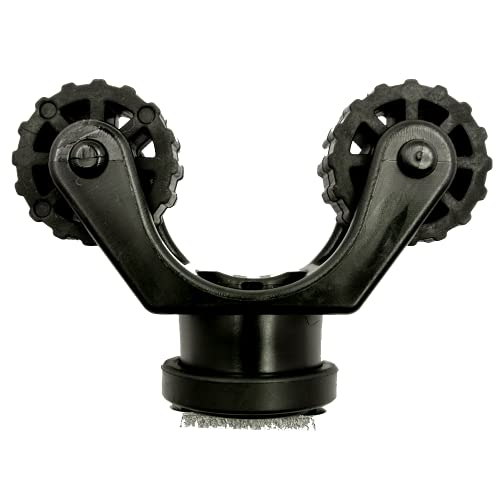
If you are the type of paddler who leaves their gear in the back of the truck or paddles in harsh, rocky environments, you need a grip that can take a beating. The YakAttack Paddle Grip is built with rugged, high-quality materials that resist tearing, UV degradation, and constant exposure to salt water. It is essentially the "workhorse" of the grip world, designed to last for years rather than a single season.
The texture is aggressive enough to provide a rock-solid hold, even when covered in sand or mud. Because of its durability, it is slightly firmer than other options, which some might find less luxurious, but the trade-off in longevity is well worth it. This is the clear choice for the serious adventurer who needs gear that won’t fail them in the middle of a remote excursion.
Sea-Lect Designs Grip: Best Budget Solution

You don’t need to spend a fortune to significantly improve your paddling experience. The Sea-Lect Designs grip offers a straightforward, effective design that hits all the right notes for a fraction of the cost of premium performance grips. It provides just enough cushion to take the edge off your paddle shaft, making it an excellent entry-level upgrade for beginners.
This grip is perfect for those who are just starting out and aren’t yet sure what their specific preferences are regarding texture or thickness. It is easy to install, easy to replace, and does exactly what it promises without unnecessary bells and whistles. If you are looking for an affordable way to stop your hands from aching on weekend outings, this is your best starting point.
Gili Sports Silicone Grip: Best For Softness

Sometimes, the simplest solution is the best, especially when it comes to skin sensitivity. The Gili Sports Silicone Grip is remarkably soft and pliable, offering a unique tactile experience that feels gentle against the palms. It provides a non-slip surface that is very forgiving, making it an excellent choice for paddlers who find foam or hard rubber to be too abrasive.
Because of its material properties, it remains grippy even when wet, which is a major advantage during splashy, choppy conditions. It is particularly well-suited for recreational paddlers who prioritize a soft, comfortable feel above all else. If you want a grip that feels like a premium, high-end accessory, this silicone option is the one to beat.
Bending Branches Grip: Best For Customization

Bending Branches understands that paddlers have different needs, and their grip solutions often focus on versatility. These grips are designed to be easily trimmed or adjusted, allowing you to tailor the fit to your exact hand size and preferred grip width. This level of customization is rare and invaluable for paddlers who have struggled to find a "perfect fit" off the shelf.
This grip is ideal for the tinkerer who likes to fine-tune their equipment to match their specific stroke style. It offers a great balance of comfort and control, and the ability to customize the length means you won’t have excess material getting in the way. For those who feel that standard grips are "almost" right but not quite perfect, this is the ideal solution.
Proper Installation Tips For Paddle Grips
Installing a new grip is a simple process, but the secret to success is in the preparation. Always clean your paddle shaft thoroughly with rubbing alcohol to remove any residual salt, oil, or sunscreen before applying the grip. A clean surface ensures that the adhesive bonds properly, preventing the grip from twisting or sliding during your next session.
If your grip is a slide-on style, a light mist of soapy water inside the grip can act as a lubricant, allowing it to slide into place before it dries and sets. For adhesive-backed grips, take your time to align them perfectly; once they touch the shaft, they are often difficult to reposition. Finally, let the adhesive cure for at least 24 hours before heading out to the water to ensure a permanent, slip-free bond.
Investing in a quality paddle grip is one of the most cost-effective ways to enhance your time on the water. By reducing the physical strain on your hands, you allow yourself to paddle longer, harder, and with much greater enjoyment. Take a moment to assess your current setup, choose the grip that matches your paddling style, and get back out there with the comfort you deserve.
