

7 Best Kayak Helmets For Protection For Whitewater Pros
Stay safe on the rapids with our top 7 whitewater kayak helmet picks. We evaluate durability, fit, and impact protection for professional-grade performance.
When you’re staring down a Class IV rapid, the last thing you want to worry about is the integrity of your head protection. A high-quality helmet isn’t just a piece of gear; it is your primary defense against the unpredictable nature of river rocks and hidden obstacles. Choosing the right lid means balancing heavy-duty impact resistance with the comfort required for long days on the water.
Disclosure: As an Amazon Associate, this site earns from qualifying purchases. Thank you!
Essential Safety Standards for Whitewater Helmets
When shopping for a whitewater helmet, the gold standard you must look for is the CE EN 1385 certification. This specific rating ensures the helmet has been rigorously tested for shock absorption, resistance to penetration, and retention system strength in aquatic environments. Never settle for a multi-sport or bicycle helmet, as they are designed to handle different impact forces and lack the drainage capabilities required for whitewater.
Beyond certification, consider the construction materials. Thermoplastic shells are common and durable, while composite materials like carbon fiber offer a superior strength-to-weight ratio. A proper helmet must also feature closed-cell foam that does not absorb water, keeping the gear lightweight even after multiple rolls or swims.
WRSI Trident Composite: The Ultimate Pro Choice


The WRSI Trident Composite is the gold standard for paddlers who prioritize maximum structural integrity. It utilizes a carbon fiber shell that provides incredible stiffness without the bulk, making it a favorite for expedition paddlers who spend days in remote canyons. If you are pushing the limits on steep creeks, the multi-impact capability of this helmet is worth every penny.
This isn’t a budget-friendly option, but it is an investment in professional-grade safety. The internal harness system is exceptionally stable, ensuring the helmet stays exactly where it needs to be during a high-energy swim. If you value top-tier protection above all else, the Trident is your go-to.
Sweet Protection Rocker: Elite Impact Resistance
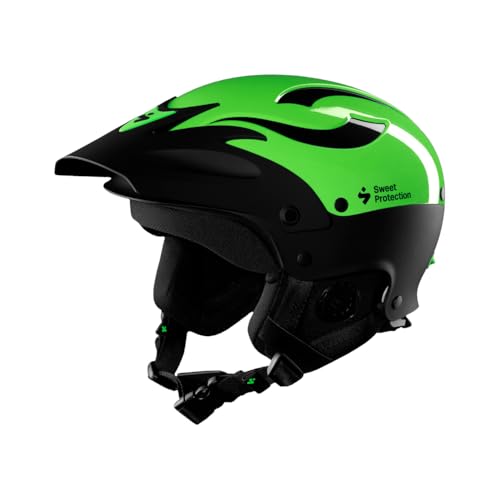
The Sweet Protection Rocker is legendary in the whitewater community for its "CRP" shell technology—a carbon-reinforced polymer that is virtually indestructible. It offers an incredible balance between coverage and weight, providing a low-profile look that doesn’t sacrifice safety. Many pros swear by this helmet for its ability to deflect glancing blows in technical boulder gardens.
The fit is snug and precise, which is exactly what you want when things get turbulent. While the price point is high, the longevity of the materials means you won’t be replacing it anytime soon. If you want the best-in-class impact dissipation, the Rocker is the definitive choice.
Shred Ready Standard Fullcut: Classic Pro Design
If you prefer the classic, full-coverage aesthetic that protects your ears and temples, the Shred Ready Standard Fullcut is a timeless workhorse. It features a high-density polyethylene shell that is incredibly tough and resilient to the repeated impacts common in shallow, rocky rivers. The design is simple, effective, and has been a staple for decades.
This helmet is ideal for paddlers who want a no-nonsense, reliable lid that offers full-face-adjacent protection. While it lacks some of the advanced adjustment dials found on modern composite helmets, its simplicity is its greatest strength. It’s perfect for those who want rugged reliability without the complex bells and whistles.
Predator FR7 Kayak Helmet: Versatile Protection

The Predator FR7 is the ultimate "do-it-all" helmet for paddlers who frequent diverse river conditions. Its design is heavily influenced by skate-style helmets, offering a comfortable, low-profile fit that looks as good as it performs. The dial-fit system allows for quick adjustments, which is a major plus if you frequently switch between wearing a skull cap and a full hood.
This helmet is perfect for the recreational pro who wants a balance of style and safety. It’s lightweight, well-ventilated, and stays secure even in heavy aerated water. For those who want a helmet that transitions easily from a casual afternoon run to a more intense technical session, the FR7 is a fantastic value.
NRS Chaos Side Cut: Lightweight Streamlined Fit
The NRS Chaos Side Cut is designed for paddlers who prioritize speed and weight reduction. By opting for a side-cut design, it sheds weight and improves hearing, which can be critical for communication during group maneuvers. It’s a slim, minimalist helmet that feels like an extension of your body rather than a bulky piece of equipment.
This is the perfect choice for play-boaters or slalom racers who need agility and a wide field of vision. While it provides less temple coverage than a full-cut model, the trade-off in comfort and weight is often worth it for high-performance river running. If you want a helmet that disappears while you paddle, this is the one.
Sweet Protection Wanderer: All-Around Performance

The Sweet Protection Wanderer is the younger sibling to the Rocker, offering a slightly more forgiving fit and a more versatile profile. It uses a tough thermoplastic shell that manages impacts exceptionally well for a mid-tier price point. It’s a great choice for paddlers who want professional safety standards without the extreme rigidity of a carbon-fiber shell.
The interior padding is plush and comfortable, making it a great choice for long days on the river where comfort is king. It’s reliable, stylish, and offers more than enough protection for most Class III and IV runs. If you want a high-performing helmet that doesn’t feel like a suit of armor, the Wanderer is your best bet.
WRSI Current Pro: Top Tier Multi-Impact Safety
The WRSI Current Pro is engineered specifically to handle the "multi-impact" nature of whitewater, featuring an internal liner that manages energy dissipation across a wide surface area. It’s a favorite among instructors and safety guides who need a helmet that can withstand the rigors of constant use. The integrated visor is a nice touch, helping to keep spray out of your eyes during intense rapids.
This helmet is built for those who demand consistency and durability. The retention system is easy to operate even with cold, wet fingers, which is a detail you’ll appreciate on a chilly day. If you want a helmet that feels like a fortress, the Current Pro is the professional choice.
Proper Helmet Fitting and Adjustment Techniques
A helmet is only as safe as its fit. Start by placing the helmet on your head and adjusting the rear cradle or dial until it is snug but not constricting. The helmet should sit level on your forehead, covering the top half of your brow, and should not shift significantly when you shake your head from side to side.
Next, focus on the chin strap. It should be tightened so that you can only fit one or two fingers between the strap and your chin. If the strap is too loose, the helmet will slide backward during an impact, exposing your forehead. Always perform a "shake test" before you launch to ensure the gear remains locked in place.
Inspecting and Maintaining Your Safety Gear
After every trip, rinse your helmet thoroughly with fresh water to remove grit, silt, and river salts that can degrade the shell and padding. Store it in a cool, dry place away from direct sunlight, as UV rays can weaken the plastic over time. Never leave your helmet in a hot car, as extreme temperatures can warp the shell and compromise the foam’s integrity.
Periodically inspect the shell for hairline cracks, deep gouges, or signs of stress. If you take a significant hit on a rock, the helmet has done its job and should be retired, even if the damage isn’t immediately visible. A helmet that has suffered a major impact is no longer structurally sound and must be replaced to ensure your continued safety.
Investing in a high-quality helmet is the most important decision you will make for your whitewater kit. By prioritizing fit, certification, and the specific demands of your paddling style, you can focus on the thrill of the river with confidence. Stay safe, respect the water, and keep your head protected on every run.
