6 Best Solar Pool Heater Diverter Valves For Control
Optimize your pool’s temperature with our top 6 solar heater diverter valves. Discover durable, efficient options for precise flow control and energy savings.
There is nothing quite as jarring as diving into a pool that feels like an ice bath when the sun is shining overhead. A reliable solar pool heater diverter valve is the unsung hero that ensures your water stays at that perfect, inviting temperature all season long. Getting this piece of plumbing right is the difference between a wasted backyard investment and a private oasis you can actually enjoy.
Disclosure: As an Amazon Associate, this site earns from qualifying purchases. Thank you!
Understanding Solar Pool Heater Diverter Valves
At its core, a solar diverter valve acts as the traffic controller for your pool’s plumbing system. When your sensors detect that the solar panels are hot enough to heat the water, the valve redirects flow away from the standard return line and up toward the roof or rack system. Once the water has absorbed that thermal energy, it flows back into the pool, creating a closed-loop heating cycle.
Without this valve, you would be manually turning handles every time a cloud passes or the sun sets, which is a recipe for frustration. These valves must handle high pressure and constant exposure to pool chemicals, meaning they need to be built for endurance. Choosing the right one isn’t just about plumbing; it’s about automating your comfort so you don’t have to think twice about your water temperature.
Jandy 3-Port NeverLube Valve for Solar Systems


If you want a "set it and forget it" solution, the Jandy NeverLube is the industry gold standard for a reason. Its unique design eliminates the need for internal lubrication, which prevents the sticky, stiff handle issues that plague cheaper valves over time. I recommend this for anyone tired of fighting with a seized valve every spring.
The construction is incredibly robust, making it ideal for high-pressure setups where flow rate is a priority. While it carries a premium price tag, the peace of mind you gain by not having to open it up for maintenance every season is worth every penny. If you value reliability above all else, this is the valve you want in your plumbing stack.
Hayward Goldline Actuated Valve for Automation

The Hayward Goldline is designed specifically for those who have embraced full pool automation. When paired with a compatible controller, it seamlessly integrates into your system to manage solar heating based on real-time temperature differentials. It is the perfect choice for the tech-savvy pool owner who wants their system to react instantly to changing weather conditions.
Because it is built for automation, the motor is responsive and smooth, ensuring your pump doesn’t experience unnecessary pressure spikes during the switching process. It is a sophisticated piece of gear that requires a bit more technical setup than a manual valve. If you are already running a Hayward automation system, this is the most logical and efficient integration you can make.

Pentair IntelliValve for Precise Flow Control

The Pentair IntelliValve stands out because it offers a level of customization that most other valves simply cannot match. It features an adjustable flow stop that allows you to calibrate exactly how much water is diverted to the solar panels versus the pool return. This is a game-changer if you have a massive solar array that requires balanced pressure to prevent pump strain.
The interface is intuitive, and the build quality is rugged enough to withstand the harshest outdoor elements. I suggest this for pool owners with complex plumbing configurations where "all or nothing" flow isn’t ideal. If you are a perfectionist who wants to dial in your heating efficiency to the exact degree, the IntelliValve is your best bet.
CMP Hi-Temp Diverter Valve for Durability
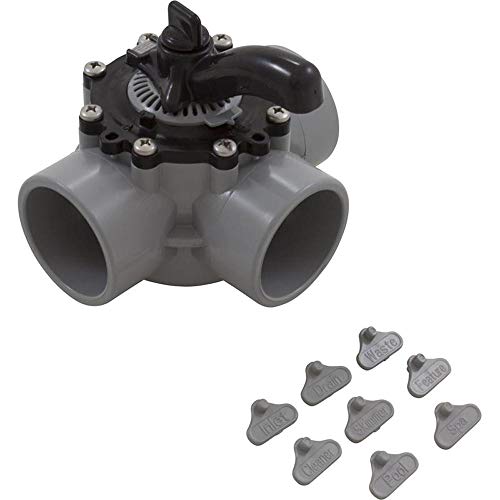
Sometimes, you don’t need fancy automation; you just need a valve that won’t leak or crack under the intense heat of a summer sun. The CMP Hi-Temp valve is engineered with heat-resistant materials that prevent the warping often seen in standard PVC valves. It is a no-nonsense, heavy-duty workhorse that excels in high-heat environments.
This valve is an excellent replacement if you are tired of standard valves failing after a couple of seasons of high-temperature solar operation. It is simple, reliable, and does exactly what it promises without unnecessary complexity. For the homeowner who prefers manual control and wants a product that will survive the test of time, this is a top-tier choice.
GVA-24 Actuator for Automatic Solar Switching
The GVA-24 is the motor that makes the magic happen, turning your manual diverter valve into an automatic one. It is compatible with most major valve brands, making it the ultimate tool for upgrading an existing manual system without tearing out your plumbing. It is quiet, powerful, and features a manual override switch for those rare moments when you need to take control yourself.
Installation is straightforward, provided you have a basic understanding of your pool’s electrical control box. It is the perfect middle ground for someone who wants the convenience of automation without replacing their entire valve assembly. If you already have a good valve but are tired of manually turning it, the GVA-24 is the upgrade you need.
Selecting the Right Valve Size for Your Flow
Choosing the wrong valve size is a common mistake that can lead to cavitation, where your pump struggles to pull water through a restricted opening. Most residential pool systems use 1.5-inch or 2-inch plumbing, and your valve must match this diameter to maintain laminar flow. Using an undersized valve will increase backpressure, which wears out your pump motor significantly faster.
When in doubt, always match the valve size to the largest pipe in your solar loop. If you are unsure, check the manufacturer’s label on your existing pump or filter plumbing to confirm your pipe diameter. A properly sized valve ensures that your solar heating system operates at peak efficiency without putting unnecessary stress on your circulation equipment.
Installation Tips for Solar Heating Loops
When installing your diverter, always ensure the valve is positioned in an accessible spot, as you will eventually need to reach it for routine inspections. Avoid placing it in tight corners or buried behind other equipment where a wrench won’t fit. A little bit of extra space during the plumbing phase pays off tenfold when you need to perform a quick repair.
Use high-quality PVC cement and ensure all joints are perfectly square before setting them. It is also wise to include unions on either side of the valve; these allow you to easily remove the entire unit for service without having to cut into your plumbing lines. Taking the time to build in these "serviceable points" is the hallmark of a veteran pool owner.
Maintenance Routine for Diverter Valve Seals
Even the best valves have O-rings that will eventually dry out or get grit trapped in them. Twice a year—usually when you open and close the pool—you should disassemble the valve and inspect the internal seals. A light application of silicone-based pool lubricant will keep the handle turning smoothly and ensure an airtight seal.
Never use petroleum-based lubricants, as they will degrade the rubber seals and cause the valve to leak almost immediately. If you notice any water weeping from the valve stem, address it right away before it turns into a full-blown spray. A few minutes of maintenance each season will extend the life of your diverter valve by several years.
Troubleshooting Common Solar Valve Flow Issues
If your solar panels aren’t heating up, the first thing to check is the valve position. Sometimes the handle can slip or the actuator can lose its calibration, leaving the valve stuck in the "bypass" position even when the system is supposedly on. A quick visual check of the handle alignment can save you a service call.
If you hear a grinding noise coming from the valve, it is likely that debris—like a stray piece of pool filter media—has become lodged in the diverter. Turn off the pump, isolate the valve, and clear any obstructions before restarting. Most flow issues are simple mechanical blockages that can be resolved in under ten minutes with the right approach.
Investing in a high-quality solar diverter valve transforms your pool from a seasonal liability into a reliable source of summer fun. By choosing the right gear and keeping up with basic maintenance, you ensure that your water stays warm and your system runs smoothly for years to come. Take the time to select the setup that fits your automation needs, and you will be well on your way to a perfect swimming season.