

6 Best Compact Cameras For Watersports For Snorkelers
Capture stunning underwater shots with our top 6 compact cameras for snorkeling. Discover durable, high-quality options perfect for your next aquatic adventure.
There is nothing quite like the silence of the reef interrupted only by the rhythmic sound of your own breath through a snorkel. Capturing that fleeting encounter with a sea turtle or the vibrant dance of schooling fish requires gear that can keep up with the fluid nature of the ocean. These six cameras turn those ephemeral moments into high-definition memories that last long after you have dried off.
Disclosure: As an Amazon Associate, this site earns from qualifying purchases. Thank you!
Essential Features for Snorkeling Cameras
When selecting a camera for the water, prioritize waterproofing without a bulky housing whenever possible. For snorkeling, you need a device that is lightweight enough to maneuver easily while you are treading water or diving down for a closer look. A streamlined profile prevents drag, ensuring you aren’t fighting your gear just to keep up with the current.
Look closely at the sensor size and image stabilization capabilities. Underwater light behaves differently than on land, often appearing softer and more diffused; therefore, a camera that handles high dynamic range effectively is non-negotiable. Finally, ensure the interface is tactile and intuitive, as you will likely be operating it with wet hands or while wearing thin gloves.
GoPro HERO12 Black: Top Choice for Clarity
Capture stunning 5.3K HDR video and 27MP photos with exceptional detail, even in challenging lighting. Enjoy incredibly smooth footage thanks to Emmy Award-winning HyperSmooth 6.0 stabilization, all within a rugged, waterproof design.


The GoPro HERO12 Black remains the gold standard for anyone who wants professional-grade footage without the steep learning curve. Its HyperSmooth 6.0 stabilization is effectively magic, turning shaky underwater swimming into cinematic, fluid motion. If you want a camera that you can simply hit "record" on and trust to capture the vibrant colors of a coral wall, this is your primary candidate.
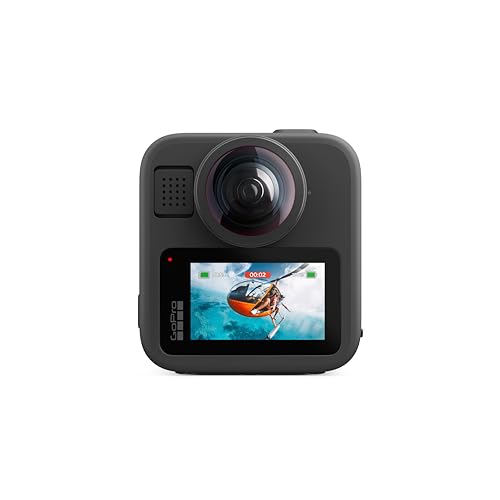
While it lacks a large sensor compared to some dedicated photography rigs, its HDR video capabilities are unmatched for the price point. It’s perfect for the active snorkeler who wants to clip the camera to a mask mount or a wrist strap and forget about it. If you prioritize ease of use and crisp, high-frame-rate video, the HERO12 is the definitive choice for your kit.
Olympus Tough TG-7: Best for Deep Diving
Capture stunning photos and videos in any environment with this rugged camera, waterproof to 15m and freezeproof to -10°C. Its fast F2.0 zoom lens delivers exceptional image quality, and RAW recording offers advanced editing options.

If you are more of a photographer than a videographer, the Olympus Tough TG-7 is a powerhouse that deserves your attention. Unlike action cameras, this is a ruggedized point-and-shoot with a fast lens, which makes a massive difference when shooting in the deeper, lower-light conditions of a reef drop-off. Its macro mode is legendary, allowing you to capture the intricate textures of coral or tiny nudibranchs that other cameras would miss.
The TG-7 is built like a tank and handles the transition from salt spray to deep submersion with zero hesitation. It is the ideal companion for the snorkeler who wants to move beyond snapshots and start composing real images. If you value zoom capabilities and manual control over wide-angle video, stop looking elsewhere—this is your camera.
DJI Osmo Action 4: Best Low Light Sensor
The DJI Osmo Action 4 is a revelation for those who snorkel in deeper water or during the golden hours of early morning and late afternoon. Its 1/1.3-inch sensor is significantly larger than many competitors, allowing it to pull in more light and produce less "noise" or graininess in shadows. When you are hovering over a dark crevice, this sensor helps maintain detail that would otherwise be lost to the abyss.
Beyond the sensor, the magnetic mounting system is a game changer for quick transitions between a selfie stick and a chest mount. It feels robust, reliable, and specifically designed for the realities of aquatic environments. If you frequently find yourself shooting in challenging, low-light conditions, the Action 4 provides the best visual fidelity in the current market.
Insta360 Ace Pro: Best for Wide Angle Shots
The Insta360 Ace Pro brings a unique perspective to your snorkeling trips, especially if you want to capture the "big picture" of a reef. Its wide-angle lens is exceptionally sharp, and it handles color reproduction with a natural warmth that makes underwater scenes look inviting rather than washed out. The flip-up touchscreen is a brilliant addition, allowing you to frame yourself perfectly if you are filming a vlog-style update from the surface.
This camera excels at capturing the scale of your environment, making it the best option for wide, sweeping shots of underwater landscapes. It is a fantastic choice for the social-media-savvy snorkeler who wants to create engaging, high-quality content. If you want a camera that captures the entire scene with stunning clarity, the Ace Pro is the right tool for the job.
Akaso Brave 8: Best Value for Beginners
Capture your adventures in stunning 4K with the AKASO Brave 7 LE action camera. Featuring dual screens for easy selfies and EIS 2.0 for smooth, stabilized video, it's also waterproof up to 131ft with the included housing.
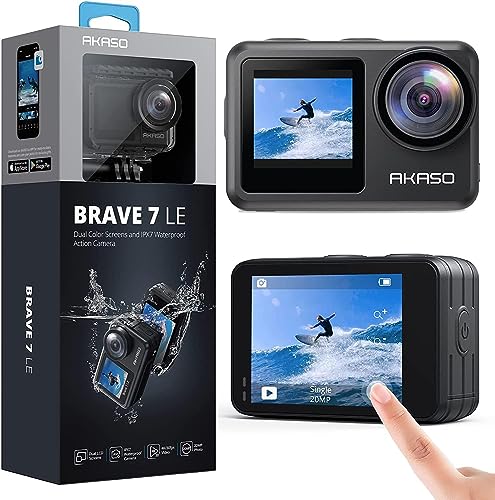
Not everyone needs a professional-grade cinema rig to enjoy capturing their snorkeling adventures. The Akaso Brave 8 offers a highly capable, feature-rich experience at a fraction of the cost of the big-name brands. It delivers 4K video and solid image stabilization that is more than sufficient for the casual vacationer who wants to share clips with family and friends.
It is straightforward, durable, and comes with a generous bundle of accessories right out of the box. While it may not have the extreme low-light performance of the more expensive models, it is a fantastic entry point for those dipping their toes into underwater photography. If you are a beginner looking for a reliable, cost-effective way to record your trips, the Brave 8 is your best bet.
SeaLife Micro 3.0: Best for Underwater Ease

The SeaLife Micro 3.0 is a specialized tool designed specifically for the underwater environment, and it shows in its permanent, flood-proof construction. Because it is permanently sealed, you never have to worry about O-rings failing or water ingress through a battery door. It features large, piano-key buttons that are incredibly easy to operate even while wearing thick neoprene gloves.
This camera is built for the snorkeler who finds standard action cameras too fiddly or frustrating to use in the water. It’s designed to be used with "Easy Setup" modes that automatically adjust for depth and lighting, removing the guesswork from your dive. If you want a camera that is practically indestructible and simple to operate, the SeaLife Micro 3.0 is the most stress-free option available.
Vital Accessories for Snorkeling Gear
To get the most out of these cameras, you need to invest in a few key accessories that ensure your gear stays safe and functional. A floating wrist strap is the single most important purchase; if your camera slips from your grip, you want it bobbing on the surface rather than sinking to the bottom of the ocean. Additionally, always carry a small bottle of anti-fog spray to treat your camera lens, as internal fogging can ruin an entire day of shooting.

- Red Filters: Essential for color correction when snorkeling below 15 feet.
- Retractable Lanyards: Keep your camera tethered to your life vest or gear bag.
- Microfiber Cloths: Keep one in a waterproof pouch to wipe away water droplets for crisp shots.
- Silica Gel Packs: Store these in your camera case to absorb residual moisture between sessions.
Camera Maintenance After Saltwater Use
Saltwater is the enemy of all electronics, so a rigorous post-snorkel routine is mandatory. As soon as you exit the water, rinse the entire camera thoroughly in a basin of fresh, lukewarm water. Do not use a high-pressure hose, as this can force salt and sand into the seals; simply soak and gently agitate the device for a few minutes.
After the soak, pat the camera dry with a clean, lint-free towel and leave it in a shaded, well-ventilated area to air dry completely. Never store your camera in its waterproof housing after a trip, as this traps moisture and promotes corrosion. Taking these few extra minutes of care will double the lifespan of your equipment.
Tips for Capturing Better Marine Photos
Light is your best friend, but it is also a fickle one, so aim to shoot during the middle of the day when the sun is directly overhead. This provides the maximum amount of light penetration into the water column, which results in brighter colors and less blue-tinted footage. Remember that the closer you get to your subject, the better; water acts as a filter, and the more distance between you and the fish, the more detail and color you lose.
Always try to shoot with the sun behind you or at your side, rather than pointing your camera directly into the sun. If you find your colors looking flat or overly blue, don’t be afraid to use color-grading apps after your trip to bring back the natural vibrancy of the reef. Above all, remain calm and move slowly—the more you blend into the environment, the more likely the marine life will come to you.
Investing in the right camera will transform your snorkeling trips from simple sightings into lasting visual narratives. By choosing gear that matches your skill level and maintenance habits, you ensure that every splash is documented with clarity and confidence. Now, grab your mask, secure your camera, and go explore the vibrant world waiting just beneath the surface.
