

6 Best Boat Repair Kits For Emergencies To Keep Onboard
Don’t get stranded at sea. Discover the 6 best emergency boat repair kits to keep onboard for quick, reliable fixes when you encounter unexpected hull damage.
There is no sinking feeling quite like hearing a sudden "thud" against the hull while miles away from the nearest marina. Having a dedicated emergency repair kit on board is the difference between a minor inconvenience and a full-blown maritime disaster. These six essentials ensure you can manage structural breaches and mechanical failures before they turn into emergencies.
Disclosure: As an Amazon Associate, this site earns from qualifying purchases. Thank you!
Essential Boat Repair Kits for Onboard Safety
Every seasoned captain knows that the ocean or lake is an unpredictable environment. Even the most well-maintained vessel can suffer from sudden hull breaches, torn upholstery, or leaking seals when you least expect it.
Carrying a comprehensive repair kit is not just about convenience; it is a fundamental pillar of maritime safety. By having the right tools on hand, you can perform "limp-home" repairs that keep your boat buoyant and operational until you reach a professional repair facility.
West Marine Emergency Repair Kit for Fiberglass


If your boat has a fiberglass hull—and most do—this kit is your best friend for addressing structural cracks or impact damage. It is designed specifically for those moments when a submerged log or a rough docking leaves you with a compromised exterior.
This kit provides a balanced mix of resins and reinforcing materials that cure quickly, even in less-than-ideal conditions. It is the gold standard for owners who want a professional-grade patch that won’t compromise the integrity of their hull. If you own a fiberglass vessel, this is an essential, non-negotiable item for your emergency locker.
Tear-Aid Type B Fabric Patch for Vinyl Repairs
Quickly repair vinyl and vinyl-coated items with the Tear-Aid Type B patch kit. This easy-to-use, peel-and-stick patch creates an airtight and watertight seal on items like tents, pool liners, and air mattresses.
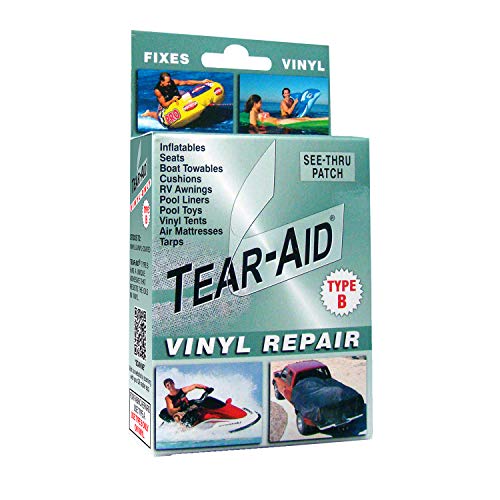
Vinyl seats and canvas covers take a beating from the sun, salt, and constant movement. A small rip in your bimini top can quickly turn into a shredded mess if left unaddressed, especially during a high-speed cruise.
Tear-Aid Type B is specifically formulated for vinyl and vinyl-coated materials, offering an airtight, watertight patch that resists UV rays. It is incredibly easy to apply—just peel, stick, and move on. This is the perfect solution for anyone who wants to prevent small tears from becoming expensive upholstery replacement projects.
3M Marine Adhesive Sealant 5200 for Hull Leaks
Bond and seal your boat or RV with 3M Marine Adhesive Sealant 5200. This fast-curing, waterproof formula creates a permanent, flexible bond that withstands vibration and weathering, above or below the waterline.

When you are dealing with a persistent leak, you need a sealant that is as tough as the boat itself. 3M 5200 is legendary in the boating community for its incredible strength and permanent bond.
It stays flexible, meaning it can absorb the vibration and movement of a hull without cracking or losing its seal. While it is difficult to remove once cured, that is exactly why you want it for an emergency. If you need to seal a through-hull fitting or a stubborn seam, this is the product that will hold until you are back on the hard.
JB Weld MarineWeld Epoxy for Metal Components
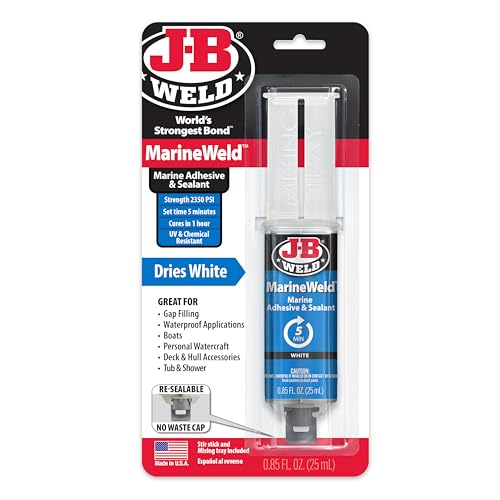
Metal fatigue and corrosion are the silent killers of marine engines and hardware. When a bracket snaps or a metal component develops a hairline crack, you need an epoxy that can handle the specific stresses of a marine environment.
MarineWeld is a two-part system that cures to a rock-hard finish capable of resisting water, oil, and gasoline. It is best suited for non-structural repairs on metal parts where welding isn’t an immediate option. Keep this in your engine room toolkit to handle those unexpected mechanical fractures.
Gorilla Waterproof Patch and Seal for Quick Fixes
Sometimes you don’t need a permanent, professional-grade fix; you just need to stop the water now. Gorilla’s waterproof tape is the ultimate "get-me-home" product for almost any surface.
It is thick, aggressive, and conforms to tight corners, making it ideal for sealing leaks in hoses or patching holes in plastic components. While it shouldn’t be your final repair, it is arguably the most versatile item in your kit. Every boater should have a roll tucked away for those "quick and dirty" fixes that save the day.
Star Brite Epoxy Putty Stick for Underwater Use
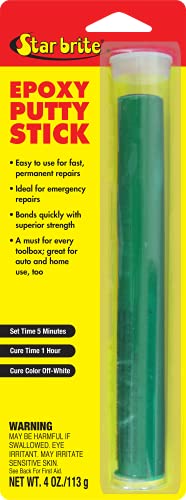
The ability to fix a leak without hauling the boat out of the water is a superpower every captain wants. Star Brite’s Epoxy Putty Stick is designed to harden even when submerged, making it invaluable for emergency hull repairs.
You simply knead the two-part putty together and press it into the breach. It is perfect for stopping water ingress around cracked fittings or small punctures in the hull. If you are planning an extended trip, this putty stick is an essential safety net for underwater emergencies.
Factors to Consider When Selecting Repair Kits
When building your kit, prioritize versatility and ease of use. You want products that can be applied by someone who isn’t a professional shipwright, especially when you are stressed or dealing with rough water.
- Compatibility: Ensure the repair material matches your boat’s substrate (e.g., fiberglass vs. aluminum).
- Cure Time: Look for products that work in wet or cold conditions.
- Shelf Life: Check expiration dates on resins and epoxies, as they degrade over time.
- Size and Storage: Choose compact kits that fit easily into your boat’s existing storage compartments.
How to Properly Store Your Onboard Repair Gear
Your repair kit is useless if it is buried under a pile of life jackets or waterlogged from poor storage. Keep your supplies in a dedicated, waterproof "ditch bag" or a hard-shell container that is easily accessible from the helm or engine room.
Label your containers clearly so that any passenger can find them in a panic. Periodically inspect your kit every season to replace expired sealants or dried-out tapes. A well-organized kit is a sign of a prepared captain.
Best Practices for Emergency Marine Patching
The most important rule of marine repair is to ensure the surface is as clean and dry as possible before applying any adhesive. Even the best epoxy will fail if it is applied over salt, grease, or marine growth.
Always carry a small supply of acetone or denatured alcohol for surface preparation. Remember that emergency repairs are often temporary; once you reach the dock, have a professional evaluate the damage to ensure your boat remains seaworthy. Safety is an ongoing process, not a one-time fix.
Maintaining a reliable emergency repair kit is the ultimate sign of a responsible and prepared water enthusiast. By choosing the right tools for your specific vessel and keeping them organized, you ensure that your time on the water remains focused on enjoyment rather than crisis management. Stay prepared, stay safe, and enjoy the journey ahead.
