

6 Best Solar Pool Heater Flow Meters For Monitoring Efficiency
Optimize your pool’s solar heating with our top 6 flow meter picks. Ensure peak efficiency and performance by monitoring water circulation with precision tools.
Stepping onto your pool deck on a crisp morning, you expect your solar heating system to be working hard to warm the water for an afternoon swim. Yet, without a way to measure the actual flow moving through your collectors, you are essentially guessing at your system’s efficiency. Investing in a reliable flow meter transforms your pool maintenance from a game of chance into a precision operation.
Disclosure: As an Amazon Associate, this site earns from qualifying purchases. Thank you!
Why Flow Meters Matter for Solar Pool Heating
Solar pool heating relies on a delicate balance between water velocity and heat exchange. If the water moves too slowly, it boils in the collectors and loses efficiency; move it too fast, and it doesn’t spend enough time absorbing the sun’s energy. A flow meter acts as your system’s speedometer, ensuring you are operating within the "sweet spot" defined by your specific panel manufacturer.
Beyond simple efficiency, these meters act as early warning systems for mechanical failure. A sudden drop in flow often signals a clogged filter, a failing pump, or a stuck valve before you even notice the water temperature dipping. By monitoring these numbers, you protect your investment from unnecessary wear and tear.
Understanding Solar Pool Heating Flow Dynamics
The physics of solar heating is governed by the rate of heat transfer, which is directly tied to Gallons Per Minute (GPM). Most solar collectors have a recommended flow rate range, usually printed right on the panel or in the manual. If you deviate from this range, you are either wasting electricity by over-pumping or wasting solar potential by under-circulating.
Think of it like a car engine; you wouldn’t drive without a tachometer to ensure you aren’t redlining the motor. Similarly, your pool pump works best when it isn’t fighting against excessive head pressure or moving water too sluggishly to capture heat. Keeping your GPM consistent is the single most effective way to maximize your solar yield throughout the swimming season.
Factors to Consider Before Buying a Flow Meter
When shopping for a meter, the most critical factor is the pipe size and material compatibility. Most residential systems use 1.5-inch or 2-inch PVC, and you must ensure your meter is rated for the pressure and flow volume of your specific plumbing setup. Don’t assume a universal fit; always verify your pipe diameter and the meter’s mounting requirements first.
Ease of installation and visibility are also major considerations for the DIY enthusiast. You want a meter that can be installed in a visible, accessible location so you can check it during your routine pool maintenance. Look for features like:
- UV-resistant materials to prevent degradation in direct sunlight.
- Clear, high-contrast scales that are readable from a distance.
- Minimal pressure drop to ensure the meter doesn’t impede your pump’s performance.
Blue-White Industries F-300 Series Flow Meter
If you want a "set it and forget it" solution, the Blue-White F-300 is an industry standard for a reason. It uses a simple, reliable float design that is incredibly easy to read at a glance. It is perfect for the homeowner who wants a no-nonsense, durable tool that won’t require constant recalibration.
Because it is designed specifically for PVC pipe, the installation is straightforward and robust. If your pool plumbing is standard and you prioritize reliability over fancy digital readouts, this is the meter for you. It’s a workhorse that consistently delivers accurate readings without any fuss.
GPM Series Inline Flow Meter for Pool Systems


The GPM Series inline meters are tailored for those who need a compact solution for tight mechanical rooms. These units are often smaller than traditional meters, making them ideal for systems where space on the return line is at a premium. They are highly effective for basic monitoring where you just need to ensure the pump is pushing the required volume.
However, keep in mind that these usually require a vertical pipe run to function correctly. If your plumbing layout is entirely horizontal, this might not be the right fit for your setup. For the right configuration, though, it is a sleek and efficient choice.
Dwyer Instruments Series Rate-Master Flow Meter
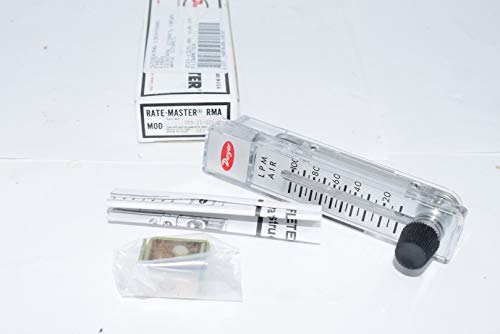
Dwyer is known for precision, and their Rate-Master series is a favorite among those who demand high-accuracy instrumentation. These are built to last and can handle a wider range of temperatures and pressures than standard pool-grade flow meters. If you have a complex solar array that requires exact flow balancing across multiple banks of collectors, this level of precision is worth the investment.
This meter is best suited for the advanced hobbyist or someone managing a larger-than-average residential pool system. While it might be overkill for a simple, single-pump setup, the build quality is unmatched. If you want to know exactly what is happening in your pipes, look no further.
Pentair 520272 FlowVis Flow Meter for Accuracy
The Pentair FlowVis is arguably the gold standard for modern pool plumbing because it combines a flow meter with a check valve. This is a brilliant design choice because it eliminates the need for an extra plumbing cut while providing highly accurate GPM readings. It is NSF-certified, which speaks volumes about its reliability and safety.

I highly recommend this for anyone building a new system or replacing an old check valve. It is incredibly intuitive to read, and having the flow data right on the check valve is a major convenience. It is a premium product, but for the peace of mind and the dual-functionality it provides, it is absolutely worth the cost.
Hayward W3500 Flow Meter for Solar Installations

Hayward’s W3500 is designed with the pool owner in mind, featuring a clear, easy-to-read scale that makes monitoring your solar loop simple. It is constructed to withstand the harsh chemicals found in pool water, which is a major plus for longevity. It integrates well with Hayward’s existing ecosystem, making it a natural choice if your pump and filter are already from the same brand.
If you have a Hayward-centric system, this meter will feel right at home. It is reliable, reasonably priced, and does exactly what it promises without unnecessary complexity. For the average pool owner who wants to keep an eye on their solar efficiency, this is a solid, dependable choice.
King Instrument 7500 Series Variable Area Meter
The King Instrument 7500 series is a heavy-duty option for those who want a meter that can withstand years of outdoor exposure. These are built from high-impact polysulfone, which is significantly more resistant to cracking and yellowing than cheaper plastic alternatives. If your pool equipment sits in a location with high sun exposure, the durability of this unit is a major advantage.
This meter is ideal for the pool owner who is tired of replacing brittle, clouded meters every few years. While the initial setup might be slightly more involved, the long-term performance makes it a wise investment. It is a rugged, professional-grade tool that won’t let you down.
Proper Installation and Calibration Techniques
Installing a flow meter correctly is just as important as choosing the right one. Most float-style meters require a vertical, straight run of pipe—usually at least 10 inches of pipe before and after the meter—to ensure the water flow is "laminar" or smooth. Turbulence caused by nearby elbows or valves will cause the float to bounce, leading to inaccurate and frustrating readings.
Once installed, take a moment to calibrate the meter against your pump’s performance curve. If your pump is running at a specific RPM, check the meter against the manufacturer’s expected GPM for that speed. If you notice a discrepancy, re-check your plumbing for any air leaks or debris that might be skewing the results before assuming the meter is faulty.
By taking the time to install a quality flow meter, you move from guessing about your pool’s temperature to mastering it. Whether you choose a dual-purpose check valve or a dedicated rugged meter, the data you gain will save you money on electricity and extend the life of your equipment. Keep your flow steady, keep your water warm, and enjoy your pool season to the fullest.
