6 Best Pool Ph Monitoring Sensors For Smart Homes
Maintain your pool effortlessly with our top 6 smart pH sensors. These devices offer real-time water quality tracking to ensure a healthy, balanced swim space.
Nothing ruins a perfect summer afternoon faster than the stinging eyes and murky green tint of an improperly balanced pool. Smart monitoring technology has finally moved past the guesswork of manual test strips, turning pool maintenance into a seamless, data-driven experience. These devices ensure your water remains crystal clear and safe for your family with minimal intervention.
Disclosure: As an Amazon Associate, this site earns from qualifying purchases. Thank you!
Why Smart Monitoring Matters for Pool Health
Maintaining a pool is a constant battle against nature, where sunlight, rainfall, and bather activity shift water chemistry by the hour. Manual testing often provides only a static snapshot, meaning by the time you notice a problem, your pool might already be harboring algae or bacteria. Smart sensors bridge this gap by providing real-time, continuous data that allows you to address imbalances before they spiral out of control.
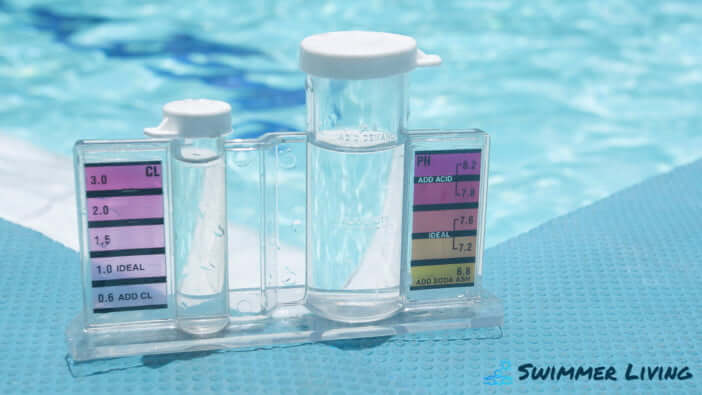
By automating the monitoring process, you eliminate the human error inherent in reading color-coded strips or liquid drops. These systems log data over time, helping you identify trends like how your pH fluctuates after a heavy rainstorm or a weekend pool party. Ultimately, this leads to lower chemical costs, as you only add what is strictly necessary rather than guessing based on outdated information.
Water Chemistry Basics for Smart Home Owners
For any pool owner, the "Big Three" metrics are pH, alkalinity, and sanitizer levels, typically chlorine or bromine. The pH level is the most critical, as it determines how effectively your sanitizer works; if your pH drifts too high or too low, even the most expensive chlorine becomes virtually useless. Keeping this balance isn’t just about clarity—it’s about preventing corrosion on your equipment and protecting the skin and eyes of your swimmers.
Many homeowners fall into the trap of "shocking" their pool as a cure-all for every problem, but this is a reactive approach that wears down liners and equipment. A smart sensor teaches you the relationship between these chemicals, showing you exactly how alkalinity acts as a buffer to keep your pH stable. Understanding these basics turns you from a reactive cleaner into a proactive pool manager, saving you time and money in the long run.
Sutro Smart Water Monitor: The Top Premium Pick
If you want the absolute gold standard in pool automation, the Sutro is the device to beat. Unlike passive sensors that sit in the water, this unit actually pulls a sample, tests it using reagent cartridges, and uploads the results to your phone. It is essentially a professional lab technician living inside your skimmer basket.
This monitor is perfect for the homeowner who values "set it and forget it" convenience and doesn’t mind the recurring cost of replacement cartridges. Because it uses real chemistry rather than just electrical conductivity, the accuracy is unparalleled in the residential market. If you have a high-end pool and want to ensure it stays pristine without ever touching a test kit, the Sutro is worth every penny.
WaterGuru SENSE: Best for Precise Flow Analysis
The WaterGuru SENSE is a brilliant piece of engineering that sits directly in your skimmer, allowing it to monitor the water as it flows toward your filtration system. This positioning is a massive advantage because it measures the water that is actually being filtered, rather than just the stagnant water in the middle of the pool. It provides a highly accurate reading of your pool’s overall health by analyzing the "heartbeat" of your circulation system.
This device is best suited for those who want deep insights into how their pump and filter settings impact water quality. It is incredibly easy to set up and provides a clear, intuitive app interface that tells you exactly how much chemical to add based on your pool’s specific volume. If you are a data-driven owner who wants to optimize your pump run times while keeping chemistry perfect, the SENSE is a fantastic choice.
pHin Smart Water Monitor: Best for Ease of Use
The pHin is the ultimate choice for the pool owner who finds traditional chemistry kits intimidating. It floats in your pool like a buoy, constantly scanning the water and sending color-coded alerts to your smartphone. When it’s time to add chemicals, the app tells you exactly what to buy and how much to pour, removing all the guesswork from the process.
This monitor is designed for simplicity, making it the perfect entry point for those new to pool ownership. While it may lack some of the granular, analytical data of the more professional units, it excels at providing actionable, easy-to-follow instructions. If you want a stress-free experience and just need to know that your water is safe for the kids to jump into, the pHin is the most user-friendly option available.
iopool EcO Start: Best Compact Sensor Option
The iopool EcO is a sleek, unobtrusive sensor that is perfect for smaller pools, spas, or hot tubs. Because it is so compact, it doesn’t get in the way of swimmers or look like an eyesore floating on the surface. Despite its small size, it provides consistent monitoring of pH, ORP (sanitizer level), and temperature, syncing everything via Bluetooth to your mobile device.
This is the ideal sensor for someone who wants to monitor their water quality without a bulky piece of equipment cluttering up the pool. It is highly durable and designed to handle the intense heat of a hot tub or the chemical demands of a small splash pool. If you have limited space and want a reliable, low-profile way to keep tabs on your water, the iopool EcO is a winner.
PoolLab 1.0 Photometer: Best for Pro Accuracy
The PoolLab 1.0 is not a floating sensor, but rather a professional-grade handheld photometer that brings lab-level testing to your backyard. You collect a water sample, add the required tablet, and the device uses light absorption to give you a precise reading of up to 13 different parameters. It is the tool of choice for the meticulous owner who demands absolute accuracy over automated convenience.
This device is perfect for the "pool nerd" who enjoys the process of testing and wants to ensure their chemistry is dialed in to the decimal point. It provides a level of detail that no floating sensor can match, including measurements for cyanuric acid, calcium hardness, and various metals. If you are serious about water chemistry and want to avoid the limitations of consumer-grade electronics, the PoolLab 1.0 is the only way to go.
Ondilo ICO Spa and Pool: Best Solar-Powered Unit
The Ondilo ICO is a standout because of its integrated solar panels, which keep the device powered without the need for frequent battery changes. It is a robust, intelligent sensor that monitors pH, salinity, and temperature, and it even connects to your home Wi-Fi to provide updates anywhere in the world. Its ability to learn your pool’s specific behavior over time makes it one of the smartest options on the market.
This unit is perfect for the tech-savvy homeowner who wants a sustainable, low-maintenance solution. The solar-powered design means you can drop it in and let it work for months at a time without intervention. If you want a device that integrates well with other smart home systems and offers set-it-and-forget-it reliability, the Ondilo ICO is a top-tier contender.
Key Features to Evaluate Before You Purchase
When choosing a sensor, your first priority should be the specific parameters the device tracks. While all sensors measure pH, not all of them track alkalinity or cyanuric acid—the two most important factors for pH stability. You should also consider how the device communicates with your phone, as Bluetooth-only models require you to be within range, while Wi-Fi units allow for remote monitoring.
Another major consideration is the maintenance of the sensor itself. Many units require periodic cleaning of the probes or calibration with a test solution to ensure accuracy. Don’t overlook the cost of replacement cartridges or subscription fees associated with the app, as these can add up significantly over the lifespan of the device.
Installing and Calibrating Your New Sensor
Installation is generally straightforward, but you must ensure your sensor is placed in an area with good water circulation. Avoid placing it right next to a return jet or skimmer intake, as these areas can give skewed readings that don’t represent the rest of the pool. Most units require a quick "soak" period to stabilize, so be patient before relying on the initial data.
Calibration is the secret to a long-lasting, accurate sensor. Even the best devices will drift over time, so make it a habit to perform a manual test with a high-quality drop-based kit once a month to verify the sensor’s readings. If you notice a discrepancy, follow the manufacturer’s instructions to recalibrate; treating your sensor with this basic care will ensure your pool stays healthy for years.
Investing in a smart monitor transforms pool maintenance from a dreaded chore into a simple, automated part of your home management. By choosing the right device for your specific needs, you gain the peace of mind that comes with knowing your water is always safe, balanced, and ready for a swim. Take the leap into digital monitoring today, and spend less time testing your water and more time enjoying it.