6 Best Pool Pump Priming Solutions for Faster Starts
Struggling with pool pump airlocks? Discover six efficient priming techniques to ensure faster, reliable startups and extend your system’s overall lifespan.
There is nothing quite as frustrating as standing by your pump on a hot summer morning, listening to it struggle as it gasps for water. A pool pump that refuses to prime isn’t just an annoyance; it’s a sign that your circulation system is fighting an uphill battle against air. By mastering these priming techniques, you’ll spend less time troubleshooting and more time enjoying the crystal-clear water you deserve.
Disclosure: As an Amazon Associate, this site earns from qualifying purchases. Thank you!
Understanding Why Pool Pumps Lose Their Prime
A pool pump loses its prime when air replaces the water inside the pump housing, effectively breaking the vacuum needed to pull water from the pool. This usually happens due to a compromised seal, a crack in the plumbing, or simply because the water level in the pump basket has drained back into the pool. Once air enters the system, the impeller spins in a vacuum, which can quickly overheat the pump motor if left unchecked.
The most common culprit is a small air leak on the suction side, which is the plumbing leading from the pool skimmer to the pump. Even a microscopic opening, often invisible to the naked eye, allows air to be sucked into the line faster than the pump can purge it. Understanding that your pump is a closed-loop system is vital; if the "loop" has a hole, the pressure balance is lost, and the pump will never reach full flow.
Hayward SPX1600S Strainer Cover for Air Leaks


If you are running a Super Pump, the Hayward SPX1600S strainer cover is often the first line of defense against stubborn air leaks. Over time, plastic lids can develop hairline fractures or warp due to constant heat exposure, allowing air to seep into the housing even if the O-ring looks pristine.
I recommend this cover for anyone who has noticed their pump basket lid is showing signs of cloudiness or physical stress. It is a precise, OEM-engineered fit that restores the airtight seal necessary for rapid priming. If your current lid is more than a few years old, this is the most cost-effective insurance policy you can buy for your pump’s longevity.
Using Magic Lube Silicone Grease for O-Rings
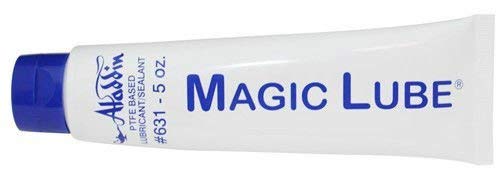
Many pool owners make the mistake of installing O-rings bone-dry, which is a recipe for a failed seal. Magic Lube silicone grease is the gold standard for conditioning rubber gaskets and ensuring they seat perfectly against the pump housing. It creates a tacky, waterproof barrier that fills in small imperfections, preventing air from sneaking past the lid.
You only need a thin, consistent layer to get the job done right. Avoid over-applying, as excess grease can actually trap debris and prevent the O-ring from seating flush. For anyone struggling with a pump that loses prime overnight, a fresh application of this lubricant is the easiest and cheapest fix to try first.
Pentair R172227 Lid O-Ring Replacement Kit
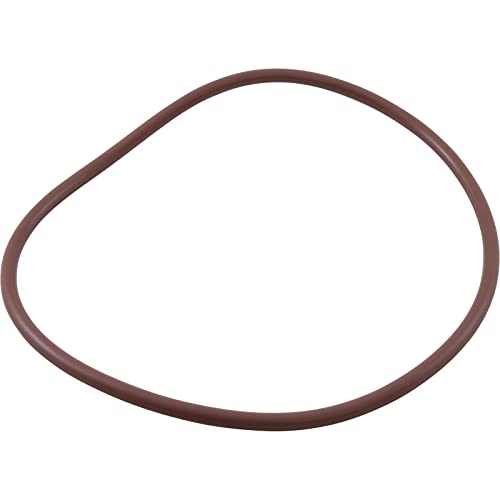
When your pump struggles to catch, the O-ring is usually the first casualty of wear and tear. The Pentair R172227 kit is an essential item to keep on your workbench because it provides a high-quality, factory-spec replacement that eliminates guesswork. If your current O-ring feels flat, brittle, or has lost its elasticity, no amount of lubrication will save it.
This kit is perfect for the DIYer who wants to ensure their pump seal is as tight as the day it was installed. It is specifically designed for Pentair’s WhisperFlo and IntelliFlo lines, offering a perfect fit that prevents the common "sucking air" sound. If your pump is older than three seasons, replacing this O-ring is a mandatory maintenance step that will pay dividends in priming speed.
The Role of Check Valves in Priming Efficiency
A check valve is a simple, one-way gate that allows water to flow toward the pump but prevents it from flowing back into the pool when the motor shuts off. Without one, water in the suction line often drains back toward the skimmer, forcing the pump to "dry start" every single time you cycle it. This constant dry starting puts unnecessary strain on the pump’s mechanical seal and impeller.
Installing a check valve essentially keeps the "prime" locked in place, meaning your pump starts with a full housing of water the moment it kicks on. It is a game-changer for systems where the pump is located above the water level, as it eliminates the need to manually refill the basket. If you value equipment longevity, this is a non-negotiable upgrade.
Jandy 7305 Check Valve for Backflow Prevention
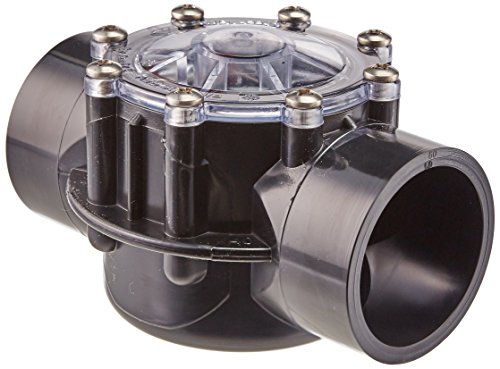
The Jandy 7305 check valve is widely considered the industry benchmark for reliability and flow efficiency. Its clear lid design is a brilliant touch, allowing you to visually inspect the internal flapper for debris without having to disassemble the entire plumbing line.
This product is ideal for pool owners who are tired of losing their prime every time the timer clicks off. It is robust, easy to install for anyone comfortable with basic PVC plumbing, and provides a level of peace of mind that cheaper alternatives simply can’t match. If you want a "set it and forget it" solution to backflow issues, this is the valve to choose.
Using a Garden Hose to Force Prime the System
Sometimes the system just needs a helping hand to get the air out. By inserting a garden hose into the skimmer line and wrapping a rag around it to create a seal, you can force water through the pipes and straight into the pump basket. This "forced prime" pushes the air pockets out through the pump’s discharge side, effectively jumpstarting the flow.
This technique is a lifesaver after you’ve cleaned the pump basket or performed a filter change. It’s a practical, low-tech way to verify that your suction lines are clear and that the pump is ready to take over. Just be careful not to use excessive water pressure, as you don’t want to damage the delicate internal components of your pool plumbing.
Installing the Poolmaster 32190 Vacuum Plate

The Poolmaster 32190 vacuum plate is a clever tool that makes the priming process much cleaner and more efficient. By creating a sealed connection between your vacuum hose and the skimmer, it allows you to prime the entire length of the vacuum hose before you even start the pump. This removes the air from the hose, which is a common source of "gurgling" that causes pumps to lose their prime.
This is a must-have for anyone who vacuums their pool manually and finds that their pump frequently stalls during the process. It simplifies the connection, ensures a consistent flow, and protects your pump from the stress of air-heavy water. If you want a smoother, more professional cleaning experience, this plate is a highly recommended addition to your kit.
Troubleshooting Air Pockets in Suction Lines
If you still see bubbles in your pump basket after checking the lid and O-rings, the problem is likely deeper in the suction line. Air pockets can get trapped in high points of the plumbing, especially if your pipes run over a slight rise or through an uneven trench. To fix this, you may need to bleed the air by opening a union on the suction side while the pump is running, though this should be done with caution.
Check your skimmer weir—the little flap that moves back and forth—to ensure it isn’t sticking and sucking in air from the surface. Sometimes, simply lowering the water level or adjusting the skimmer basket can stop the vortex that pulls air into the line. Always look for the simplest explanation first; more often than not, the solution is right at the water’s surface.
Routine Maintenance for Long-Term Pump Health
Maintaining your pump’s prime is about consistency, not just fixing things when they break. Keep your pump basket clear of leaves and debris, as a clogged basket forces the pump to work harder and increases the likelihood of air being drawn in. A clean system is a well-primed system, and it will last significantly longer as a result.
Check your O-rings and seals at the start of every season, and keep a spare kit on hand. By staying ahead of minor leaks and ensuring your plumbing remains airtight, you avoid the high cost of motor replacement and the frustration of a dead pump. Treat your pump well, and it will keep your water moving perfectly all summer long.
Achieving a fast, reliable prime is the hallmark of a well-maintained pool system. By addressing potential air leaks, utilizing the right hardware like check valves and high-quality O-rings, and keeping your lines clear, you ensure your pump operates at peak efficiency. Stay proactive with your maintenance, and you’ll enjoy a season of trouble-free swimming.