

6 Best Pool Pump Flow Meters for Efficient Filtration
Optimize your filtration with our top 6 pool flow meter picks. Learn how precise monitoring boosts energy efficiency and ensures a cleaner, healthier pool.
Ever wonder why your pool water turns cloudy even when the pump is running for hours on end? Most homeowners treat their filtration systems as a "set it and forget it" appliance, but without knowing your actual flow rate, you are likely wasting electricity or starving your filter of the pressure it needs. Installing a flow meter is the single most effective way to turn guesswork into professional-grade pool management.
Disclosure: As an Amazon Associate, this site earns from qualifying purchases. Thank you!
The Importance of Monitoring Pool Pump Flow Rates
Monitoring your flow rate is essentially about finding the "sweet spot" for your pool’s circulation. If your water moves too fast, your filter media—whether sand or cartridges—won’t have enough contact time to trap fine debris. Conversely, moving too slowly prevents proper skimming and can lead to dead zones where algae thrives.
Beyond water clarity, flow rate is a critical indicator of system health. A sudden drop in flow often alerts you to a clogged skimmer basket or a dirty filter long before the pressure gauge shows a red-line spike. By keeping your flow within the manufacturer’s recommended range, you also extend the lifespan of your pump motor by preventing it from working against unnecessary resistance.
Blue-White F-300 Series: Best For In-Ground Pools
The Blue-White F-300 is a classic for a reason, and it remains my go-to recommendation for standard in-ground pool setups. It uses a simple, reliable pitot tube design that mounts directly onto your existing PVC pipe without requiring complex plumbing modifications. It’s rugged, affordable, and provides a clear, easy-to-read scale that doesn’t fade under the sun.
If you are looking for a straightforward, "install it and leave it" solution, this is your best bet. While it lacks the high-tech bells and whistles of digital sensors, its mechanical simplicity means there is virtually nothing that can break. If you own a standard residential pool and just want to know your GPM at a glance, the F-300 is the most practical investment you can make.
GPM FlowVis Flow Meter: Top Choice For Accuracy


When precision is your top priority, the FlowVis is in a league of its own. Unlike standard meters that can be thrown off by turbulence or air bubbles, the FlowVis utilizes a patented flapper design that is exceptionally accurate across a wide range of flow rates. It is also unique because it combines a flow meter with a check valve, effectively killing two birds with one stone.
I recommend this for pool owners who are serious about energy efficiency or those running complex variable-speed pumps. Because it is NSF-certified, you can trust that the readings are laboratory-grade. If you are the type of person who likes to dial in your pump’s RPMs to the exact gallon per minute for maximum energy savings, the FlowVis is the only choice that makes sense.
Pentair R172271 Flow Meter: Best For Reliability

Pentair has built a reputation on equipment that survives years of harsh, outdoor exposure, and the R172271 is no exception. This meter is designed specifically for those who want a long-term, set-and-forget solution that won’t require recalibration. It’s built with high-quality, UV-resistant materials that won’t turn brittle or yellow after a few seasons in the sun.
This model is ideal for the pool owner who prioritizes brand consistency and proven performance. It isn’t the flashiest meter on the market, but it is incredibly dependable and integrates seamlessly into systems that already rely on Pentair plumbing components. If you want a piece of gear that will still be working perfectly five years from now, this is your winner.
Dwyer Rate-Master Series: Best Industrial Option
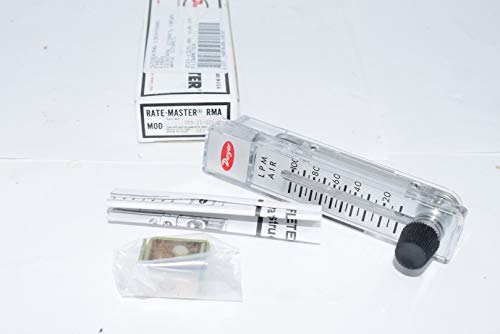
The Dwyer Rate-Master is the heavy-duty choice for those who want industrial-grade construction in their backyard. These meters are often used in commercial applications because they are built to withstand high pressures and varying temperatures without losing accuracy. They are slightly more complex to install, but the trade-off is a level of durability that residential-grade meters simply cannot match.
Choose this if you have a large, high-volume pool or a spa system that pushes high GPMs through your filtration loop. While it might be overkill for a small above-ground pool, it is the perfect solution for a high-end custom build or a pool with extensive water features. If you value industrial build quality, this is the gold standard.
Sea-Clear 1000 Series: Best For Easy Installation

If the thought of cutting into your plumbing makes you nervous, the Sea-Clear 1000 is designed to ease your anxiety. It features a user-friendly, clamp-on design that allows for installation in minutes without needing to drain your lines or use messy PVC primer. It’s a perfect entry-level option for the DIY enthusiast who wants to start monitoring flow without a major plumbing project.
This meter is ideal for those with limited space or tight plumbing configurations where traditional inline meters won’t fit. It provides clear, legible data and is very easy to clean if it ever gets blocked. If you want a quick, hassle-free upgrade to your pool system, the Sea-Clear 1000 is the most accessible path forward.
Hayward W3GLX-FLO-RP: Best For Automation Systems

The Hayward W3GLX-FLO-RP is designed with modern automation in mind, making it the perfect partner for Hayward’s OmniLogic or ProLogic systems. It’s built to communicate effectively within the Hayward ecosystem, providing the data needed for your controller to manage pump speed automatically. It is a vital component for anyone trying to build a "smart" pool.
If you already have a Hayward control system, don’t look at anything else. This meter is engineered to integrate perfectly, ensuring that your automation software receives the accurate flow data it needs to optimize your filtration cycles. It is the missing link for a truly automated, energy-efficient pool setup.
Factors Affecting Your Pool Pump Flow Efficiency
Your flow rate isn’t just about the pump; it’s about the entire hydraulic loop. The diameter of your plumbing, the number of elbows and bends, and the distance from the pool to the equipment pad all create "head pressure" that slows down water flow. Even a slightly dirty filter cartridge can cut your flow rate by 20% or more, drastically reducing your system’s efficiency.
- Pipe Diameter: Smaller pipes create more friction and restrict flow.
- Filter Condition: Clean media allows for higher flow; dirty media acts as a bottleneck.
- Pump Speed: Variable-speed pumps allow you to throttle flow to match specific tasks like heating or skimming.
- Plumbing Layout: Every 90-degree elbow adds resistance, so a direct, straight run is always better for flow.
How To Properly Install A New Pool Flow Meter
Installation begins with selecting a location that is as far away from elbows or valves as possible. Flow meters need "straight pipe" run—typically at least 10 inches before and after the meter—to ensure the water flow is laminar, or smooth, rather than turbulent. If the water is swirling when it hits the sensor, your readings will be erratic and unreliable.
Once you have identified the spot, ensure your plumbing is clean and dry before applying any adhesives or clamps. If you are using a glue-in model, hold the meter firmly in place to ensure a perfect seal. After installation, always prime the system slowly to avoid air pockets, which can damage sensitive internal components or cause inaccurate initial readings.
Maintaining Your Flow Meter For Long-Term Use
Flow meters are generally low-maintenance, but they aren’t immune to the elements. Once a season, check the indicator (the float or the needle) to ensure it moves freely without sticking. If you notice the reading is erratic, a quick flush of the sensor area with fresh water often clears away any trapped air or debris that might be interfering with the mechanism.
Avoid using harsh chemical cleaners on the clear plastic housing, as these can cause "crazing," or tiny stress cracks, over time. Simply wiping the exterior with a damp cloth is usually enough to keep it legible. By taking five minutes once a month to verify that your flow rate matches your baseline, you’ll catch potential filter issues before they become expensive repairs.
Investing in a pool flow meter is one of the smartest decisions you can make to protect your equipment and your water quality. Whether you choose the precision of a FlowVis or the simplicity of a Blue-White, you are taking control of your pool’s health rather than leaving it to chance. Keep your flow steady, your filter clean, and you will enjoy a crystal-clear swimming season all year long.
