

6 Best Tactical Goggles For Splash Protection for Lab Work
Stay safe in the lab with our top 6 tactical goggles. We analyze the best splash-resistant options, focusing on durability, fit, and essential eye protection.
Whether you are managing chemical reagents or dealing with high-pressure fluid dynamics in a lab setting, protecting your eyes from splashes is non-negotiable. Just as a seasoned sailor respects the unpredictable nature of a rogue wave, a lab professional must treat every liquid transfer as a potential hazard. These six tactical goggles are designed to provide that essential barrier between your vision and volatile substances.
Disclosure: As an Amazon Associate, this site earns from qualifying purchases. Thank you!
Understanding Lab Splash Safety Standards
When selecting eye protection, the gold standard you need to look for is the ANSI Z87.1 rating. This certification ensures the eyewear has been tested for impact resistance and, crucially, provides a seal against chemical splashes. Without this specific rating, you are essentially gambling with your eyesight every time you handle hazardous materials.
Beyond the basic impact rating, look for the "D3" droplet and splash rating. This indicates that the goggles have been tested to prevent liquid ingress, which is vital when working with acids or solvents. Never settle for standard safety glasses when your protocol calls for splash protection, as the peripheral gaps in glasses offer zero defense against a horizontal spray.
Bolle Safety IRI-s: Best All-Around Protection
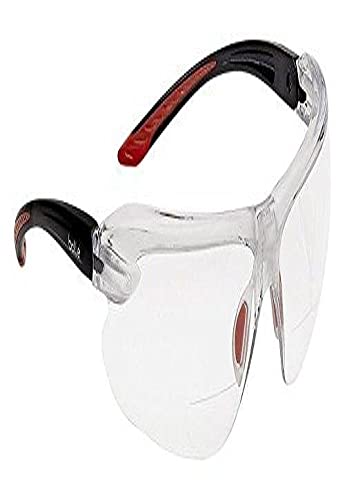

The Bolle Safety IRI-s is a fantastic entry point for those who want a hybrid between a spectacle and a goggle. Its unique design features a tilting bridge and adjustable temples, which allows it to conform to a wider range of facial structures than fixed-frame options. It provides a surprisingly tight seal that effectively blocks splashes while maintaining the lightweight feel of traditional glasses.
This is the perfect choice for the professional who moves between low-risk tasks and occasional liquid handling. It isn’t a full-seal airtight unit, so if you are working with highly volatile fumes or pressurized chemicals, you should look elsewhere. However, for general lab work, its versatility and comfort make it a reliable daily driver.
Uvex Stealth OTG: Best For Prescription Users
If you wear glasses, you know the frustration of trying to fit clunky goggles over your frames. The Uvex Stealth OTG (Over-the-Glass) solves this by offering a wide, deep-profile lens housing that accommodates almost any prescription frame without pinching or fogging. It’s a game-changer for those who need clear vision to perform precise, delicate lab work.
The soft, elastomer body contours to your face, creating a secure seal that prevents liquid from trickling down into your eyes. Because it is specifically engineered for OTG use, the ventilation is positioned to prevent the "double-fog" effect that happens when your glasses and goggles clash. If you wear spectacles, this is the most practical solution on the market.
3M GoggleGear 500: Best Anti-Fog Technology
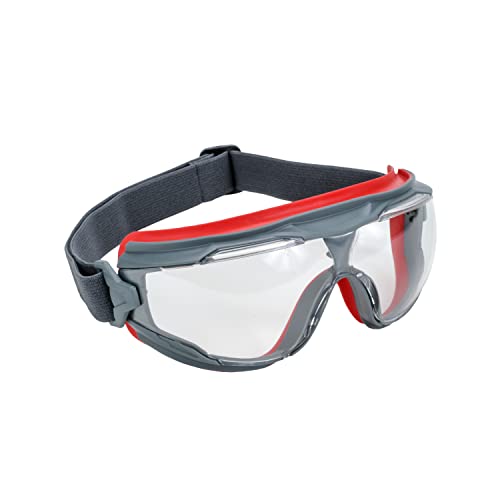
Fogging is the silent enemy of safety; when you can’t see, you’re tempted to take your gear off, which is when accidents happen. The 3M GoggleGear 500 features a proprietary Scotchgard anti-fog coating that is significantly more durable than standard treatments. It resists fogging even in high-humidity environments or during long sessions under a fume hood.
This coating is bonded directly to the lens, meaning it won’t wash off after a few cleanings. If your work involves temperature fluctuations or intense physical focus where you might break a sweat, these are the goggles for you. They provide a high-performance, low-maintenance solution for the busy lab environment.
Pyramex V2G-Plus: Best For Ventilation Control
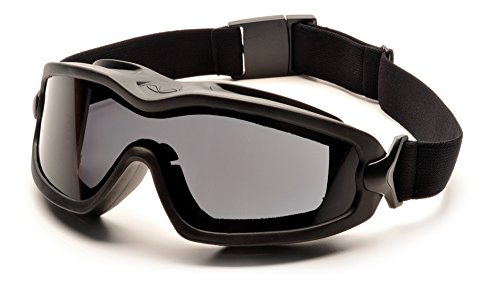
The Pyramex V2G-Plus stands out because of its unique dual-pane lens and adjustable ventilation ports. You can open the vents to increase airflow when you are working in a cool, dry environment, or close them tight when you need maximum protection against chemical splashes. This level of customization is rare and incredibly useful for labs with varying safety requirements.
The strap system is also exceptionally robust, ensuring the goggles stay firmly in place during active movement. While the extra hardware makes them slightly heavier, the trade-off in control is well worth it. If you find yourself constantly battling the balance between breathability and splash protection, these are your best bet.
Honeywell Uvex Flex: Best Lightweight Comfort

Sometimes the best piece of equipment is the one you forget you’re wearing. The Honeywell Uvex Flex is designed with a soft, flexible frame that distributes pressure evenly across the face, eliminating the "raccoon eyes" effect after a long shift. Its low-profile design is perfect for confined spaces where bulky goggles might snag or hit equipment.
Despite its lightweight nature, it doesn’t sacrifice safety; it meets all necessary splash-protection standards. It is an excellent choice for students or technicians who spend the majority of their day in the lab and need gear that doesn’t cause fatigue. If comfort is your primary barrier to consistent safety compliance, this is the pair you need.
ESS Profile NVG: Best For High-Impact Lab Work

The ESS Profile NVG is built for environments where physical hazards are just as likely as chemical ones. Originally designed for tactical use, these goggles feature an exceptionally thick, impact-resistant lens and an ultra-secure seal. They are the "heavy artillery" of lab safety, perfect for high-pressure systems or environments with flying debris.
They are undoubtedly overkill for a standard titration, but if you are working with pressurized reactors or heavy-duty machinery, they offer unparalleled security. The airflow is optimized to prevent fogging during high-intensity tasks. If you work in a high-risk lab setting, do not compromise; invest in the industrial-grade protection these provide.
Selecting The Right Lens Coating For Labs
Anti-fogging is the most critical feature to look for in a lab setting, but not all coatings are created equal. Look for "permanent" or "bonded" coatings rather than simple sprays, as the latter will degrade quickly with repeated cleaning. A high-quality coating will save you from the dangerous habit of removing your goggles to wipe them clean mid-experiment.
Additionally, consider an anti-scratch coating if your lab environment involves abrasive materials or frequent cleaning cycles. A scratched lens distorts vision and can lead to eye strain, which is a significant distraction when handling hazardous chemicals. Always prioritize a clear, unobstructed field of view.
Proper Fit And Seal For Maximum Splash Safety
Even the most expensive goggles will fail if they don’t seal properly against your skin. When you put them on, ensure the strap is snug but not constricting, and check that the gasket sits flush against your cheekbones and forehead. If you have a beard or facial hair, be aware that this can break the seal and allow liquid to seep through.
Perform a quick "fit check" by placing your hands over the vents and breathing out; if you feel air escaping around the edges, the seal is compromised. Adjust the strap tension or try a different frame shape until you achieve a consistent, airtight fit. Your safety depends on that seal remaining intact throughout the duration of your work.
Essential Cleaning And Maintenance Protocols
To keep your goggles in top shape, wash them with mild soap and water rather than harsh chemical solvents, which can degrade the lens coating. Always pat them dry with a microfiber cloth instead of a paper towel, as paper can leave micro-scratches that eventually cloud the lens. Proper maintenance extends the life of your gear and ensures it remains effective.
Store your goggles in a clean, dry case when they are not in use to prevent dust accumulation and lens damage. Regularly inspect the strap for signs of dry rot or loss of elasticity, and replace the unit immediately if the gasket shows signs of cracking. Treating your gear with the same care you treat your scientific equipment is the hallmark of a true professional.
Investing in the right tactical goggles is about more than just checking a safety box; it is about ensuring you can perform your work with total confidence. By choosing the pair that fits your specific lab environment and personal needs, you create a safer, more productive workspace for yourself. Stay protected, stay focused, and keep your vision clear for the work ahead.
