6 Best Adaptive Kayaks For Disabled Paddlers To Explore
Discover the 6 best adaptive kayaks designed for accessibility. Learn how specialized features and stability help paddlers explore waterways with confidence.
The horizon of a quiet lake offers a sense of freedom that is truly unparalleled, regardless of your physical ability. Adaptive kayaking bridges the gap between the water and the paddler, turning accessibility challenges into opportunities for exploration. With the right setup, the water becomes a space where mobility limitations simply fade away.
Disclosure: As an Amazon Associate, this site earns from qualifying purchases. Thank you!
Understanding Adaptive Kayaking Requirements
Adaptive kayaking isn’t just about the boat; it’s about the synergy between the paddler’s specific physical needs and the vessel’s design. You must prioritize primary stability, which refers to how steady the kayak feels while sitting still, and ease of entry. A wide, flat-bottomed hull is often the gold standard for those who need a stable platform for transferring from a wheelchair or bench.
Beyond the hull, consider the cockpit size and the seating system. A "sit-on-top" design is almost always superior to a "sit-in" model because it eliminates the risk of being trapped and allows for easier lateral transfers. If you have limited trunk control, look for high-back seating options that provide firm lumbar support to keep your center of gravity centered.
Essential Gear for Safe Adaptive Paddling
Safety gear for adaptive paddlers goes beyond the standard PFD (Personal Flotation Device). You should look for a PFD with high-back foam, which is specifically designed to accommodate the tall, supportive seats found in fishing and adaptive kayaks. This prevents the seat from pushing your vest upward, ensuring it stays secure and functional.


Another essential is a paddle leash or a paddle holder. If you experience muscle fatigue or limited grip strength, having a way to secure your paddle to the boat prevents it from floating away if you need to adjust your position. Additionally, consider a dry bag tethered to your seat for quick access to your phone or emergency supplies, keeping them within reach without requiring significant movement.
Hobie Mirage Compass: Best Pedal-Drive Option
If you have limited upper body strength or prefer to use your legs, the Hobie Mirage Compass is a game-changer. Its signature MirageDrive pedal system allows you to propel the kayak with a natural walking motion, which is far more efficient than paddling for many users. The steering is handled by a simple, intuitive hand-control lever located right next to the seat.
The boat is remarkably stable, making it easier to board without feeling like the kayak will tip under your weight. While it carries a higher price tag, the mechanical advantage it provides is unmatched for those who want to cover long distances with minimal fatigue. This is the definitive choice for paddlers who want a hands-free experience to focus on fishing or photography.
Wilderness Systems Tarpon: Stability Leader
The Wilderness Systems Tarpon is legendary for its "Phase 3" seating system, which is arguably the most adjustable seat in the industry. You can tweak the leg lift, the recline, and the lumbar support with simple straps, allowing you to customize your posture to reduce pressure points. Its hull design is incredibly predictable, providing a rock-solid feel even in slightly choppy water.
This kayak is perfect for those who prioritize comfort and security over raw speed. The deck is spacious and uncluttered, offering plenty of room for adaptive modifications like grab handles or specialized mounting hardware. If you need a reliable, stable platform that won’t surprise you when you’re moving around, the Tarpon is a top-tier investment.
Jackson Kayak Bite: Best for Easy Access

The Jackson Kayak Bite is built with an open, "deck-style" layout that makes getting in and out incredibly straightforward. Because it lacks a restrictive cockpit, you have a wide, flat area to maneuver your legs or transfer from a mobility device. It is a no-nonsense, functional boat that strips away the complexities of traditional kayak design.
While it is a more basic model, that simplicity is its greatest strength for adaptive paddlers. It’s lightweight enough to manage on a trailer or roof rack, and the open deck provides ample room to customize your own support systems. This is the right boat for the minimalist who wants an accessible, affordable, and highly capable recreational kayak.
Old Town Loon 126: Superior Comfort Choice

The Old Town Loon 126 features the Active Comfort System (ACS2) seat, which is essentially a high-end office chair for the water. It offers unparalleled breathability and support, making it ideal for paddlers who spend hours on the lake and need to manage fatigue or pressure sores. The cockpit is quite large, which helps with entry, though it is a sit-in style, so ensure it fits your transfer method.
This kayak tracks exceptionally well, meaning it stays straight with less effort from your paddle strokes. It’s a fantastic choice for those who value a smooth, efficient glide and want to minimize the physical exertion required to maintain a heading. If comfort is your primary metric, you will struggle to find a better seat on the market.
Perception Pescador Pro: Best Value Kayak
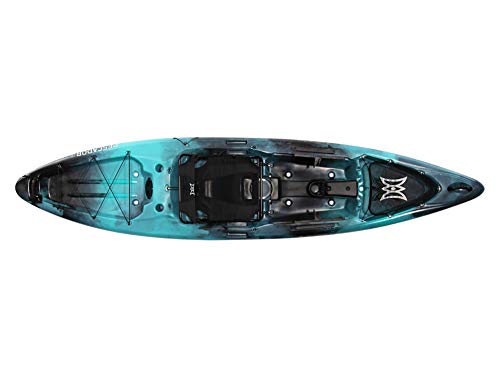
The Perception Pescador Pro is the ultimate "do-it-all" boat that doesn’t break the bank. It features a stadium-style seat that can be adjusted to two different heights, which is a massive help for those who need a higher vantage point for better leverage or a lower one for stability. The hull is rugged and handles bumps against docks or shorelines with ease.
It is a sit-on-top design that offers plenty of storage, making it a great entry point for someone looking to get into fishing or light touring. While it may lack some of the premium bells and whistles of more expensive models, its versatility is unmatched. This is the best choice for the paddler who wants a reliable, multi-purpose boat without overspending.
FeelFree Lure 11.5: Optimal Seat Support

The FeelFree Lure 11.5 is built around the "Gravity Seat," which is a multi-position, height-adjustable chair that can be raised or lowered to suit your needs. Raising the seat gives you a higher center of gravity for sight-fishing, while lowering it provides maximum stability for transfers. The boat itself is wide and exceptionally stable, feeling almost like a small skiff on the water.
This kayak is designed for paddlers who need significant support and a stable platform to stand or move around on. It is a heavier boat, so you will likely need a kayak cart for transport, but the trade-off is a level of stability that is hard to beat. If you require a boat that feels like a platform rather than a shell, the Lure 11.5 is your best bet.
Customizing Your Kayak for Accessibility
Don’t be afraid to modify your kayak to fit your specific physical requirements. Many paddlers add aftermarket grab bars or "standing assists" that provide a sturdy point to hold onto while transferring. You can also use adhesive foam padding to add extra cushioning to the cockpit edges or seat frame, which helps prevent skin irritation during long outings.
Consider the placement of your gear as well. Using "track-mount" systems allows you to move rod holders, cup holders, and electronics to positions that are ergonomically ideal for your reach. By keeping everything within a comfortable range of motion, you reduce the need for twisting or leaning, which keeps you safer and more comfortable on the water.
Safety Protocols for Disabled Paddlers
Always paddle with a buddy or in a group, and ensure your fellow paddlers are aware of your specific needs and what to do in an emergency. It is crucial to practice a "wet exit" or a transfer drill in a controlled environment, like a shallow pool or calm beach, before heading out into deeper water. Knowing exactly how your boat behaves when you move is the best way to prevent accidents.
Finally, always check the weather forecast and water conditions before you leave. Wind and current can make paddling significantly more difficult, and you should never push your limits in adverse weather. Stick to familiar, calm waters until you are completely confident in your ability to handle your boat, and always prioritize your comfort over reaching a specific destination.
Exploring the water is a rewarding experience that should be accessible to everyone who feels the call of the lake. By choosing the right vessel and customizing it to your unique requirements, you can ensure that every trip is safe, comfortable, and empowering. Get out there, start slow, and enjoy the profound sense of freedom that only the water can provide.