

6 Best Fish Finder Transducers For Clear Signals On Lakes
Discover the 6 best fish finder transducers for crystal-clear lake imaging. Learn how to optimize your sonar for better target separation and reliable data.
There is nothing quite like the frustration of staring at a blank screen while you know the fish are holding tight to a structure just beneath your boat. Upgrading your transducer is the single most effective way to turn those "ghost" echoes into high-definition targets that reveal exactly what is lurking below. Choosing the right hardware transforms your time on the water from a guessing game into a calculated pursuit.
Disclosure: As an Amazon Associate, this site earns from qualifying purchases. Thank you!
Understanding How Transducers Shape Lake Fishing
A transducer is essentially the eyes of your sonar system, converting electrical pulses into sound waves that bounce off objects to create an image. In freshwater lakes, where water density and thermoclines change rapidly, the frequency and beam width of your transducer dictate how much detail you actually see.
Selecting the right unit means balancing your specific fishing style against the conditions of your local water bodies. A transducer designed for deep, clear reservoirs will struggle in shallow, murky backwaters, and vice versa. Understanding these dynamics is the first step toward clearing up your display.
Garmin GT56UHD-TM: Best High-Definition Clarity
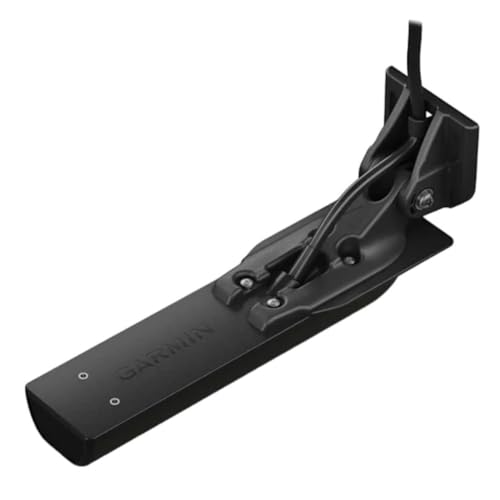

If you want a picture-perfect representation of the bottom, the GT56UHD-TM is the gold standard. It utilizes Ultra High-Definition (UHD) scanning sonar to provide incredible detail, allowing you to distinguish between a cluster of baitfish and a log pile with ease.
This transducer is ideal for anglers who prioritize visual confirmation over everything else. It excels in moderate depths where clarity is paramount, making it a favorite for those who fish clear-water lakes. If you demand a crisp, photographic-like view of the lake floor, this is the unit you need.
Humminbird MEGA SI+ T7: Best Side Imaging Power

Humminbird’s MEGA Side Imaging+ technology is legendary for its ability to scan vast swaths of water on either side of the boat. The T7 provides an incredibly wide, high-resolution view that allows you to scout for cover without driving directly over it.
This is the ultimate tool for "pattern fishing" where you need to identify active schools of fish across a large flat quickly. If you are a tournament angler or someone who spends hours scouting new territory, the sheer coverage area of this unit is unmatched. It is a powerful investment for those who refuse to leave any water unsearched.
Lowrance Active Imaging 3-in-1: Best All-Rounder

The Active Imaging 3-in-1 is the Swiss Army knife of transducers, combining traditional sonar, DownScan, and SideScan into one streamlined housing. It offers a fantastic balance of range and resolution, making it suitable for almost any freshwater application.
This is the perfect choice for the weekend warrior who wants professional-grade performance without managing multiple sensors. It performs reliably across a wide variety of lake types and depths. If you want a "set it and forget it" solution that covers all your bases, you really cannot go wrong here.
Airmar P66 Transducer: Best Deep Water Accuracy

When you are fishing deep, high-pressure lakes where standard plastic transducers start to lose signal, the Airmar P66 steps in. This is a robust, transom-mount workhorse known for its ability to maintain a strong signal at speed and in greater depths.
While it lacks the fancy imaging of modern side-scanners, it provides the most reliable depth and fish-finding data available for traditional sonar users. It is perfect for anglers who fish deep, rugged water and need a transducer that won’t drop the bottom signal when the boat is on plane. If reliability in challenging conditions is your priority, this is your best bet.
Garmin Panoptix LiveScope: Best Real-Time View

LiveScope has fundamentally changed the game by providing a live, moving video feed of what is happening under the water. You can literally watch a fish track your lure in real-time, allowing you to adjust your presentation instantly.
This technology is transformative for structure fishing and targeting suspended fish. While it requires a steeper learning curve and a higher budget, the ability to see fish behavior as it happens is an unparalleled advantage. If you want to take your finesse fishing to the next level, there is simply no substitute for LiveScope.
Humminbird XNT 9 HW T: Best Shallow Water Choice

For those who spend their time in the shallows, the XNT 9 HW T offers a wide, high-frequency beam that is optimized for mapping tight spaces. It provides a clear, detailed return in shallow water where other transducers might suffer from excessive noise.
This unit is compact, durable, and perfectly suited for bass boats or kayaks navigating creeks and shorelines. It is an affordable, high-performance option for anglers who rarely venture into deep water. If your fishing grounds are shallow and cluttered, this transducer will keep your display clean and accurate.
Essential Factors for Selecting Your Transducer
- Frequency: Higher frequencies give more detail but have less range; lower frequencies penetrate deeper but sacrifice resolution.
- Beam Width: A wide beam covers more area, which is great for scouting, while a narrow beam provides better target separation for vertical jigging.
- Mounting Style: Consider whether you need a transom mount for speed, a trolling motor mount for precision, or a through-hull mount for permanent, high-speed performance.
- Water Type: Murky water often requires lower frequencies to cut through suspended particles, while clear water allows you to maximize high-frequency imaging.
Proper Installation for Optimal Signal Quality
Even the most expensive transducer will fail if it is installed poorly. Ensure the unit is mounted in a location that is free from turbulence, usually away from strakes or intake ports on the hull. A transducer that is misaligned or positioned in "dirty" water will produce a streaky or broken signal regardless of its technical capabilities.
Always use the manufacturer-provided hardware and ensure the unit is level with the water surface when the boat is at rest. Double-check your cable routing to ensure it doesn’t run parallel to high-voltage power lines, which can cause electrical interference. A clean, professional installation is the foundation of a clear signal.
Maintaining Your Transducer for Longevity
Transducers are sensitive instruments, so keep the face of the unit clean from marine growth, slime, or hard water deposits. Use a soft cloth and mild soap to wipe it down periodically, avoiding harsh scrubbers that could scratch the transducer face and disrupt the sonar beam.
Periodically inspect the mounting bracket for any signs of looseness or corrosion, especially if you frequent brackish water. A loose transducer can vibrate at high speeds, leading to signal loss and potential damage to the housing. Keeping your gear clean and secure ensures that your investment continues to provide clear signals for years to come.
Investing in the right transducer is the single most impactful upgrade you can make to your fishing setup. By matching your hardware to the specific depths and structures of your favorite lakes, you gain a significant tactical advantage on the water. Take the time to choose wisely, install carefully, and maintain your gear, and you will spend far less time guessing and much more time reeling in your next big catch.
