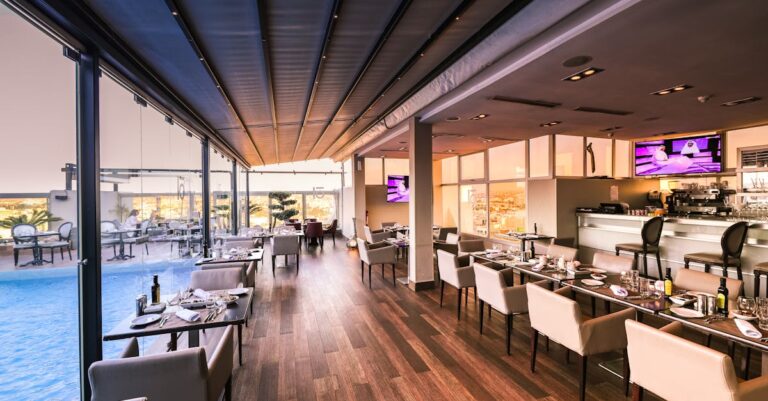
6 Best Pool Soundproofing Materials For Enclosures Quietly
Discover the 6 best materials to soundproof your pool enclosure. Learn how to reduce echoes and enjoy a quieter, more peaceful swimming environment today.
There is nothing quite like the sound of a splashing pool until it turns into a cacophonous echo chamber that ruins your backyard relaxation. Whether you are hosting a summer party or trying to enjoy a quiet morning swim, managing acoustics is the secret to a high-end pool experience. Here are the best materials to transform your enclosure into a serene, sound-dampened oasis.
Disclosure: As an Amazon Associate, this site earns from qualifying purchases. Thank you!
Understanding Pool Enclosure Acoustic Challenges
Pool enclosures are notorious for creating "slap echo," a phenomenon where sound waves bounce off hard, non-porous surfaces like glass, aluminum, and concrete. Because water is a highly reflective surface, the noise from swimmers, pumps, and filtration systems amplifies rapidly. This creates an environment where a simple conversation becomes a shouting match.
To solve this, you must address both sound transmission and sound reflection. Transmission involves stopping noise from escaping or entering the structure, while reflection management focuses on killing the "bounce" inside. If you ignore the physics of your specific enclosure, you will likely spend money on materials that do little to improve your actual comfort.
Acoustiblok Sound Isolation Membrane Solutions
Acoustiblok is a heavy, flexible material that works by vibrating at a molecular level to convert sound energy into trace amounts of heat. It is incredibly effective for pool owners who need to block external noise, such as traffic or loud neighbors, from penetrating the enclosure walls. It is essentially a high-tech "sound blanket" for your structure.
I recommend this for anyone dealing with structural noise issues rather than just interior echoes. It is a premium product, so it’s best suited for those investing in a permanent, high-end enclosure upgrade. If you are serious about total sound isolation, Acoustiblok is the industry gold standard.
QuietFiber Polyester Acoustic Insulation Panels
QuietFiber is a fantastic, moisture-resistant alternative to traditional fiberglass that is specifically designed for harsh environments. Because it is made of polyester, it won’t harbor mold or mildew—a critical factor when you are dealing with the constant humidity of a pool area. It is lightweight, easy to install, and remarkably effective at absorbing mid-to-high frequency sounds.
If you are looking for a DIY-friendly solution that won’t degrade after one season of heavy splashing, this is your go-to. It’s perfect for the person who wants professional-grade absorption without the hassle of dealing with itchy, fiberglass-based materials. For a balance of safety, durability, and performance, QuietFiber is hard to beat.
Owens Corning 703 Fiberglass Acoustic Boards
Owens Corning 703 is the classic choice for acoustic professionals, and for good reason: its density provides incredible sound absorption across a wide frequency range. It is the gold standard for building custom acoustic panels that can be wrapped in decorative, water-resistant fabrics. However, because it is fiberglass, it must be completely sealed to prevent fibers from becoming airborne.
I suggest this for the dedicated hobbyist who wants to build custom, high-performance acoustic treatments. If you have the time to frame and wrap these boards properly, you will achieve studio-quality sound control. If you aren’t prepared to handle the installation requirements, however, you should look elsewhere.
Green Glue Noise Proofing Compound Applications
Green Glue is a viscoelastic damping compound that you apply between two layers of rigid material, like drywall or cement board. It works by dissipating sound energy as heat, effectively "decoupling" your walls to stop sound transmission dead in its tracks. It is a brilliant way to add mass and dampening to a structure without occupying extra space.
This is the right choice if you are in the construction or renovation phase of your pool enclosure. It is not a surface treatment, but an structural upgrade that pays off in long-term quiet. If you are building a new enclosure and want to ensure it remains a private sanctuary, Green Glue is a non-negotiable addition.
Mass Loaded Vinyl Barriers for Pool Enclosures
Mass Loaded Vinyl (MLV) is a dense, limp material that acts as a sound barrier, preventing noise from passing through walls or ceilings. In a pool enclosure, it is often used to wrap noisy pool pumps or line the underside of roof panels to dampen the sound of rain and exterior ambient noise. Its weight is its greatest strength, as it effectively blocks sound waves from vibrating through solid surfaces.
Use MLV when you have a specific "point source" of noise, like a loud HVAC unit or pool heater, that you need to silence. It is heavy and requires mechanical fastening, so it isn’t a quick fix for a weekend project. If you have a clear noise source that is disrupting your peace, MLV is the most direct solution.
Rockwool Safe’n’Sound Stone Wool Insulation
Rockwool is a unique product made from stone and slag, which makes it naturally fire-resistant and, crucially, water-repellent. Unlike standard fiberglass, it holds its shape even in high-humidity environments and is resistant to rot and fungal growth. It is excellent for stuffing into wall cavities to provide both thermal insulation and superior sound absorption.
This is the perfect material for anyone looking to insulate their enclosure for year-round use. It provides a "two-for-one" benefit by keeping your pool area temperate while simultaneously killing internal echoes. If you are framing out an enclosure, Rockwool is the most practical, durable choice you can make.
Installation Tips for Optimal Sound Absorption
When installing these materials, the most common mistake is leaving gaps where sound can "leak" through. Even a small crack around a door or window can negate the effects of your acoustic treatment. Always use high-quality acoustic sealant to bridge gaps and ensure your enclosure is airtight.
Furthermore, consider the layout of your panels. Placing absorption materials at "first reflection points"—the spots on the walls where sound hits directly after leaving the pool—will yield the biggest improvement in sound quality. Start with these areas before covering every square inch of your enclosure.
Managing Echoes with Decorative Acoustic Foam
Acoustic foam is the most common solution for echo reduction, but you must be careful about which type you choose. Standard, open-cell foam acts like a sponge for water and will quickly become a breeding ground for mold in a pool environment. Only use closed-cell or specially treated acoustic foams designed for outdoor or wet-room conditions.
If you go this route, treat it as a secondary aesthetic choice rather than a primary soundproofing solution. It works well to "soften" the room, but it won’t block noise from neighbors or traffic. Use it to add a splash of color or texture to your walls while providing a modest reduction in interior slap echo.
Maintaining Soundproofing Materials Near Water
Maintenance is the reality check for any pool soundproofing project. Regardless of how well a material performs, high chlorine levels and humidity will eventually take their toll. Regularly inspect your panels for signs of moisture buildup, peeling, or discoloration, and ensure your ventilation system is running efficiently to keep the air dry.
If a material shows signs of mold, remove it immediately to protect the air quality of your enclosure. By choosing moisture-resistant materials like Rockwool or QuietFiber from the start, you minimize the need for constant repairs. A proactive approach to maintenance ensures your enclosure stays quiet and safe for years to come.
Transforming your pool enclosure from an echo-filled shell into a peaceful retreat requires the right combination of mass and absorption. By selecting materials that stand up to humidity and addressing your specific noise sources, you can reclaim the serenity of your backyard. Dive into your next project with confidence, knowing that a quieter swim is just a few installations away.