6 Best Waterproof Boots For Amphibious Landings Tested
We tested six top-tier waterproof boots for amphibious landings. Discover which durable, high-traction models offer the best protection for wet environments.
Stepping off a boat onto a slick, algae-covered rock or wading through a muddy bank is where most water adventures turn into a slip-and-fall hazard. Having the right footwear isn’t just about keeping your socks dry; it’s about maintaining the stability and protection needed to transition seamlessly between aquatic and terrestrial environments. These six options represent the gold standard for navigating the unpredictable interface where water meets land.
Disclosure: As an Amazon Associate, this site earns from qualifying purchases. Thank you!
Why Amphibious Gear Matters for Water Access
The transition from water to land is the most common point of failure for standard footwear. Whether you are launching a kayak, beachcombing, or stepping off a skiff, you need gear that handles submersion without becoming a heavy, waterlogged anchor. Proper amphibious footwear protects your feet from sharp debris, hidden urchins, and jagged rocks that are often obscured by murky water.
Beyond simple protection, these boots provide the necessary traction to prevent slips on wet, mossy surfaces. Standard sneakers lose their grip the moment they get soaked, but purpose-built amphibious gear uses specialized rubber compounds and drainage systems to maintain friction. Investing in this category ensures that your focus remains on the adventure rather than the precariousness of your next step.
Essential Features for Reliable Amphibious Boots
When evaluating amphibious footwear, look for a balance between drainage, grip, and debris defense. A boot that lets water in must also let it out efficiently; otherwise, you’ll be carrying extra weight with every step. Look for integrated mesh panels or specialized ports that allow water to escape while keeping sand and small pebbles out.
Traction is the non-negotiable factor. You want outsoles designed with siping—those tiny, razor-thin slits in the rubber—which channel water away from the contact patch, much like a high-end car tire. Additionally, ensure the material is hydrophobic, meaning it resists absorbing moisture, which prevents the boot from becoming waterlogged or developing that dreaded "swamp foot" odor after a long day.
NRS Boundary Water Boots for Maximum Coverage


If your priority is keeping your feet bone-dry while launching a canoe or navigating a shallow marsh, the NRS Boundary Water Boot is your best bet. These are essentially tall, waterproof socks with a rugged, high-traction sole, designed to be worn over your existing footwear or directly against the skin. They offer incredible coverage, shielding your lower legs from mud and cold water splashes.
Because they are tall and flexible, they are perfect for activities where you need to stand in a few inches of water to secure a craft. However, they aren’t meant for long-distance hiking; the lack of rigid arch support means they are best reserved for short transitions. If you need a reliable barrier for boat-to-shore tasks, this is the most effective tool in the kit.
Astral Hiyak Shoes for Technical River Terrain

The Astral Hiyak is a masterclass in technical river footwear, designed specifically for those who need the agility of a shoe with the protection of a boot. They feature a sticky rubber outsole that grips wet granite as if it were dry pavement, making them the top choice for whitewater guides and rocky river crossings. The high-top design provides excellent ankle support without feeling restrictive.
What sets the Hiyak apart is its rapid drainage system, which clears water almost instantly upon exiting the river. These are perfect for users who prioritize performance and tactile feedback over bulk. If your water access involves scrambling over boulders or navigating uneven, slippery riverbeds, the Hiyak is the definitive choice.
XTRATUF Ankle Deck Boots for Boat to Shore Use

XTRATUF has long been the gold standard for commercial fishermen, and their Ankle Deck Boot brings that legendary durability to the recreational market. These boots are 100% waterproof and feature a slip-resistant chevron outsole that handles wet boat decks with ease. They are surprisingly easy to pull on and off, which is a major advantage during quick shore landings.
While they lack the extreme breathability of mesh-based shoes, they offer unmatched protection against saltwater, fish slime, and fuel spills. They are the ideal "grab and go" boot for anyone spending a day on a boat who needs to hop onto a dock or a beach without changing shoes. If you value durability and simplicity above all else, these are the boots you want.
Bogs Forge Waterproof Boots for Heavy Mud Zones
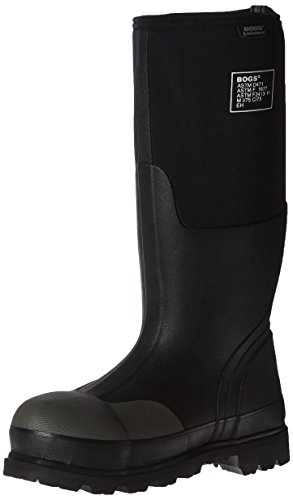
When you are dealing with deep, thick mud or soft, silty riverbanks, you need a boot that won’t get sucked off your foot. The Bogs Forge is built for exactly these conditions, featuring a snug fit and a tall, insulated shaft that keeps you dry in the messiest environments. The construction is incredibly robust, holding up to thorns, sharp sticks, and heavy debris.
These boots are significantly heavier than the other options on this list, so they aren’t ideal for long hikes or high-intensity activity. However, for stationary tasks like setting up a campsite near a muddy lake shore or hauling gear through a swampy marsh, their stability is unmatched. Use these when the terrain is hostile and you need complete, uncompromising coverage.
Muck Boot Excursion Pro for Versatile Traction

The Muck Boot Excursion Pro strikes a perfect balance between a rugged work boot and a flexible trail shoe. It’s built with a breathable mesh lining that keeps your feet comfortable during warmer days, while the waterproof lower section keeps the moisture out. The traction is versatile enough for both muddy trails and wet boat decks, making it a true "do-it-all" option.
This is the boot for the recreationalist who doesn’t want to carry multiple pairs of shoes. It’s comfortable enough for a two-mile walk to the beach and durable enough to handle a day of boat maintenance. If you want one reliable pair of boots that won’t let you down regardless of the terrain, the Excursion Pro is the most versatile contender.
Salomon Techamphibian 5 for Swift Water Drying
Conquer trails and water with the Merrell All Out Blaze Aero Sport. This breathable hiking shoe features an Omni-Fit lacing system for a secure fit, M Select FRESH odor control, and a protective UniFly midsole with a Vibram outsole for superior grip.

The Salomon Techamphibian 5 is designed for those who view water as a playground rather than an obstacle. It functions like a high-performance trail running shoe, featuring an aggressive tread pattern and a collapsible heel that allows it to convert into a slip-on mule. The upper is made of quick-drying, breathable mesh that keeps your feet cool and light.
Because these shoes are so lightweight, they are perfect for long days where you are constantly moving in and out of the water. They don’t offer the same level of mud protection as a tall boot, but their agility is superior. If your water access involves hiking, swimming, and everything in between, the Techamphibian 5 is the most comfortable choice.
How to Properly Fit Your Amphibious Footwear
Fitting amphibious boots requires a different mindset than fitting standard hiking boots. Because these shoes often get wet, your feet may swell slightly, and the material itself might stretch or soften. Aim for a fit that is snug but not constricting, ensuring your heel doesn’t lift out of the boot when you walk.
Always test your boots with the socks you intend to wear, whether that’s a thin synthetic liner or a thicker neoprene sock for cold water. If the boot feels tight in the store, it will feel restrictive once it’s soaked and heavy. A proper fit should allow for enough room to wiggle your toes, which helps maintain circulation and warmth in colder water conditions.
Maintaining Your Boots After Saltwater Exposure
Saltwater is the enemy of zippers, stitching, and rubber compounds. After every outing, rinse your boots thoroughly with fresh water, paying special attention to the drainage ports and the interior lining. If you leave salt crystals inside the fabric, they will act like sandpaper, wearing down the internal materials and causing premature failure.
Avoid drying your boots in direct, intense sunlight, as UV rays can degrade rubber and cause synthetic fabrics to become brittle over time. Instead, stuff them with newspaper or use a dedicated boot dryer on a low, cool setting. Proper maintenance will double the lifespan of your gear and ensure that your next trip is just as comfortable as your first.
Selecting the right amphibious boot is about matching your specific environment to the level of protection you require. Whether you need the heavy-duty mud resistance of a Bogs boot or the agile, quick-drying performance of a Salomon, there is a perfect pair for your needs. Choose wisely, keep them clean, and you’ll find that the water becomes much more accessible than ever before.