6 Best Fins For Combat Swimmer Training for Elite Units
Selecting the right fins is vital for elite combat swimmers. We analyze the six best models for propulsion, durability, and efficiency in tactical operations.
Elite combat swimmers operate in environments where gear failure is not an option and efficiency is the difference between mission success and exhaustion. Selecting the right fins requires balancing raw propulsion power with the tactical need for low-profile, silent movement. This guide breaks down the industry-leading options designed to withstand the rigors of high-intensity aquatic operations.
Disclosure: As an Amazon Associate, this site earns from qualifying purchases. Thank you!
Understanding Combat Fin Design Requirements
Combat swimming is fundamentally different from recreational diving, requiring gear that can handle long-distance surface swims, heavy load-outs, and rapid underwater maneuvering. Fins for this purpose must feature a high-density construction to resist abrasion against rocky shorelines and ship hulls. They also need to provide a "snap" that minimizes energy expenditure over multi-mile transits.
Beyond durability, the design must prioritize a neutral or slightly negative buoyancy profile to prevent the feet from floating during stealthy surface maneuvers. The blade stiffness must be calibrated to allow for a variety of kick styles, including the flutter kick for speed and the frog kick for silent, silt-free movement. If a fin is too soft, you lose power; if it is too stiff, you risk cramping your calves during extended infiltration swims.
Force Fins Pro: Elite Propulsion Technology
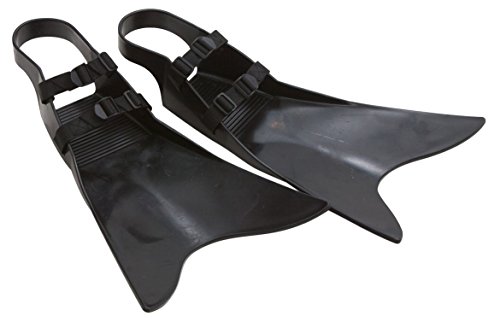

The Force Fin Pro is a unique beast in the tactical world, utilizing a split-blade design that forces water to vortex off the tips for maximum thrust. Because of its specialized shape, it excels at high-cadence kicking, making it a favorite for operators who prioritize speed and agility. The open-toe design also prevents the "foot-cramp" sensation often caused by water pressure building up in the toe box.
However, this fin requires a specific, high-frequency kicking style to unlock its full potential. If you are a swimmer who relies on long, slow, powerful strokes, you might find the Force Fin Pro frustratingly twitchy. It is the perfect choice for the operator who needs to sprint through surf zones or maneuver in tight, complex environments.
Cressi Frog Plus: Optimal Energy Efficiency

The Cressi Frog Plus is the gold standard for those who value efficiency above all else. Its dual-material blade construction allows for a surprisingly powerful kick with very little physical effort, which is vital when you are already carrying 50+ pounds of gear. It is a workhorse that reduces the metabolic cost of swimming, keeping your heart rate lower during long-distance infiltrations.
This fin is ideal for the operator who needs to maintain a steady, sustainable pace for hours on end. While it may not offer the explosive sprint power of stiffer fins, its reliability and comfort are unmatched for long-range work. If your primary mission profile involves endurance rather than rapid bursts of speed, the Frog Plus is your best bet.
Scubapro Jet Fin: The Gold Standard Reliability

The Scubapro Jet Fin is perhaps the most iconic piece of combat swimming gear in history, and for good reason. Its heavy-duty rubber construction is virtually indestructible, and the vented blade design effectively reduces drag on the upstroke while maximizing thrust on the downstroke. It is a no-nonsense tool that has been the go-to for special operations units for decades.
Because the rubber is so dense, these fins are heavy, which helps keep the legs down and the body streamlined in the water. They are perfect for the operator who needs a fin that can be dragged across jagged rocks and concrete without failing. If you want a piece of kit that will last your entire career, the Jet Fin is the only choice.
Mares Avanti Quattro Plus: Versatile Power
Experience powerful propulsion with the Mares Avanti Quattro + Fins. Their four-rib design maximizes energy transfer, while the bungee strap ensures easy on/off convenience.

The Mares Avanti Quattro Plus utilizes a four-channel design that creates a "scooping" effect, moving a significant volume of water with every kick. This makes it an incredibly versatile fin that performs well in both current-heavy open water and confined spaces. It offers a perfect middle ground between the stiffness of a technical fin and the comfort of a recreational one.
This fin is highly recommended for operators who find themselves in diverse environments, from riverine operations to coastal patrols. Its bungee strap system makes it exceptionally easy to don and doff, even while wearing thick tactical gloves. If you need a "do-it-all" fin that won’t let you down regardless of the mission, this is it.
Aqua Lung Rocket II: Durability for Operations
The Aqua Lung Rocket II is a modern evolution of the classic military fin, built specifically for the demands of professional divers. It features a stiff, wide blade that provides immense surface area for moving heavy loads through the water. The design is intentionally minimalist, stripping away non-essential features to ensure there is nothing to snag on gear or underwater obstacles.
This fin is not designed for comfort; it is designed for raw, uncompromising performance. It is best suited for the operator who needs to push through heavy currents while fully kitted out. If you prioritize power and durability over ease of use, the Rocket II is the gold standard for your kit bag.
IST Sports Deep Sea: Heavy Duty Performance
Get powerful propulsion with these durable rubber fins, trusted by military Special Ops. The tapered blade and jet-style grooves channel water for an efficient kick, while the open-heel design accommodates dive booties.
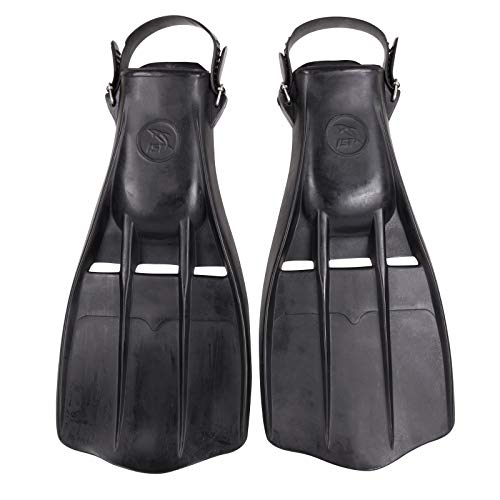
The IST Sports Deep Sea fin is a rugged, budget-friendly alternative that punches well above its weight class in terms of durability. It features a stiff, vented blade that provides excellent control and responsiveness in challenging water conditions. It is frequently chosen for training environments where gear is subjected to constant, high-volume use.
This fin is an excellent choice for trainees or operators who need a reliable, cost-effective solution for daily training sessions. It doesn’t have the high-tech bells and whistles of some competitors, but it offers a solid, predictable kick that builds technique. If you need a reliable training fin that can handle daily abuse, look no further.
Selecting the Right Fin Stiffness and Material
- Stiff Blades: Best for heavy load-outs and strong currents; requires higher leg strength.
- Flexible Blades: Best for endurance and long-distance swimming; reduces the risk of muscle fatigue.
- Rubber Construction: Offers superior durability and negative buoyancy, ideal for tactical environments.
- Thermoplastic/Composite: Often lighter and more efficient, but can be more prone to cracking under extreme stress.
Choosing the right stiffness is a trade-off between power and endurance. Always consider the weight of your kit and the typical distance of your swims before committing to a blade type.
Proper Fin Fit and Ankle Fatigue Management
A fin that is too loose will cause blisters and loss of power, while one that is too tight will restrict blood flow, leading to rapid cramping. Always test your fins with the exact footwear you intend to use on mission, whether that is a standard neoprene bootie or a tactical dive boot. If you feel pressure points on your arch or heel, don’t ignore them—they will become excruciating after twenty minutes of swimming.
To manage ankle fatigue, focus on maintaining a fluid, hip-driven kick rather than relying on your ankles to generate movement. Incorporate ankle mobility exercises into your physical training to ensure your joints can handle the resistance of a stiff blade. Remember, the goal is to move through the water with as little wasted motion as possible.
Maintenance Tips for Tactical Swim Equipment
- Rinse thoroughly: Always wash your fins with fresh water after every use, especially after saltwater operations, to prevent rubber degradation.
- Store flat: Keep your fins lying flat or hanging by the heel strap to prevent the blades from warping over time.
- Inspect straps: Regularly check your bungee or spring straps for signs of dry rot or fraying, as a broken strap in the field is a mission-ending event.
- Avoid heat: Keep your gear out of direct, prolonged sunlight, as UV rays will break down the polymers in both rubber and plastic fins.
Investing in the right fins is an investment in your operational readiness and physical longevity. By matching the specific performance characteristics of your gear to your mission profile, you can significantly improve your efficiency in the water. Choose your gear wisely, maintain it rigorously, and ensure your kit is as prepared for the mission as you are.