

6 Best Boat Impellers For Cooling For Marine Engines
Maintain your marine engine’s health with our top six boat impellers. Learn how to choose the right cooling components for optimal flow and peak performance.
There is nothing quite like the feeling of a crisp, open-water cruise, but that peace of mind relies entirely on your engine’s ability to stay cool. A failed water pump impeller is the fastest way to turn a perfect day on the lake into a stressful afternoon of overheating alarms and expensive repairs. Choosing the right replacement is the single most important maintenance task you can perform to protect your marine investment.
Disclosure: As an Amazon Associate, this site earns from qualifying purchases. Thank you!
Understanding Marine Engine Cooling Systems
Most marine engines utilize a raw-water cooling system, which pulls water directly from the lake or ocean to circulate through the engine block. At the heart of this process is the impeller, a small, flexible rubber component housed within the water pump. As the engine turns, the impeller blades spin, creating a vacuum that draws in water and pushes it through the cooling galleries.
Because this system relies on a constant flow of water, any obstruction or failure in the pump results in immediate heat buildup. Unlike a car, which uses a closed-loop radiator system, your boat is constantly ingesting external water that may contain silt, sand, or salt. This makes the cooling system a high-wear environment where the impeller serves as the primary line of defense.
Why Proper Impeller Selection Matters Most
Selecting the right impeller is not just about finding a part that fits the housing; it is about matching the material to your specific environment. A cheap, generic rubber impeller might work for a few hours, but it will likely disintegrate if it encounters the abrasive salt or high-heat conditions common in marine use. Quality manufacturers use specialized neoprene or nitrile compounds designed to resist heat deformation and chemical degradation.
Furthermore, the geometry of the blades is precision-engineered to maintain specific water pressure at varying RPMs. If the blades are too stiff, they can break under stress; if they are too soft, they won’t maintain the necessary flow to keep your engine within its optimal operating temperature. Investing in a high-quality, brand-specific impeller ensures that your engine receives consistent cooling, preventing the catastrophic damage that occurs when an engine runs dry.
Sierra Marine Impellers for Mercury Engines


If you are running a Mercury outboard, Sierra Marine is the gold standard for aftermarket replacements. Their impellers are engineered to meet or exceed OEM specifications, offering a level of reliability that makes them a favorite among professional mechanics. They use high-grade neoprene that handles the high-revving nature of Mercury motors exceptionally well.
These are the ideal choice for the weekend boater who wants OEM-level performance without the dealership price tag. If you do a lot of fishing in shallow, sandy waters, Sierra’s durability is a significant advantage. I recommend these for anyone who values consistency and wants a "set it and forget it" solution for their annual maintenance.
Jabsco Flexible Impellers for Volvo Penta

Jabsco has long been the industry leader in pump technology, and their flexible impellers for Volvo Penta engines are top-tier. They are particularly effective for inboard and sterndrive setups where the pump is located in a tight, difficult-to-access engine bay. The flexibility of their proprietary rubber compounds allows for easier installation and a more forgiving seal against the pump housing.
If you own a cruiser or a sailboat with a Volvo Penta engine, Jabsco is the brand you should reach for. Their quality control is legendary, meaning you are far less likely to encounter a "dud" out of the box. They are perfect for owners who prioritize longevity and need a component that can handle the long-duration run times typical of inboard engines.
CEF Marine Impellers for Yamaha Outboards

Yamaha outboards are known for their precision engineering, and CEF Marine has built a reputation for creating impellers that respect that design philosophy. CEF focuses on the specific flow requirements of modern, high-performance outboard systems. Their impellers are known for excellent blade memory, meaning they hold their shape even after long periods of winter storage.
These are the best fit for the performance-oriented boater who pushes their Yamaha to the limit. If you spend your weekends pulling skiers or running long distances at cruising speed, CEF provides the peace of mind that your cooling system won’t falter under load. You can trust these for high-demand applications where cooling efficiency is non-negotiable.
Mallory Marine Impellers for Mercruiser
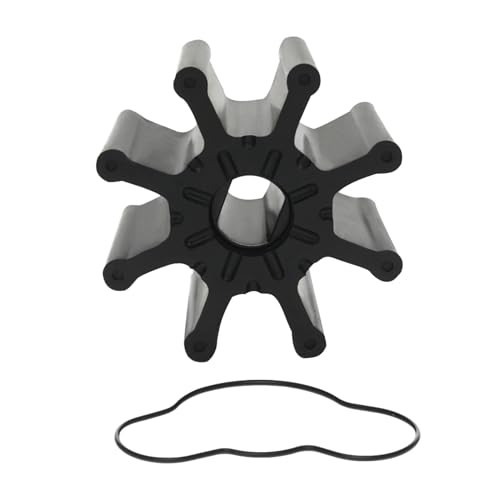
Mallory Marine is a powerhouse in the marine aftermarket, specifically for Mercruiser sterndrives. Their impellers are constructed with a focus on chemical resistance, which is vital if you frequently transition between freshwater and saltwater environments. The material composition is specifically treated to prevent the common issue of the rubber bonding to the pump housing.
I recommend Mallory for owners of older Mercruiser sterndrives who need a reliable, cost-effective replacement that can handle varied water conditions. They are incredibly robust and have a proven track record of handling the debris often found in busy marinas. If you want a dependable part that balances cost and performance, Mallory is an excellent choice.
Ancor Neoprene Impellers for Raw Water
Ancor is a name synonymous with quality electrical and mechanical marine components, and their raw water impellers are no exception. They specialize in high-durability neoprene that is designed to withstand the harsh realities of marine water intake. Their impellers are often the go-to for commercial fishermen and heavy-duty users who cannot afford any downtime.
If your boat stays in the water year-round or you operate in high-temperature, high-silt environments, Ancor is your best bet. Their focus on material science means these impellers resist the cracking and dry-rot that plague lesser brands. This is the premium choice for the boater who refuses to compromise on quality and wants the toughest component available.
Sherwood Impellers for Inboard Cooling
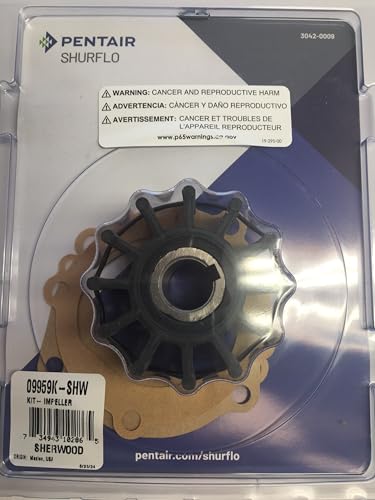
Sherwood pumps are ubiquitous on many inboard engines, and using their genuine replacement impellers is almost always the right move. Because these pumps are often integrated into specific engine designs, using a non-Sherwood impeller can sometimes lead to fitment issues or improper sealing. Their impellers are designed to work in perfect harmony with the specific cam and housing geometry of Sherwood pumps.
If your boat uses a Sherwood pump, do not experiment with generic alternatives. Stick with the OEM brand to ensure the vacuum seal is perfect and the flow rate is exactly what your engine manufacturer intended. These are essential for inboard owners who want to maintain the integrity of their factory-specified cooling system.
Signs of Impeller Wear and Engine Heat
The most obvious sign of an impeller issue is a reduction in the "tell-tale" stream—that little jet of water exiting the back of your outboard. If that stream is weak, sputtering, or non-existent, shut the engine down immediately. You should also monitor your temperature gauge or warning alarms; modern engines will often enter "limp mode" to prevent damage if they detect high heat.
Beyond visual cues, listen for changes in engine noise. A failing impeller can sometimes cause the pump housing to vibrate or make a grinding sound as the rubber blades begin to break off. If you notice any of these symptoms, do not assume it is a "minor" issue; replace the impeller before your next trip to avoid a tow back to the dock.
Tips for Seasonal Impeller Replacement
The golden rule of marine maintenance is to replace your impeller at least once every season, regardless of how many hours you have put on the engine. Rubber degrades over time simply by being exposed to the elements, and a blade that breaks off can clog your cooling passages, causing an overheating loop that is very difficult to clear. Always keep a spare impeller, a gasket, and the necessary tools on board for an emergency swap.
When installing a new one, always use a bit of marine-grade lubricant on the blades to help them slide into the housing. This prevents the rubber from scorching during the initial dry start. Taking the extra five minutes to ensure the impeller is seated correctly will save you hours of labor and potentially a ruined vacation.
Your boat’s cooling system is the heartbeat of your vessel, and the impeller is its most critical valve. By choosing a high-quality replacement suited to your specific engine and environment, you ensure that your time on the water is defined by relaxation rather than mechanical frustration. Stay diligent with your maintenance, keep a spare on hand, and enjoy every wave with total confidence.
