

7 Best Motion Sickness Bands For Nausea for Travel
Struggling with travel nausea? Discover the 7 best motion sickness bands that offer drug-free relief for smoother, more comfortable journeys on the go.
There is nothing quite like the freedom of being out on the open water, but that serenity can vanish the moment your inner ear starts sending mixed signals to your brain. Whether you are battling a choppy swell on a fishing boat or navigating a winding coastal cruise, motion sickness is the ultimate trip-ruiner. Fortunately, a few well-placed pressure points can often be the difference between a miserable afternoon and a perfect day on the waves.
Disclosure: As an Amazon Associate, this site earns from qualifying purchases. Thank you!
Understanding Motion Sickness in Water Activities
Motion sickness, or seasickness, occurs when your brain receives conflicting information from your eyes and your vestibular system—the sensory system in your inner ear responsible for balance. On a boat, your body feels the rhythmic rise and fall of the swell, yet your eyes might be focused on a static cabin wall, leading to a sensory mismatch. This disconnect triggers the autonomic nervous system, resulting in the classic symptoms of nausea, cold sweats, and dizziness.
While some swear by medication, these drugs often come with the unwanted side effect of drowsiness, which is the last thing you want when you are trying to enjoy a day of snorkeling or paddleboarding. Acupressure bands offer a non-invasive, drug-free alternative by applying gentle pressure to the P6 (Nei-Kuan) point on the inner wrist. By stimulating this specific meridian, these bands can help intercept the nausea signals before they take hold of your day.
Sea-Band Adult Wristband: Top Drug-Free Choice
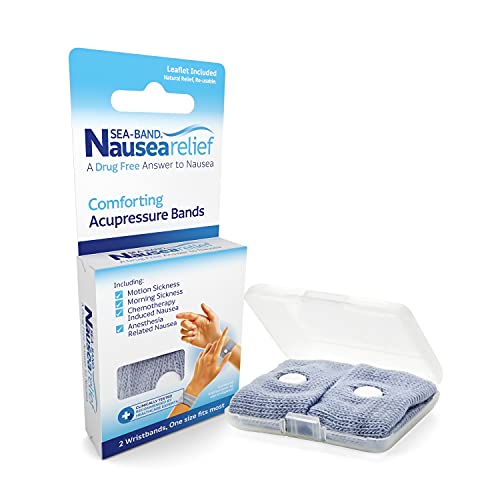

If you are looking for the gold standard in non-medicinal relief, the Sea-Band is the classic choice for a reason. These simple, elasticated knit bands feature a small plastic stud that presses firmly against the P6 point, providing consistent relief without the bulk of modern tech. They are incredibly lightweight, making them perfect for long days on the water where you might forget you are even wearing them.
I recommend these for anyone who wants a "set it and forget it" solution that doesn’t require batteries or complex adjustments. They are rugged enough to handle a splash from a wave, though you should keep in mind that they can get soggy if you are doing heavy swimming. For the casual boater or the occasional traveler, the Sea-Band remains the most reliable, no-nonsense tool in the kit.
PSI Bands Acupressure: Best Adjustable Option
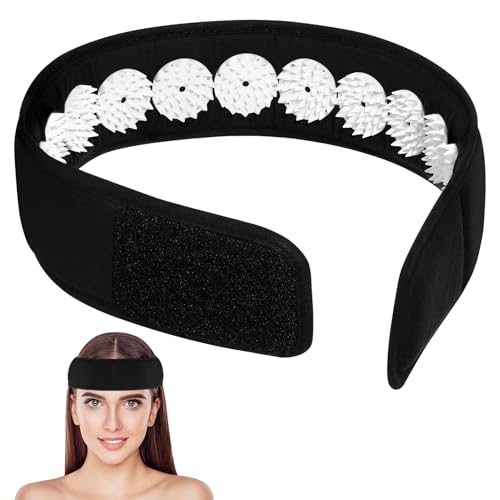
The biggest frustration with standard bands is the "one size fits all" trap, which often results in either a band that is too loose to be effective or too tight to be comfortable. PSI Bands solve this by offering a dial-based adjustment system that allows you to customize the pressure intensity. This is a game-changer for those with smaller or larger wrists who struggle to find a secure fit with traditional knit bands.
These bands are also waterproof, which is a massive advantage for anyone planning to spend time in the water or dealing with constant spray on a deck. Because you can dial in the exact amount of pressure needed, they are my top recommendation for those who find standard bands ineffective due to poor contact. If you value precision and durability, these are well worth the investment.
Reliefband Classic: Best Tech-Focused Device

When standard acupressure fails, the Reliefband Classic steps in with a more scientific approach by using clinically proven neuromodulation technology. Instead of just applying physical pressure, it sends mild electrical pulses to the median nerve, effectively "blocking" the nausea signals traveling to your brain. It is essentially a wearable medical device that operates on a much higher level than a simple fabric band.
While it is significantly more expensive than the alternatives, it is the best choice for those who suffer from chronic or severe motion sickness. It offers five levels of intensity, allowing you to ramp up the relief as the sea conditions worsen. If you are a serious angler or someone who refuses to let motion sickness dictate your travel plans, this device is the ultimate insurance policy.
Ginpince Anti-Nausea Bands: Best Multi-Pack

If you are planning a family trip or a group outing, you know that keeping everyone comfortable is the key to a successful day. Ginpince bands are excellent because they come in multi-packs, ensuring that every member of the crew has a backup if one gets lost or dropped overboard. They function exactly like the classic Sea-Band, providing effective, drug-free relief at a fraction of the cost.
These are the most practical choice for those who want to keep a supply in their tackle box or boat console for guests. They aren’t the most high-tech option on the market, but their affordability and reliability make them a staple for any well-prepared captain. I suggest grabbing a pack of these so you are never caught unprepared when the water starts to get rough.
H3O Motion Sickness Relief: Best for Comfort

Sometimes, the discomfort of the band itself can be almost as distracting as the nausea, especially when you are wearing them for several hours at a time. The H3O bands are designed with a focus on ergonomics, utilizing a softer, more breathable fabric that prevents the skin irritation often caused by cheaper, synthetic materials. They feel more like a comfortable sweatband than a medical device.
These are an ideal pick for people with sensitive skin or those who find that tight elastic bands leave uncomfortable marks on their wrists. They offer the same P6 pressure benefits as the competition, but with a much higher priority placed on wearability. If you are someone who hates the feeling of tight gear, these are the bands that will actually stay on your wrists all day.
BioBands Acupressure: Best for Active Travel

For those who are constantly moving—whether you are casting a line, pulling up an anchor, or navigating a busy deck—BioBands are built to stay in place. Their design is slightly more robust than your average knit band, ensuring that the pressure stud remains perfectly centered over the P6 point even during vigorous activity. They strike a great balance between a secure fit and freedom of movement.
These are specifically for the active adventurer who isn’t just sitting in a chair watching the horizon. If your day involves a lot of physical tasks, the last thing you want is a band that slides down your arm and loses its effectiveness. BioBands provide the stability you need to keep moving without needing to constantly readjust your gear.
Acu-Strap Wristbands: Best Simple Solution
Sometimes the best gear is the simplest, and Acu-Strap bands are a testament to that philosophy. These are straightforward, no-frills acupressure bands that provide exactly what you need without any marketing fluff or unnecessary features. They are inexpensive, easy to clean, and do exactly what they claim to do: apply pressure to the P6 point.
If you are a minimalist who just wants a backup in your bag for those "just in case" moments, this is the product for you. They are essentially a commodity item—effective, cheap, and easy to replace. I keep a pair of these in my dry bag at all times because they are reliable enough to work, even if they aren’t the most stylish or high-tech option.
How to Properly Position Acupressure Bands
The effectiveness of any acupressure band lives or dies by its placement. To find the P6 point, place your middle three fingers on the inside of your wrist, starting at the crease where your hand meets your arm. The point is located just below your index finger, between the two prominent tendons in your wrist.
- Check the fit: The band should be snug, but not so tight that it cuts off circulation or leaves deep indentations.
- Verify the stud: Ensure the plastic bead is pressing directly into the soft tissue between those two tendons.
- Symmetry matters: For the best results, wear a band on both wrists simultaneously to ensure balanced stimulation.
Tips for Managing Nausea While on the Water
Even with the best bands, your behavior on the boat plays a massive role in how you feel. Always try to keep your eyes on the horizon, as this provides your brain with a stable visual reference point that matches the motion your body is feeling. Avoid reading, looking at your phone, or focusing on small, stationary objects in the cabin, as these are the quickest ways to trigger a wave of sickness.
Fresh air is your best friend, so try to stay on deck where you can feel the breeze and see the open water. If you do feel a wave of nausea, try to eat a small, bland snack like a cracker or ginger candy, as having something in your stomach can often settle the nerves. Remember, the goal is to manage your environment as much as your symptoms, so don’t be afraid to ask the captain to adjust course if the swell is hitting the boat at an uncomfortable angle.
Managing motion sickness is all about preparation, and having a reliable acupressure band in your gear bag is a simple step toward a much more enjoyable day on the water. By understanding the causes of nausea and choosing the right tool for your specific needs, you can focus on the horizon rather than your stomach. Stay prepared, stay comfortable, and enjoy the waves.
