6 Best Fender Balls For Small Craft for Docking Safety
Protect your boat with our top 6 fender ball picks. Discover durable, reliable options to ensure docking safety and prevent hull damage for small craft.
There is nothing quite as nerve-wracking as drifting toward a dock while the wind pushes your hull toward unforgiving pilings. High-quality fender balls serve as your boat’s primary defense system, absorbing the energy that would otherwise turn a simple docking maneuver into a costly repair bill. Investing in the right protection now ensures your gelcoat stays pristine and your stress levels remain low during every trip to the marina.


Disclosure: As an Amazon Associate, this site earns from qualifying purchases. Thank you!
Understanding Fender Ball Basics for Small Boats
Fender balls, often called mooring buoys or round fenders, are designed to provide a larger surface area of protection compared to traditional cylindrical fenders. Their spherical shape allows them to roll against a piling or dock edge, which is essential when your boat is subject to tidal shifts or currents. Because they don’t have a fixed orientation, they are incredibly versatile for various docking scenarios.
When choosing a fender ball, consider the size of your vessel and the conditions of your local waters. A small center-console boat might only need a 12-inch ball, while a larger cabin cruiser requires something more substantial to keep the hull from touching the dock. Always remember that these are meant to be a cushion, not a permanent structural support; they should be positioned where the hull’s curvature is most vulnerable to impact.
Taylor Made Big B Fender: Best Overall Choice

The Taylor Made Big B is the industry standard for a reason, offering a perfect balance of strength and flexibility. I recommend this fender for the average boater who wants a "set it and forget it" solution that handles seasonal wear without cracking or yellowing. The molded-in ribs provide extra grip against pilings, preventing the fender from sliding out of position during a surge.
If you are looking for a reliable, all-around performer that fits almost any small-to-mid-sized craft, this is your go-to choice. It’s tough enough to withstand daily use but soft enough to protect your finish. You simply cannot go wrong with the Big B if you want dependable protection without overthinking the technical specs.
Polyform G-Series Fender: Best Heavy-Duty Pick
Protect your boat with the durable Polyform G-4 fender. Ideal for 20-30 ft boats, it features a resilient design and ships pre-inflated with an adjustable valve.

When you are dealing with rougher water or high-traffic marinas, the Polyform G-Series is the gold standard for durability. These are rotomolded, meaning they have a consistent wall thickness that makes them virtually indestructible under normal conditions. They are specifically engineered to resist the UV degradation that often leaves cheaper fenders brittle and prone to bursting.
I suggest the G-Series for boaters who keep their vessels in the water for the entire season rather than trailering them after every trip. While they are a bit bulkier to store in a locker, the peace of mind they provide during a storm or high-tide event is unmatched. If you prioritize long-term equipment life over portability, buy these.
Hull Hugr Fender Ball: Best for Marina Docking

The Hull Hugr is designed with the unique challenges of modern marinas in mind, where pilings can be rough or uneven. These fenders feature a specialized material that is gentle on your gelcoat while being tough enough to handle the abrasive nature of treated wood or concrete. They are particularly effective for boaters who frequently dock in tight slips where precision is required.
These are the ideal choice for those who want a fender that stays put and won’t mar the hull during minor movements. They excel in tight quarters because they don’t bounce around as much as standard vinyl balls. If your home port is a busy marina, the Hull Hugr will quickly become your favorite piece of docking gear.
Shoreline Marine Fender: Best Budget Solution
Not every boater needs professional-grade, heavy-duty gear, and that is where the Shoreline Marine fender shines. It provides essential, basic protection at a price point that allows you to outfit your entire boat without breaking the bank. While they may not have the extreme UV resistance of higher-end brands, they are perfectly adequate for weekend warriors and casual lake boaters.
I recommend these for anyone who primarily docks in calm, inland waters or for those who need a few extra "emergency" fenders to keep on board. They are lightweight, easy to inflate, and do exactly what they are meant to do. For the budget-conscious boater, Shoreline Marine offers the best value for your money.
Attwood Tuff End Fender: Best for Durability

The Attwood Tuff End is built for those who push their boats to the limit in challenging environments. The standout feature here is the heavy-duty, reinforced rope eyelet, which is usually the first point of failure on any fender. This design ensures that even under heavy tension, the fender remains securely attached to your cleats.
If you are tired of replacing fenders because the eyelets tear or the vinyl splits, the Tuff End is the upgrade you need. It is a robust, no-nonsense piece of equipment that handles heavy loads and rough contact with ease. This is the right choice for the serious boater who values structural integrity above all else.
Dan-Fender Heavy Duty: Best for Large Vessels
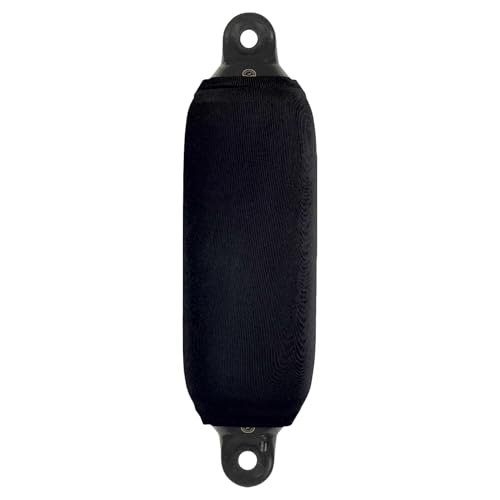
Dan-Fender is renowned for its high-quality European manufacturing and commitment to heavy-duty marine standards. Their fender balls are exceptionally thick and designed to hold their shape even when subjected to the weight of a larger, heavier boat. If you have a vessel that sits higher in the water or has a significant displacement, these are the fenders that will actually hold the line.
These aren’t just for small craft, but they are perfect for the upper end of the "small boat" category, such as larger sport yachts or fishing cruisers. They offer a level of security that smaller, thinner fenders simply cannot match. If your boat is your pride and joy, investing in Dan-Fender is a smart move for protecting your investment.
Proper Sizing and Inflation for Fender Balls
The most common mistake I see is over-inflating or under-inflating fender balls. A fender should be firm to the touch but still have a slight "give" when pressed with your thumb; if it’s rock-hard, it will bounce off the piling rather than absorbing the impact. Conversely, if it’s too soft, the boat will compress it completely and hit the dock directly.
- 12-inch balls: Best for boats under 20 feet.
- 18-inch balls: Ideal for 20-30 foot vessels.
- 24-inch+ balls: Reserved for larger craft or extreme conditions.
Always use a standard ball needle and a hand pump to inflate them gradually. Check the pressure at the beginning of every season, as temperature changes can cause the air inside to expand or contract. Proper inflation is the difference between a fender that works and one that becomes a liability.
Strategic Placement for Safe Docking Maneuvers
Placement is just as important as the quality of the fender itself. You should position your fender balls at the "beam" or the widest part of your boat, as this is where the vessel is most likely to make contact with a dock. During a docking maneuver, ensure your fenders are set at the height of the dock’s rub rail or the middle of the piling.
Don’t rely on just one fender; use a combination of round balls and cylindrical fenders to cover different angles. If you are docking in a slip, place the balls where they will take the brunt of the pressure from the wind or current. Always keep a "roving" fender ready in your hand to protect the hull against unexpected contact during the final seconds of your approach.
Maintaining Your Boat Fenders for Longevity
Fenders are constantly exposed to harsh UV rays, salt spray, and grime, which can degrade the vinyl over time. At the end of each season, wash your fenders with mild soap and water to remove salt and dirt, which can act like sandpaper against your hull. If they start to look dull or sticky, a light coat of vinyl protectant can help restore their flexibility and UV resistance.
Store your fenders out of direct sunlight when the boat is not in use, such as in a storage locker or under a cover. If a fender develops a small leak, do not attempt to patch it; the structural integrity is compromised, and it’s time to replace it. Taking care of your fenders ensures they stay soft and effective, protecting your boat for many seasons to come.
Selecting the right fender balls is a fundamental step in responsible boat ownership that pays dividends in hull protection and peace of mind. By matching the right product to your vessel’s size and your local docking environment, you can navigate even the trickiest slips with confidence. Keep your gear clean, properly inflated, and well-placed, and you’ll enjoy many years of safe, stress-free time on the water.