

6 Best Swim Watches For Gps To Track Your Open Water Laps
Find the best GPS swim watches to track your open water laps accurately. We review six top models to help you monitor your pace, distance, and performance.
There is nothing quite like the freedom of open water swimming, where the rhythmic stroke of your arms is matched only by the vastness of the horizon. However, navigating a straight line in a lake or ocean without lane lines can turn a meditative workout into a frustrating guessing game. Investing in a reliable GPS swim watch ensures you aren’t just swimming aimlessly, but actually hitting your training goals with precision.

Disclosure: As an Amazon Associate, this site earns from qualifying purchases. Thank you!
Why GPS Accuracy Matters for Open Water Swimming
In a pool, your watch tracks laps based on turns, but open water is a different beast entirely. GPS signals struggle to maintain a lock when your wrist repeatedly submerges and resurfaces, which can lead to "zig-zag" data that ruins your pace metrics. High-quality GPS watches use advanced algorithms to smooth out these submersions, providing a realistic map of your route.
Without accurate tracking, you might overestimate your distance or miscalculate your endurance progress. Reliable data allows you to analyze your stroke efficiency and identify if you are drifting off course due to currents or poor sighting. Ultimately, accuracy turns a casual dip into a structured, measurable athletic endeavor.
Garmin Swim 2: Best Dedicated Swim Smartwatch

If you want a device built specifically for the water without the bulk of a rugged adventure watch, the Garmin Swim 2 is your go-to. It features a dedicated open-water mode that uses a built-in GPS to record your distance, pace, and stroke count with impressive reliability. Its lightweight design ensures it won’t create unnecessary drag during your long-distance sets.
This watch is perfect for the swimmer who wants "set it and forget it" functionality. It cuts out the noise of complex multisport features to focus entirely on aquatic performance. If your primary goal is pool and open water training, this is the most straightforward, effective tool on the market.
Apple Watch Ultra 2: Best for Multipurpose Use
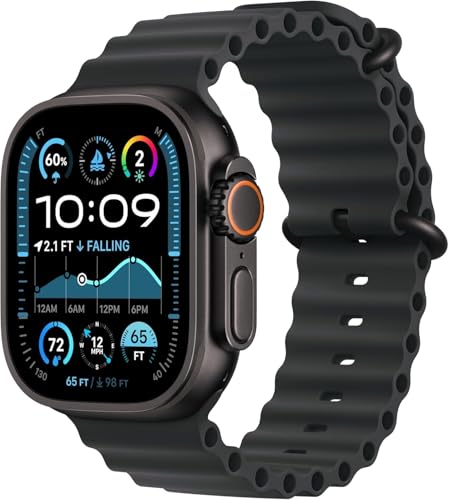
The Apple Watch Ultra 2 is a powerhouse for those who want a high-end smartwatch that happens to be an incredible swim tracker. Its dual-frequency GPS provides some of the most accurate tracking available, even in challenging conditions like choppy coastal waters. The bright display is exceptionally easy to read through goggles, even in direct sunlight.
This watch is the ideal companion for the athlete who transitions from a morning swim to a busy workday. While it carries a premium price tag, the integration of health metrics and smart notifications makes it a versatile daily driver. If you want a top-tier swim tracker that seamlessly handles your entire lifestyle, this is the clear choice.
Coros Pace 3: Best Lightweight GPS Experience
The Coros Pace 3 is a favorite among endurance athletes who prioritize weight and battery life above all else. It is remarkably light on the wrist, meaning you’ll barely notice it during a grueling two-hour open water session. The GPS accuracy is surprisingly robust for its price point, holding a signal well even when you’re pushing hard through waves.
This watch is perfect for swimmers who are budget-conscious but refuse to compromise on data quality. It is a no-nonsense, high-performance tool that focuses on what matters: your time, your distance, and your consistency. If you need a reliable, lightweight training partner that won’t break the bank, look no further.
Suunto Race S: Best Battery Life for Marathoners

For those training for long-distance marathon swims, battery life is the ultimate constraint. The Suunto Race S offers exceptional longevity, ensuring your watch doesn’t die halfway through a multi-hour adventure. Its crisp AMOLED display provides clear, high-contrast data, making it easy to check your stats during a quick breath.
This watch is designed for the endurance athlete who spends more time in the water than on land. It handles long, continuous GPS tracking without the anxiety of a low-battery warning. If your training involves long-distance endurance goals, this watch provides the reliability you need to focus on your stroke.
Polar Pacer Pro: Best for Advanced Data Metrics
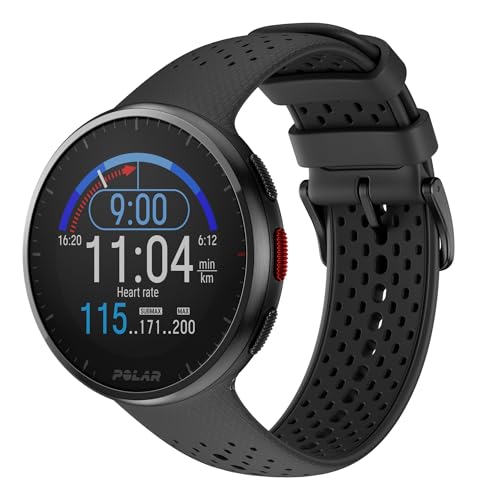
Polar has long been the gold standard for heart rate monitoring, and the Pacer Pro brings that expertise to the water. It provides deep insights into your training load and recovery, helping you understand how your swim sessions impact your overall fitness. The data visualization is excellent, allowing you to track your progress over weeks or months.
This watch is for the data-driven swimmer who wants to optimize their training intensity. It excels at breaking down your performance so you can adjust your effort levels for better results. If you are serious about data analytics and want to fine-tune your swim program, the Pacer Pro is an invaluable asset.
Garmin Fenix 7 Pro: Best Multisport Performance

The Garmin Fenix 7 Pro is for the athlete who does it all: swimming, cycling, running, and everything in between. Its build quality is rugged, and the GPS performance is top-tier, utilizing multi-band technology to ensure accuracy in even the most difficult environments. It is essentially a high-performance computer for your wrist.
This watch is overkill for someone who only swims, but it is the ultimate tool for the triathlete. It handles the transitions between disciplines with ease and provides a depth of data that is hard to match. If you are a multi-sport athlete who demands the absolute best in durability and tracking, this is your watch.
Essential Features to Check Before You Purchase
When shopping for a swim watch, prioritize GPS signal acquisition speed and water resistance ratings. You want a watch that can lock onto satellites quickly while you are standing on the shore, rather than waiting minutes for a signal. Additionally, ensure the watch is rated for at least 50 meters of water resistance (5 ATM) to handle the pressure of constant movement.
Consider the user interface as well, as touchscreens can be notoriously difficult to operate with wet hands or through fogged goggles. Physical buttons are often superior for starting, stopping, and marking laps while in the water. Always look for a device that allows you to customize your data screens so you can see your pace and distance at a glance.
Calibrating Your GPS for Open Water Accuracy
To get the most accurate data, always wait for a "GPS Ready" signal before you enter the water. If you start your watch while standing near tall buildings or dense foliage, the signal will be compromised from the start. Give the watch a moment to "soak" in the open sky to ensure it has a strong connection to multiple satellites.
Another pro tip is to tuck your watch hand into your swimsuit strap for a few seconds during your warm-up to ensure it has a clear view of the sky. When you swim, try to keep your arm recovery slightly higher; this allows the watch to stay above the water for a fraction of a second longer, which significantly improves signal stability. Consistent technique helps your watch provide consistent data.
Caring for Your Watch After Saltwater Exposure
Saltwater is incredibly corrosive and can degrade seals and buttons over time if left untreated. After every saltwater swim, you must rinse your watch thoroughly with fresh, lukewarm water. Do not use high-pressure hoses, as the force can push salt and grit into the sensors and buttons, potentially damaging the internal components.
Periodically, soak the watch in a bowl of fresh water for a few minutes to ensure all salt crystals are dissolved from the crevices. After rinsing, pat it dry with a soft, lint-free cloth and let it air dry in a well-ventilated area. Taking these two minutes to care for your gear will extend the life of your watch by years.
Finding the right GPS watch is about balancing your specific training needs with the realities of open water environments. Whether you prioritize battery life for long swims or deep data analytics for performance gains, there is a device here that will help you track your progress with confidence. Get out there, hit the water, and let your watch handle the navigation while you focus on the rhythm of your stroke.
