6 Best Swim Weights For Muscle Building For Athletes
Boost your aquatic training with our top 6 swim weights. Discover how these tools enhance resistance, build lean muscle, and improve overall athletic power.
Swimming is often viewed as a purely cardiovascular endeavor, but the water’s natural density offers a unique, low-impact environment for serious muscle hypertrophy. By integrating specialized resistance gear, athletes can turn a standard lap session into a high-intensity strength training circuit. This guide explores the best tools to help you harness the power of aquatic resistance to build a stronger, more explosive physique.
Disclosure: As an Amazon Associate, this site earns from qualifying purchases. Thank you!
Why Swim Weights Are Essential for Performance
Water provides a unique form of resistance known as isokinetic resistance, meaning the harder you push, the more resistance the water pushes back. Unlike land-based weights that rely on gravity, aquatic gear forces your muscles to work through the entire range of motion without the risk of heavy impact on your joints.
For athletes, this is a game-changer for injury prevention and muscle endurance. Incorporating weights allows for targeted strength gains that translate directly to improved swim speed and power, all while keeping your connective tissues healthy and resilient.
AquaJogger DeltaBells for Resistance Training
If you are looking for a versatile tool to build upper body strength, the AquaJogger DeltaBells are the gold standard. Their unique triangular shape is designed to move through the water with maximum drag, making them ideal for bicep curls, tricep extensions, and lateral raises in the shallow end.
These bells are perfect for athletes who want a multi-purpose tool that can transition from deep-water running to stationary strength sets. They are lightweight when dry but provide significant buoyancy and resistance once submerged. If you need a reliable, high-drag tool that won’t wear out after a few seasons, these are your best bet.
Speedo Aqua Fitness Dumbbells for Durability
Speedo is a household name for a reason, and their Aqua Fitness Dumbbells are built for the rigors of daily training. These dumbbells utilize closed-cell foam, which means they won’t absorb water or degrade over time, ensuring the resistance level remains consistent throughout your workout.
These are best suited for athletes who prioritize longevity and a comfortable grip during high-repetition sets. The ergonomic handles prevent hand fatigue, allowing you to focus purely on muscular contraction rather than struggling to keep your grip. If you want a no-nonsense, durable piece of equipment that handles chlorine exposure like a champ, look no further.
Hydro-Fit Wave Web Gloves for Upper Body Power
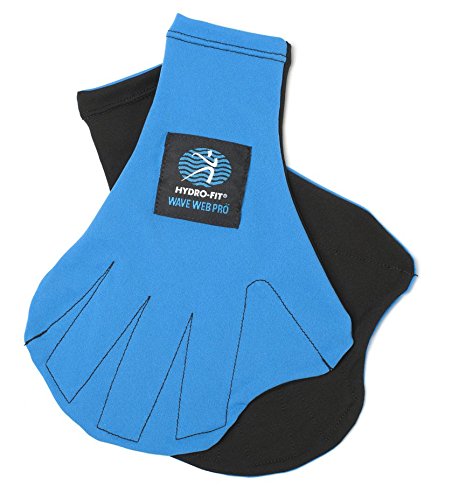

Sometimes, you don’t want a bulky dumbbell; you want the freedom of movement that webbed gloves provide. The Hydro-Fit Wave Web Gloves increase the surface area of your hands, effectively turning your palms into paddles to maximize resistance during every stroke.
These are excellent for swimmers who want to increase their "catch" and pull power without losing the tactile feel of the water. They are less about heavy lifting and more about developing explosive speed and muscular endurance in the shoulders and lats. If you are a competitive swimmer aiming to improve your underwater pull mechanics, these gloves are an essential addition to your kit.
Spri Aquatic Ankle Weights for Core Stability
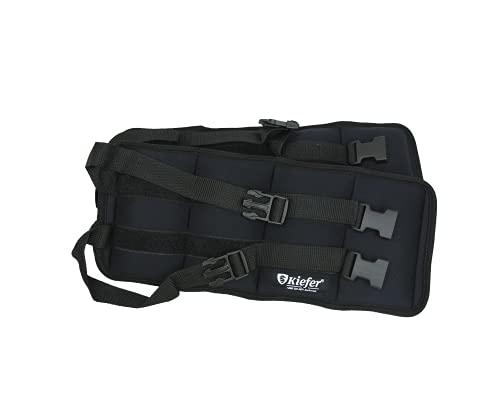
Core stability is the foundation of any athletic movement, and Spri Aquatic Ankle Weights are designed to force your midsection to compensate for the added load on your lower limbs. By adding weight to your ankles, you create a longer lever, which dramatically increases the demand on your obliques and lower back during flutter kicks or leg lifts.
These are ideal for athletes who struggle with sinking legs or those looking to turn a standard swim into a core-intensive workout. Because they are adjustable, you can scale the weight as you get stronger. If you are serious about building a rock-solid core that stabilizes your stroke, these ankle weights are the most effective tool in your arsenal.
TYR Aquatic Resistance Cuffs for Leg Strength
Build strength and endurance with this stationary swim trainer. The adjustable belt fits waists 27-40 inches and tethers to any stationary object, perfect for improving all swimming strokes.

TYR is synonymous with performance, and their resistance cuffs are specifically engineered for athletes who need to focus on lower-body power. Unlike traditional weights, these cuffs are designed to stay securely in place, allowing for a full range of motion during leg presses or hamstring curls in the water.
These are perfect for athletes recovering from lower-body injuries or those looking to isolate the quadriceps and glutes. The secure fastening system ensures they don’t slide off during intense, high-velocity movements. If you need a professional-grade solution for lower-body hypertrophy, these cuffs offer the best fit and performance.
Aquastrength Upper Body Bells for Athletes
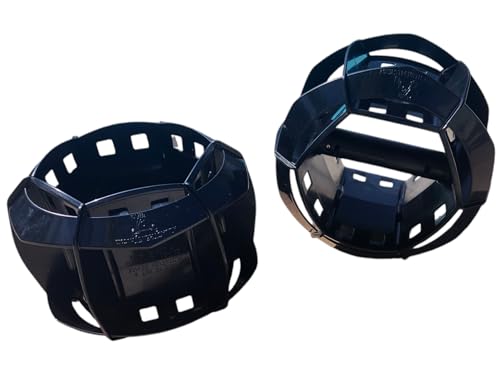
The Aquastrength Upper Body Bells are in a league of their own, designed specifically for the unique demands of high-performance aquatic training. Unlike foam bells, these utilize a hydrodynamic design that provides resistance in all directions, forcing your stabilizer muscles to work overtime.
These are best for advanced athletes who want to move beyond basic curls and incorporate functional, multi-planar movements into their routine. They offer a level of resistance that can challenge even the strongest gym-goers. If you are looking to take your aquatic training to a professional, sports-specific level, these bells are the ultimate investment.
Choosing the Right Weight for Your Swim Routine
Selecting the right equipment depends heavily on your specific goals and current fitness level. For hypertrophy, you want enough resistance to reach failure within 10 to 15 reps, while endurance training requires lighter gear with higher repetition counts.
Don’t fall into the trap of thinking "heavier is always better." In the water, resistance is dynamic; if you move too fast with too much weight, you may compromise your form and put unnecessary stress on your shoulders. Always start with lighter resistance and focus on perfect, controlled technique before scaling up.
Safety Tips for Using Resistance Gear in Water
Safety should always be your primary concern when introducing external resistance to an aquatic environment. Always ensure your gear is properly fitted; loose weights can shift suddenly, potentially causing a strain or distracting you during a set.
Furthermore, be mindful of your fatigue levels. Muscles tire faster in the water than you might expect, and it is easy to overexert yourself when you are supported by buoyancy. Always keep a clear path to the pool wall and never push to the point of total exhaustion where your ability to maintain buoyancy is compromised.
Maximizing Muscle Growth With Aquatic Training
To see real results, you must treat your aquatic sessions with the same structure as your land-based lifting. Implement a progressive overload strategy by gradually increasing the duration of your sets, the speed of your movements, or the resistance level of your gear.
Consistency is the secret ingredient to building muscle in the water. Aim for two to three dedicated resistance sessions per week, allowing for proper recovery between workouts. By pairing these sessions with a protein-rich diet and adequate rest, you will be surprised at how effectively you can build functional, lean muscle in the pool.
Building muscle in the water is a sophisticated way to train that rewards patience and technical precision. By choosing the right gear and focusing on controlled, high-quality movement, you can unlock a new level of athletic performance. Dive into your next workout with these tools and feel the difference that targeted aquatic resistance makes.