6 Best Tackle Vests For Anglers That Improve Organization
Boost your fishing efficiency with these 6 top-rated tackle vests. Discover gear designed to optimize storage, improve comfort, and keep essentials accessible.
There is nothing more frustrating than standing in the middle of a prime river run only to realize your favorite fly box is buried at the bottom of a bulky backpack. A well-organized tackle vest transforms your chaotic gear collection into a streamlined, wearable workstation that keeps you focused on the cast rather than the search. Investing in the right vest is the single most effective way to elevate your time on the water from a struggle to a flow state.
Disclosure: As an Amazon Associate, this site earns from qualifying purchases. Thank you!
Why Tackle Vests Improve Angling Efficiency
Efficiency on the water is measured by how quickly you can adapt to changing conditions, such as a sudden hatch or a shift in water depth. When your terminal tackle, nippers, and floatant are exactly where your muscle memory expects them to be, you spend less time fumbling and more time with your line in the water. A vest acts as a mobile command center, eliminating the need to wade back to shore or dig through a cumbersome bag.
Beyond sheer speed, these vests distribute weight across your shoulders and back, reducing the fatigue that inevitably sets in after a long day of wading. By keeping your essential tools close at hand, you maintain better balance and posture, which is crucial when navigating slippery, uneven riverbeds. Ultimately, a good vest isn’t just about storage; it’s about creating a seamless connection between you and the environment.
Simms G3 Guide Vest: The Professional Standard


If you are a serious angler who spends every available weekend on the water, the Simms G3 is the gold standard for durability and layout. It features an intuitive pocket configuration that swallows large fly boxes without feeling bulky, and the breathable fabric prevents that dreaded "sweaty back" feeling during summer sessions. The sheer number of attachment points for retractors and tippet spools makes it a favorite for those who refuse to compromise on gear accessibility.
This vest is an investment, but it is built to survive years of harsh UV exposure and salt spray. If you prioritize longevity and need a vest that can handle a heavy load of gear without sagging, the G3 is your best bet. It is the professional’s choice for a reason: it simply does not fail when the pressure is on.
Fishpond Sagebrush Mesh Vest: Best Ventilation
When you are fishing in high-temperature environments or humid climates, the Fishpond Sagebrush Mesh Vest is a lifesaver. The high-density mesh construction promotes maximum airflow, keeping your core temperature down even during the heat of mid-July afternoons. It maintains a surprisingly high storage capacity despite its lightweight design, proving that you don’t need heavy nylon to stay prepared.
This vest is ideal for the minimalist angler who wants to stay cool without sacrificing the ability to carry a full day’s worth of flies. If your biggest complaint about traditional vests is the heat they trap, the Sagebrush is the solution you have been waiting for. It’s a specialized tool that excels exactly where others falter.
Orvis Safe Passage Guide Vest: Storage King

The Orvis Safe Passage is designed for the angler who prefers to be prepared for every conceivable scenario, from dry fly fishing to heavy nymphing. With a massive array of interior and exterior pockets, it offers enough room to organize your entire collection of leaders, indicators, and fly boxes by category. The weight distribution is remarkably well-engineered, ensuring that even when fully loaded, the vest doesn’t pull on your neck.
If you are the type of person who likes a dedicated home for every single item, this is the vest for you. It is particularly well-suited for long-range backcountry trips where you cannot afford to leave any essential piece of gear behind. For the organized gear-junkie, the Safe Passage is the ultimate sanctuary for your tackle.
Allen Fall River Vest: Best Value Selection
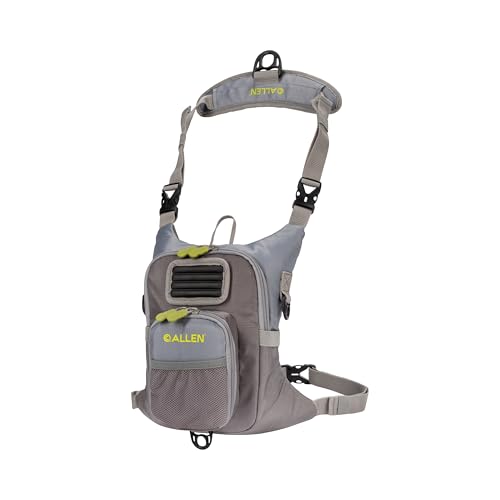
Not every angler needs a top-tier, professional-grade vest to have a successful day on the water. The Allen Fall River Vest offers a perfect balance of utility and affordability, providing all the basic features—ample pockets, a rod holder, and comfortable padding—at a fraction of the cost of premium models. It is rugged enough to withstand regular use and provides a sensible layout for the weekend warrior.
This is the perfect entry-point vest for those just getting into the sport or for anglers who prefer to spend their budget on high-quality rods and reels. You won’t get the high-end technical fabrics found on more expensive vests, but you will get a reliable, functional piece of gear that gets the job done. It is a smart, no-nonsense choice.
Redington Clark Fork Vest: Lightweight Design
The Redington Clark Fork is a masterclass in simplicity, focusing on a lightweight profile that feels like it disappears once you put it on. By stripping away unnecessary bells and whistles, Redington has created a vest that is incredibly comfortable for all-day wear. It provides just enough storage for the essentials, encouraging you to pack light and move fast.
This vest is ideal for stream-side fishing where mobility is more important than carrying your entire tackle collection. If you find that you usually return home with half the gear you brought, the Clark Fork will help you streamline your approach. It is an excellent choice for those who value freedom of movement above all else.
Patagonia Mesh Master II: Best Eco-Friendly
Patagonia’s commitment to the environment is reflected in the Mesh Master II, which uses recycled materials without sacrificing performance. The vest features a clever vertical pocket design that keeps your gear accessible while keeping the front profile slim to avoid snagging your fly line. It is a highly breathable, durable piece of equipment that aligns with the values of the modern, conservation-minded angler.
If you want gear that performs at a high level while minimizing your ecological footprint, this is the gold standard. It is built to last, which is the most sustainable choice an angler can make. This vest is for the conscious consumer who demands quality and environmental responsibility in equal measure.
Essential Gear to Keep in Your Tackle Vest
- Nippers and Retractors: Keep these attached to the outside for instant access when changing flies.
- Floatant and Desiccant: Always store these in an easy-to-reach outer pocket for quick fly maintenance.
- Leader and Tippet Spools: A dedicated tippet holder keeps your various diameters organized and tangle-free.
- Forceps/Hemostats: These are non-negotiable for safe hook removal and should be clipped to a high-access point.
- Small First-Aid Kit: A few bandages and antiseptic wipes are essential for minor stream-side nicks.
How to Properly Balance Your Vest Weight
The secret to a comfortable day on the water is balancing your load from left to right and top to bottom. Avoid the common mistake of overloading one side with heavy fly boxes, which can lead to shoulder strain and an uneven casting stance. Place your heaviest items, like large fly boxes, in the lower, central pockets to keep the center of gravity close to your body.
Always check your vest before you head out to ensure you haven’t accumulated "gear creep"—the tendency to add just one more box or gadget. If you find yourself constantly adjusting your vest, it is likely unbalanced or over-packed. A well-balanced vest should feel like a natural extension of your body, not an extra weight you are dragging along.
Maintaining Your Vest for Longevity and Use
To keep your vest in top shape, rinse it with fresh water after every trip, especially if you have been fishing in brackish or saltwater. Dirt and salt crystals act like sandpaper on zippers and fabric, leading to premature wear and failure. Hang your vest to air dry in a shaded area; direct sunlight can degrade synthetic fabrics and fade colors over time.
Periodically check your zippers for debris and apply a zipper lubricant if they start to feel sticky. Empty your pockets completely at the end of the season to ensure no damp flies or forgotten snacks are causing corrosion or attracting pests. A little bit of routine maintenance ensures that your gear is ready to go the moment the season opens.
Selecting the right tackle vest is about finding the perfect equilibrium between storage capacity, comfort, and your specific angling style. Whether you prioritize lightweight mobility or maximum organization, the right choice will undoubtedly make your time on the water more productive and enjoyable. Take the time to evaluate your gear needs, and you will find that a well-outfitted vest is the most reliable partner you can have on the stream.