

6 Best Fishing Boot Laces For Durability That Last Longer
Discover the top 6 durable fishing boot laces built to withstand harsh saltwater and wear. Learn which materials offer superior longevity for your next trip.
There is nothing more frustrating than having a lace snap while you are navigating slick river rocks or balancing on a swaying boat deck. Your boots are only as reliable as the strings holding them together, yet most stock laces fail long before the soles wear out. Investing in high-performance replacements ensures your focus stays on the catch rather than your gear.
Disclosure: As an Amazon Associate, this site earns from qualifying purchases. Thank you!
Why Durable Laces Matter for Angling Boots
When you are spending ten hours a day on the water, your boots undergo constant cycles of soaking and drying. This environment breaks down standard cotton or nylon fibers, leading to fraying and eventual snapping at the most inconvenient times. A broken lace mid-trip isn’t just an annoyance; it can be a genuine safety hazard if your boot loses its structural support on uneven terrain.
Durable laces provide consistent tension, which is vital for preventing blisters and maintaining proper circulation. When your laces maintain their integrity, your foot stays locked in the heel cup, reducing fatigue during long days of wading or casting. Upgrading your laces is the cheapest and most effective way to extend the functional life of your expensive fishing footwear.
Ironlace Industrial Strength: Best Overall
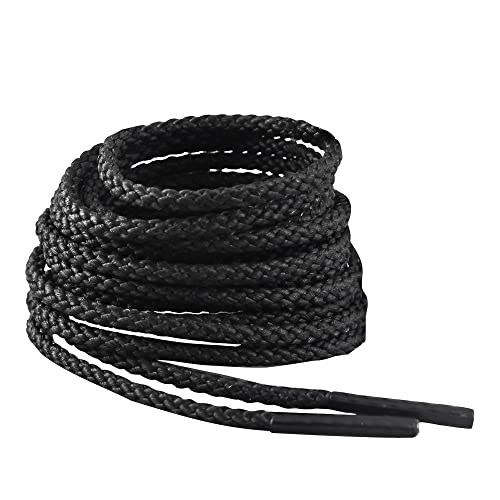

If you want a "set it and forget it" solution, Ironlace is the gold standard. These are engineered from high-tech fibers that are virtually indestructible, offering incredible tensile strength that stands up to salt, sand, and constant abrasion. They are designed for workers in harsh environments, making them a perfect crossover for the demanding life of an angler.
Because they are slightly stiffer than standard laces, they hold a knot exceptionally well without slipping. If you frequently fish in debris-heavy areas or rocky shorelines, these are the only laces you should consider. They are a definitive choice for the angler who prioritizes reliability above all else.
Rhino Laces Heavy Duty: Top Rugged Choice

Rhino Laces are built for those who treat their gear roughly. These laces feature a high-density weave that resists snagging on hooks, thorns, and sharp barnacles. They offer a great balance between flexibility and sheer durability, ensuring your boots feel comfortable while remaining secure.
I recommend these for anglers who spend time bushwhacking through brush to reach hidden streams. Their abrasion resistance is top-tier, and they don’t lose their shape even after repeated submersions. If you are hard on your gear, Rhino Laces will likely outlast the boots themselves.
Pisgah Range Kevlar Laces: Best for Rocks

When you are scrambling over jagged granite or limestone, your laces take a beating against the stone. Pisgah Range utilizes Kevlar, a material known for its extreme heat and cut resistance, to create a lace that thrives in high-friction environments. These are surprisingly thin, meaning they will fit through almost any eyelet system without a struggle.
They provide a secure, low-profile fit that won’t snag on loose rocks or vegetation. If your fishing style involves a lot of technical hiking or climbing to reach the water, these are your best bet. They are specialized, durable, and highly effective for rocky terrain.
Salomon Quicklace Kit: Best Speed System

Not everyone wants to deal with traditional knots, especially when your hands are cold or wet. The Salomon Quicklace system allows you to tighten your boots instantly with a simple pull-and-lock mechanism. It’s a game-changer for those who need to get their gear on and off quickly between different fishing spots.
While it is a departure from standard lacing, the convenience is unmatched. This system is ideal for anglers who prioritize efficiency and ease of use over traditional aesthetics. If you struggle with dexterity in cold weather, this system is a massive upgrade.
OXXA Kevlar Replacement: Best for Wetness
Water absorption is the enemy of lace longevity, as it leads to rot and weakened fibers. OXXA Kevlar laces are designed to repel moisture, ensuring they remain lightweight and strong even after being submerged for hours. They don’t become heavy or "mushy" like standard polyester laces.
This makes them an excellent choice for saltwater anglers who are constantly dealing with corrosive brine. By preventing salt crystals from embedding deep into the fibers, these laces maintain their flexibility over time. If you fish in wet, salty conditions, OXXA is a smart, high-performance investment.
Kiwi Round Boot Laces: Best Budget Option

Sometimes you just need a reliable, no-frills replacement that works better than the flimsy stock laces that came with your boots. Kiwi Round laces are widely available and offer a significant step up in durability over standard flat laces. They are easy to find and provide a solid, secure knot.
They aren’t as specialized as Kevlar or industrial-grade options, but they get the job done for casual weekend anglers. If you aren’t ready to invest in high-tech materials, these are the best value choice. They are a dependable, accessible option for everyday use.
Materials to Seek for Saltwater Fishing
When fishing in saltwater, you must avoid natural fibers like cotton, which will rot rapidly when exposed to salt and moisture. Instead, look for synthetic materials like aramid (Kevlar), nylon, or high-density polyester. These materials are inherently hydrophobic and resistant to the corrosive effects of salt.
Additionally, check that the tips (aglets) are reinforced. Saltwater can corrode cheap metal aglets, causing them to fall off and making it impossible to thread your laces. Opt for molded plastic or heat-sealed tips for the best results in marine environments.
Proper Lacing Techniques for Foot Support
How you lace your boots is just as important as the material you choose. Use a "heel lock" lacing technique—where you loop the lace through the top eyelet to create a small hole before tightening—to prevent your heel from lifting. This simple adjustment prevents blisters and keeps your foot stable on slippery surfaces.
For wading boots, avoid overtightening the lower section, as this can restrict blood flow and lead to cold feet. Focus your tension on the ankle and throat of the boot to provide support without causing discomfort. Proper lacing ensures the boots act as a natural extension of your foot.
Maintenance Tips to Extend Lace Lifespan
After a long day on the water, rinse your laces with fresh water to remove salt, silt, and sand. These particles act like sandpaper, wearing down the fibers of your laces from the inside out. Allowing them to air dry away from direct, high-heat sources will also prevent the material from becoming brittle.
If you notice a lace starting to fray, don’t wait for it to snap. Swap it out immediately to avoid being stranded in the middle of a trip. Carrying a spare set of laces in your tackle bag is a small insurance policy that every prepared angler should adopt.
Investing in the right laces is a small adjustment that pays massive dividends in comfort and safety. By selecting materials that match your specific fishing environment, you ensure your focus remains on the water rather than your feet. Choose the pair that fits your terrain, maintain them with a quick rinse, and you will never have to worry about a mid-trip gear failure again.
