

6 Best Boat Propeller Repair Kits for DIY Maintenance
Keep your vessel running smoothly with our top 6 DIY boat propeller repair kits. Learn how to fix minor damage easily and save on costly professional services.
There is nothing quite as jarring as that sickening metallic clunk when your propeller clips a hidden rock or submerged log during a weekend cruise. While a bent blade usually means a trip to the professional shop, minor nicks and gouges can often be managed right in your own garage. Mastering these basic repairs saves you time and money, keeping your boat on the water longer.
Disclosure: As an Amazon Associate, this site earns from qualifying purchases. Thank you!
Assessing Propeller Damage Before You Repair
Before you reach for the epoxy, you must determine if the damage is cosmetic or structural. Run your fingernail across any gouges; if it catches deeply, you have a stress riser that could lead to blade failure at high RPMs. Always check for cracks radiating from the hub, as these indicate metal fatigue that no DIY kit can safely resolve.
If the propeller is significantly bent, out of balance, or missing chunks of metal, do not attempt a repair. A propeller spinning at several thousand RPMs acts like a high-speed projectile, and an unbalanced blade will destroy your lower unit bearings over time. When in doubt, take it to a professional shop for a precision balance check.
Marine-Tex Epoxy: Best for Small Dents
Marine-Tex is the gold standard for filling those annoying surface nicks that accumulate over a season of shallow-water boating. It acts like a high-strength putty that bonds aggressively to metal, allowing you to build back the shape of a blade edge with surgical precision. Once cured, it is incredibly hard and can be sanded down to match the original factory profile.
This is the perfect choice for the weekend warrior dealing with minor cavitation erosion or light sand abrasion. It is not, however, a substitute for missing structural integrity on a high-speed performance prop. If you need to smooth out a rough edge to prevent further corrosion, Marine-Tex is your go-to solution.
Quicksilver Prop Repair: Best for Aluminum
Aluminum propellers are prone to soft-metal deformation, and Quicksilver’s repair solutions are specifically formulated to handle the unique thermal expansion of these alloys. This kit is designed for those who want a quick, reliable fix that won’t flake off when the water gets choppy. It provides a durable finish that resists the galvanic corrosion common in saltwater environments.
If you are running a standard aluminum prop on a fishing boat or pontoon, this is the most practical kit to keep in your emergency locker. It is straightforward, easy to apply, and offers the best balance of adhesion and longevity for aluminum surfaces. You won’t find a better match for the specific needs of standard aluminum blades.
3M Marine Adhesive: Best for Sealant Needs
Sometimes the issue isn’t the metal itself, but the fitment between the prop and the thrust washer or hub kit. 3M Marine Adhesive (specifically their 5200 series) provides a permanent, watertight seal that prevents water from migrating into the splines. While not a "filler" for blades, it is an essential component of a proper propeller maintenance kit.
Bond and seal your boat or RV with 3M Marine Adhesive Sealant 5200. This fast-curing, waterproof formula creates a permanent, flexible bond that withstands vibration and weathering, above or below the waterline.


Use this when you notice vibration caused by a loose fit or when you want to protect your shaft splines from corrosion. It is incredibly strong, so be aware that it makes removal difficult later; only use it where a permanent bond is intended. For sealing hub gaps, it is simply unbeatable.
Solas Propeller Tool: Best for Installation
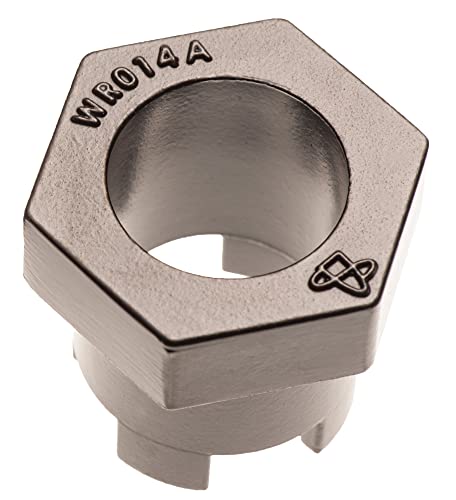
You cannot perform a quality repair if you don’t have the leverage to remove and reinstall the propeller correctly. The Solas Propeller Tool is a heavy-duty, multi-purpose wrench designed to fit most standard prop nuts without slipping. Using the wrong tool often leads to stripped nuts or damaged washers, turning a simple maintenance task into a mechanical headache.
This tool is a must-have for anyone who plans on doing their own prop swaps or inspections. Its ergonomic design allows for the precise torque required to seat the propeller properly on the shaft. Don’t gamble with adjustable wrenches; invest in a dedicated tool that protects your hardware.
Pacer Technology Marine Glue: Best Bonding
When you need a high-performance adhesive that sets quickly, Pacer Technology’s marine-grade offerings are the answer. This is ideal for small, non-structural aesthetic repairs where you need a bond that won’t shrink or crack under temperature fluctuations. It is particularly useful for sealing small pinholes or surface imperfections that don’t require a heavy-duty epoxy build-up.
This glue is for the detail-oriented boater who values a clean, finished look. It is easy to apply and dries clear or neutral, making it perfect for those final touch-ups after a larger repair. If you want a quick, reliable bond for minor surface issues, this is the product you want on your workbench.
J-B Weld MarineWeld: Best Structural Fix
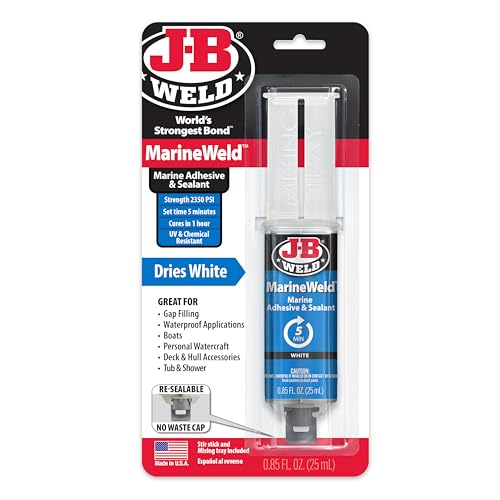
MarineWeld is the heavy hitter of the DIY world, capable of handling repairs that require actual structural strength. Because it is a two-part epoxy that cures into a steel-reinforced bond, it can bridge larger gaps and hold up under the vibration of a running outboard. It is the most robust option for filling deeper gouges that might otherwise compromise the integrity of the prop edge.
However, remember that "strong" does not mean "indestructible." While it is excellent for repairing damage, it should be used with the understanding that it is a temporary fix for a propeller that has seen better days. For those who need to get back on the water immediately, MarineWeld is the most dependable choice.
West System Epoxy: Best for Heavy Repairs

If you are comfortable with mixing resins and hardeners, West System Epoxy is the professional’s choice for serious repair work. By using their structural fillers, you can create a composite repair that is virtually as hard as the metal itself. It requires more patience and sanding than a pre-mixed putty, but the results are significantly more durable.
This is the right path for the experienced DIYer who wants a permanent, high-quality fix. It is overkill for a tiny nick, but it is the only way to properly address larger areas of missing material. If you have a high-end stainless steel prop that needs a bit of love, West System is the gold standard.
Essential Safety Gear for Propeller Work
- Cut-Resistant Gloves: Sharp propeller edges are essentially razor blades; always wear Kevlar-lined gloves.
- Eye Protection: When sanding epoxy or metal, debris will fly; keep your safety glasses on at all times.
- Respirator Mask: Epoxy fumes and metal dust are hazardous; ensure you are working in a well-ventilated area or wearing a proper mask.
- Propeller Block: Use a wooden block to wedge the blade during removal to prevent the prop from spinning and cutting your hands.
Testing Your Propeller After DIY Repairs
Once your repair has fully cured and you have sanded it to a smooth finish, the final step is a water test. Start at a low idle and gradually increase your speed, listening carefully for any new vibrations or unusual engine noise. If the boat feels sluggish or the engine sounds "off," pull the boat out immediately and re-inspect the prop.
Never assume a DIY repair is a permanent solution for a high-performance application. Always keep a spare, undamaged propeller on board during your first few outings after a repair. By monitoring your prop’s performance closely, you ensure that your DIY work keeps you safe and on the water all season long.
Maintaining your own propeller is a rewarding skill that deepens your connection to your vessel and keeps your summer plans on track. By choosing the right repair materials and prioritizing safety, you can easily handle minor damage without the downtime of a professional shop. Stay observant, keep your gear in top shape, and enjoy every moment on the water.

