

6 Best Marine Stereo Components For Custom Builds Pro Tips
Upgrade your marine audio with our expert guide. Discover the top 6 stereo components for custom builds and learn essential installation tips for peak sound.
There is nothing quite like the feeling of cruising across open water with your favorite playlist providing the perfect soundtrack to the day. Achieving that high-fidelity sound in a marine environment is a unique challenge that requires specialized gear and a strategic approach. This guide covers the essential components and pro tips to ensure your custom marine audio build sounds incredible for years to come.
Disclosure: As an Amazon Associate, this site earns from qualifying purchases. Thank you!
Designing Your Marine Audio System Layout
Before you spend a dime on equipment, you need to map out your vessel’s acoustics. Think about where your passengers spend the most time, whether it’s the bow seating, the helm, or the swim platform. Your layout should focus on creating a balanced soundstage that doesn’t overwhelm one area while leaving others in silence.
Consider the "zone" approach to your design. By utilizing separate zones, you can control the volume at the stern independently from the cockpit, which is a lifesaver when you want to keep the music loud for swimmers but quiet for those chatting at the helm. Always account for the natural obstacles on your boat, like consoles and storage compartments, which can block sound waves and degrade audio quality.
Fusion Apollo MS-RA770: Best Marine Head Unit


If you want the industry standard for connectivity and control, the Fusion Apollo MS-RA770 is your best bet. This unit is built for the modern boater who demands seamless integration with smartphones and multi-zone control through a sleek, glass-touch screen. Its built-in Wi-Fi allows for high-quality audio streaming that puts standard Bluetooth to shame.
I recommend this for anyone building a high-end system who wants a "set it and forget it" interface that withstands salt and spray. It isn’t the cheapest option, but the DSP (Digital Signal Processing) capabilities allow you to tune your speakers to your specific boat’s acoustics with ease. If you value reliability and a premium user experience, this head unit is the definitive choice.
JL Audio M6 Series: Top Marine Coaxial Speakers

When it comes to clarity, the JL Audio M6 series is in a league of its own. These speakers are engineered specifically to cut through the noise of wind and engine drone without sounding harsh or distorted. They provide a rich, full-range sound that feels balanced even when you’re cruising at higher speeds.
These are perfect for the boater who refuses to compromise on sound quality. While they require a significant investment, the durability of their materials—specifically the UV-resistant grilles and marine-grade cones—ensures they won’t fade or crack after a single season. If you want a professional-grade soundstage that makes your music feel alive, the M6 series is the gold standard.
Wet Sounds REVO 12 Subwoofer for Deep Bass
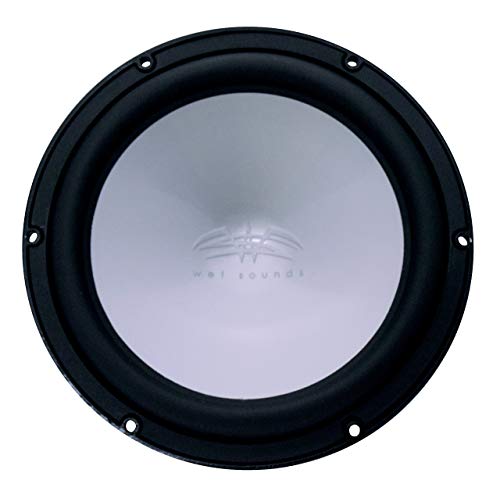
A marine system without a subwoofer is like a boat without an engine; it just doesn’t have the power to move you. The Wet Sounds REVO 12 is a beast that delivers deep, punchy bass that you can actually feel in your chest. It is designed to handle high excursion, meaning it pushes a massive amount of air to keep the bass tight even in open-air environments.
This sub is for the enthusiast who wants their boat to be the life of the cove. Be warned, however, that it requires a dedicated, high-powered amplifier to truly shine. If you have the space and the electrical capacity to support it, the REVO 12 is the ultimate addition for a powerful, immersive audio experience.
Rockford Fosgate M5 Series: Best Marine Amp

Your speakers are only as good as the power feeding them, and the Rockford Fosgate M5 series provides clean, consistent juice. These amplifiers are incredibly efficient, which is crucial for marine builds where battery life is a constant concern. Their compact footprint also makes them much easier to tuck away in tight console spaces.
I suggest the M5 series for anyone who wants a reliable backbone for their system. They are engineered to handle the thermal challenges of a boat, preventing the common "thermal shutdown" that plagues cheaper amps on hot summer days. If you want a system that plays loud and stays cool, this is the amplifier you need.
Kicker KM Series: Best Marine Tower Speakers
Tower speakers are essential for wakeboarders and those who spend their time at the swim platform. The Kicker KM series offers incredible projection, throwing sound long distances so the music stays clear even when you’re behind the boat. They are rugged, versatile, and designed to handle the constant vibration of a tower mount.
These are the go-to for active families who spend their weekends pulling tubers and skiers. The adjustable mounting systems make them compatible with almost any tower configuration. If you want your music to follow you into the water, these tower speakers are the most practical and effective solution on the market.
Selecting Quality Marine Grade Wiring Kits
Never cut corners on wiring; it is the most common point of failure in marine audio. You must use true marine-grade, tinned copper wire to prevent corrosion from the harsh, salty environment. Standard automotive wire will turn black and brittle within a season, leading to voltage drops and potential fire hazards.
Always use heat-shrink butt connectors and high-quality fuse blocks to protect your connections. Think of your wiring as the circulatory system of your audio setup; if the power can’t flow efficiently, your expensive components will never perform at their peak. Investing in a proper wiring kit might not be the most exciting part of the build, but it is the most important for longevity.

Proper Sealing for Marine Audio Components
Water is the enemy of electronics, and vibration is its accomplice. When mounting your speakers and subwoofers, use high-quality marine silicone to create a watertight seal between the speaker frame and the fiberglass. This not only keeps moisture out of your storage compartments but also ensures the speaker doesn’t rattle against the mounting surface.
Check your fasteners regularly, as the constant flexing of a boat hull can loosen even the tightest screws. Use stainless steel hardware exclusively to prevent rust streaks from marring your boat’s finish. A well-sealed installation is the difference between a system that lasts five years and one that needs replacing after two.
This stainless steel nuts and bolts kit provides a comprehensive assortment of Phillips pan and flat head screws in multiple SAE sizes. It includes matching nuts and washers, neatly organized in a double-sided storage box for easy access.

Tuning Your Amplifier for Peak Performance
Tuning isn’t just about turning the volume up; it’s about setting the gain structure to match your head unit’s output. If you set your gains too high, you’ll introduce distortion that will quickly burn out your voice coils. Use a multimeter or an oscilloscope to ensure your gains are set to the "sweet spot" where you get maximum volume without clipping.
Take the time to set your high-pass and low-pass filters correctly. You don’t want your small coaxial speakers trying to play deep bass notes, as this will lead to muddy sound and blown speakers. By sending the right frequencies to the right components, you’ll achieve a clean, professional sound that is balanced across the entire boat.
Maintenance Tips for Marine Audio Longevity
Treat your audio system like you treat your outboard engine—with regular care and attention. After every trip, especially in saltwater, give your speakers a light rinse with fresh water to remove salt residue that can corrode the grilles. Avoid using harsh chemicals or pressure washers, which can damage the delicate speaker cones and electronics.
During the off-season, keep your batteries on a tender and ensure your system is completely powered down. If you live in an area with freezing temperatures, consider removing the head unit if it’s easily accessible. These simple habits will prevent oxidation and ensure your gear is ready to go the moment the sun comes out next season.
Building a custom marine audio system is a rewarding project that transforms your time on the water into a premium sensory experience. By focusing on high-quality, marine-specific components and paying attention to the details of installation, you ensure your investment remains reliable and loud. Now, it is time to get out there, dial in your settings, and enjoy the perfect soundtrack for your next adventure.
